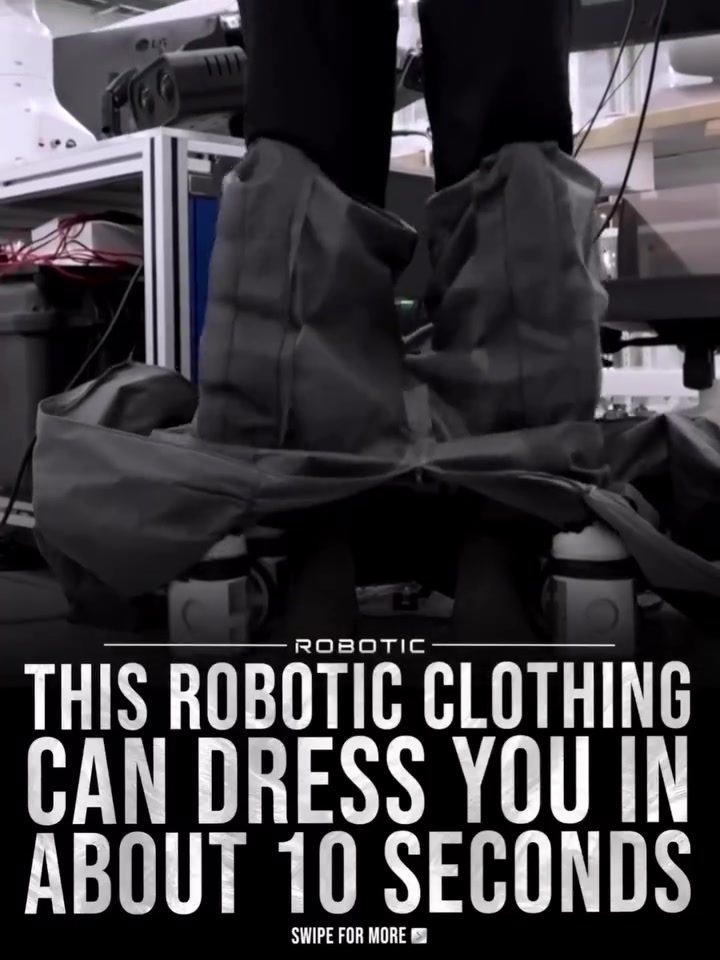
Robotic clothing that can dress you automatically is here. Researchers from KAIST and Stanford University have developed a revolutionary system that uses soft, air-powered "vine robots" embedded in the fabric. These robots, inspired by climbing ivy, grow from their tips and guide the clothing around the body, even while the wearer is moving. This innovative technology can reportedly put on a full suit in about 10 seconds without needing complex AI controls or requiring the wearer to stand still.
Why Robotic Clothing Matters
The potential applications for this robotic clothing are vast and impactful. For elderly individuals and those with disabilities, the ability to put on clothes without assistance could greatly enhance independence and quality of life. This technology could also benefit professionals who need to quickly don protective gear, such as cleanroom workers, firefighters, and emergency responders. The speed and ease of use could be lifesaving in critical situations.
How the Robotic Clothing System Works
The system is designed to mimic the growth patterns of climbing ivy. The soft, air-powered "vine robots" are embedded within the fabric, allowing the clothing to conform to the wearer's body effortlessly. These robots extend from their tips, guiding the fabric along the contours of the body. This process is automated, eliminating the need for manual adjustments or assistance. The entire process takes only about 10 seconds, making it incredibly efficient.
The Inspiration Behind the Technology
The idea for this robotic clothing originated from a simple yet insightful experience. Researcher Kim Nam-kyun was riding a bicycle when it started to rain. Unable to use both hands, he thought it would be helpful if a raincoat could be put on automatically. This moment of inspiration led to the development of a system that could revolutionize how we think about wearable technology.
Practical Applications and Benefits
Everyday Use
For individuals with mobility challenges, the ability to put on clothes independently can be a game-changer. This technology could provide a new level of autonomy, allowing users to dress themselves without assistance. Similarly, for busy professionals, the convenience of quickly and easily donning protective gear could save valuable time and increase efficiency.
Professional Applications
Cleanroom workers, firefighters, and emergency responders often need to put on protective gear quickly and efficiently. This robotic clothing system can significantly reduce the time it takes to get dressed, allowing professionals to respond to emergencies faster and more effectively. The ease of use could also help reduce errors and ensure that protective gear is worn correctly.
Important Takeaways
- Robotic clothing that can automatically wrap around the wearer is a breakthrough in wearable technology.
- The system uses soft, air-powered "vine robots" embedded in the fabric, inspired by climbing ivy.
- The clothing can be put on in about 10 seconds without complex AI controls or requiring the wearer to stand still.
- This technology has significant potential for elderly individuals, those with disabilities, and professionals who need to quickly don protective gear.
Conclusion
The robotic clothing system developed by researchers from KAIST and Stanford University represents a significant advancement in wearable technology. By automating the process of dressing, this innovation offers practical benefits for a wide range of users, from those with mobility challenges to professionals in high-stakes fields. The potential applications are vast, and as the technology continues to develop, it could transform how we think about clothing and personal protective equipment. The future of wearable technology is here, and it's automated.
Watch the Reel
Questions readers ask
How does the automatic dressing system developed by KAIST and Stanford work?
The system uses soft, air-powered 'vine robots' that are embedded within the fabric. These robots grow from their tips, mimicking the movement of climbing ivy, and guide the clothing around the body, even if the wearer is moving. The process is designed to put on a full suit in approximately 10 seconds.
What makes the robotic clothing developed by KAIST and Stanford unique?
The uniqueness of this technology lies in its use of soft, air-powered robots that do not require complex AI controls or the wearer to remain still. This hands-free dressing method is inspired by nature, specifically the growth pattern of climbing ivy, and it offers a novel approach to wearable technology.
Who can benefit from this innovative wearable tech?
The primary beneficiaries of this technology are elderly individuals and those with disabilities. By enabling automatic dressing, it can significantly enhance their independence and improve their daily life experiences.
How quickly can the robotic clothing dress a person?
The system is designed to put on a full suit in about 10 seconds. This speed is achieved through the efficient movement of the air-powered 'vine robots' that guide the fabric around the body without requiring the wearer to stand still.
What are 'vine robots' and how do they contribute to the dressing process?
'Vine robots' are soft, air-powered mechanisms embedded in the fabric of the robotic clothing. They are inspired by climbing ivy and grow from their tips to maneuver the clothing around the body. These robots play a crucial role in the automatic dressing process by ensuring the fabric moves smoothly and efficiently.
Why is the robot dressing clothing technology significant for the future of dressing?
This technology represents a significant advancement in wearable tech, offering a convenient and efficient way to dress. It has the potential to revolutionize how people, especially those with mobility challenges, interact with clothing, making the process more accessible and less physically demanding.
Does the KAIST and Stanford robotic clothing technology require the wearer to be stationary while dressing?
No, the system is designed to work even if the wearer is moving. The air-powered 'vine robots' are capable of guiding the fabric around the body dynamically, ensuring that the wearer does not need to remain still during the dressing process.
Related deep dives
Similar reads based on topic and creator.



Recent articles
Fresh deep dives from the latest Reels we unpacked.




Comments
Be the first to comment.