Automated Sorting Machines: Revolutionizing Industrial Processes
Automated sorting machines have become a cornerstone in modern industrial processes, significantly enhancing efficiency and precision. These machines utilize advanced pneumatic mechanisms to automate sorting tasks, reducing the need for manual intervention and ensuring consistent performance.
Why This Matters
In today's fast-paced industrial landscape, the ability to sort and organize parts quickly and accurately is crucial. Automated sorting machines excel in environments where precision and speed are paramount, such as laser and profile cutting machine beds. By using controlled air pressure, these machines can remove slag and other debris automatically, keeping the machine clean and operational.
The Role of Pneumatic Mechanisms
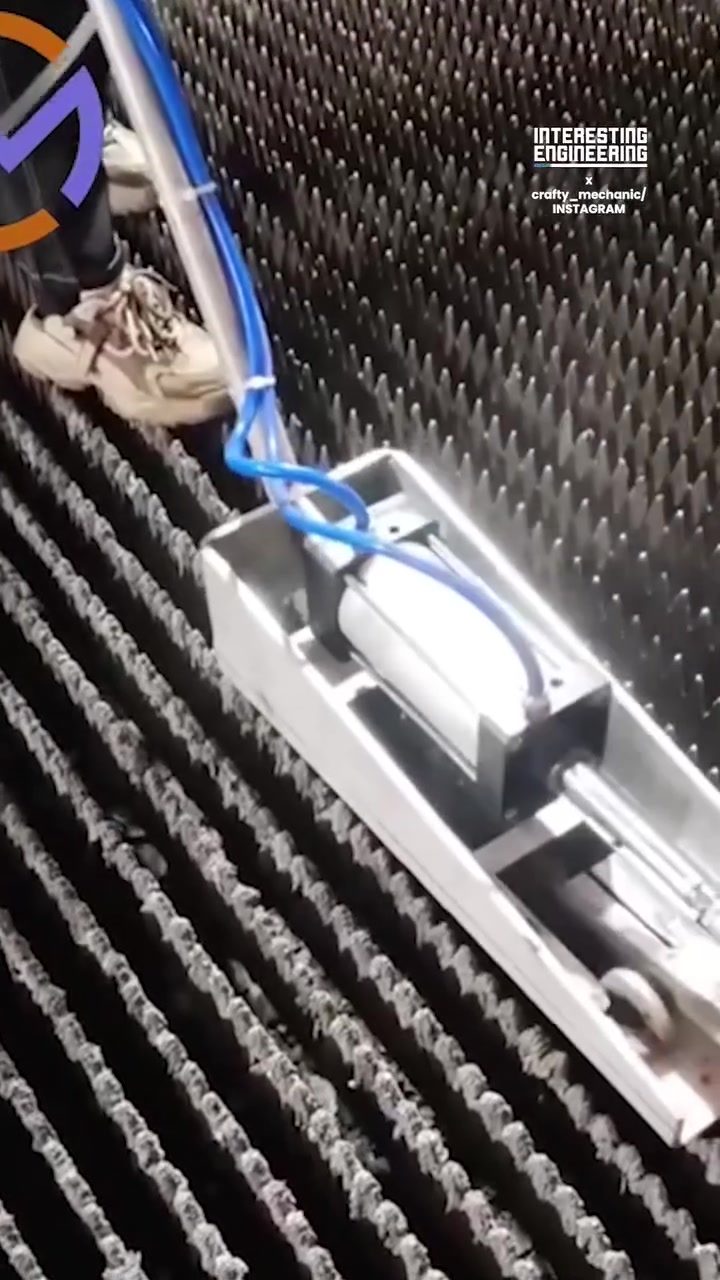
Pneumatic mechanisms are at the heart of many automated sorting systems. These mechanisms use compressed air to generate controlled pressure, which can be harnessed to move, sort, and clean parts effectively. For instance, the pneumatic mechanism described in the caption efficiently removes slag from laser and profile cutting machine beds. This not only keeps the machines clean but also ensures they run smoothly, reducing downtime and maintenance costs.
Key Components of Automated Sorting Machines
Automated sorting machines often consist of several key components that work together to achieve their goals. These include:
Robotic Arms
Robotic arms are essential for the precise movement of objects within the sorting system. They can handle delicate tasks with high accuracy, making them ideal for sorting small parts. The robotic arm seen in the visual summary manipulates objects across a dense grid of pins, demonstrating the machine's sorting capabilities.
Grid of Pins
A dense grid of pins is a common feature in automated sorting machines. This grid helps to organize and sort parts by providing a structured surface for the robotic arm to maneuver. The grid of pins allows for precise placement and movement of objects, ensuring that parts are sorted accurately and efficiently.
Automated Sorting Capabilities
The automated sorting mechanism itself is designed to handle various sorting tasks without manual intervention. This system can quickly and accurately sort parts based on specific criteria, such as size, shape, or material. The automated nature of these machines reduces the risk of human error and increases overall productivity.
Practical Tips for Implementation
When considering the implementation of an automated sorting machine, there are several practical tips to keep in mind:
Assess Your Needs
Before investing in an automated sorting machine, assess your specific needs. Determine the types of parts you need to sort, the volume of sorting required, and the level of precision needed. This will help you choose the right machine for your application.
Consider Integration
Ensure that the sorting machine can be seamlessly integrated into your existing workflow. Compatibility with other equipment and software is crucial for maximizing efficiency. Look for machines that offer customizable settings and easy integration options.
Maintenance and Support
Regular maintenance is essential for keeping automated sorting machines in optimal working condition. Choose a machine that comes with reliable maintenance support and easy-to-follow maintenance guidelines. This will help you minimize downtime and extend the lifespan of your equipment.
Important Takeaways
The use of automated sorting machines brings numerous benefits to industrial processes, including:
- Increased Efficiency: Automated sorting machines can handle large volumes of parts quickly and accurately, significantly increasing overall efficiency.
- Consistent Performance: By using controlled air pressure and precise robotics, these machines can maintain consistent performance, reducing the risk of human error.
- Reduced Maintenance: Automated mechanisms keep the machine clean and operational, minimizing the need for manual intervention and reducing maintenance costs.
- Versatility: Automated sorting machines can be customized to handle a variety of sorting tasks, making them versatile tools for different industrial applications.
Conclusion
Automated sorting machines, with their advanced pneumatic mechanisms and precise robotic systems, are transforming industrial processes. By automating sorting tasks, these machines enhance efficiency, precision, and overall productivity. Whether you are involved in laser cutting, profile cutting, or other industrial applications, investing in an automated sorting machine can provide significant benefits.
Watch the Reel
Questions readers ask
How do automated sorting machines improve productivity in industrial settings?
Automated sorting machines significantly boost productivity by automating repetitive tasks, which allows human workers to focus on more complex activities. They operate with high precision and speed, ensuring tasks are completed efficiently and consistently. This reduces downtime and increases overall output in industries like laser and profile cutting, which rely on clean and operational machines.
What are pneumatic sorting mechanisms and how do they work?
Pneumatic sorting mechanisms use controlled air pressure to move and sort items. In industrial settings, they often employ robotic arms and grids of pins to handle tasks with high precision. By leveraging air pressure, these mechanisms can quickly and efficiently sort materials, such as removing slag from laser and profile cutting machines, keeping them clean and operational.
Can automated sorting machines be used for automatic slag removal?
Yes, automated sorting machines are highly effective for automatic slag removal. By employing pneumatic mechanisms, they can remove debris and slag from machine beds, such as laser and profile cutting machines. This keeps the machines clean and operational, reducing the need for manual intervention and ensuring consistent performance.
How do robotic sorting machines enhance industrial efficiency?
Robotic sorting machines enhance industrial efficiency by automating sorting tasks with high precision and speed. They can handle a variety of materials and tasks, reducing the need for manual labor. In environments like laser and profile cutting, robotic sorting machines can keep the machine beds clean, ensuring optimal performance and minimizing downtime.
What are the benefits of using air pressure sorting in industrial environments?
Air pressure sorting offers several benefits in industrial environments. It enables quick and efficient sorting of materials, reduces the need for manual labor, and improves overall productivity. In settings like laser and profile cutting, air pressure sorting helps maintain clean and operational machine beds by automatically removing debris and slag.
How do automated sorting machines contribute to the maintenance of laser and profile cutting machines?
Automated sorting machines contribute to the maintenance of laser and profile cutting machines by keeping their beds clean. Using pneumatic mechanisms, they can automatically remove slag and other debris, ensuring the machines operate efficiently. This reduces the need for manual cleaning and helps maintain the machines' performance, lowering downtime and extending their lifespan.
Related deep dives
Similar reads based on topic and creator.


Recent articles
Fresh deep dives from the latest Reels we unpacked.




Comments
Be the first to comment.