Hay Feeder Automation
Automated hay feeders are revolutionizing stable management by reducing labor and enhancing the environment for horses. These systems are designed to distribute hay evenly, minimizing waste and ensuring that horses have consistent access to feed.
Why This Matters
Stable management is a labor-intensive task, especially when it comes to feeding and maintaining cleanliness. Automated hay feeders address these challenges by providing a more efficient and less time-consuming solution. This not only benefits the horses, who receive a steady supply of clean hay, but also the stable managers, who can focus on other essential tasks. Additionally, automated systems can help reduce hay waste, which is a significant cost for any stable.
Main Discussion
The Benefits of Automated Hay Feeders
Automated hay feeders offer several key benefits. The primary advantage is the reduction of labor. These systems can distribute hay to multiple stalls without manual intervention, freeing up time for stable managers. This is particularly useful in large stables where manual feeding can be time-consuming.
Another crucial benefit is the reduction of hay waste. Traditional feeding methods often result in hay being scattered and wasted. Automated systems, however, distribute hay evenly, ensuring that each horse gets the right amount of feed with minimal waste. This can lead to significant savings over time, as hay is a substantial cost for any stable.
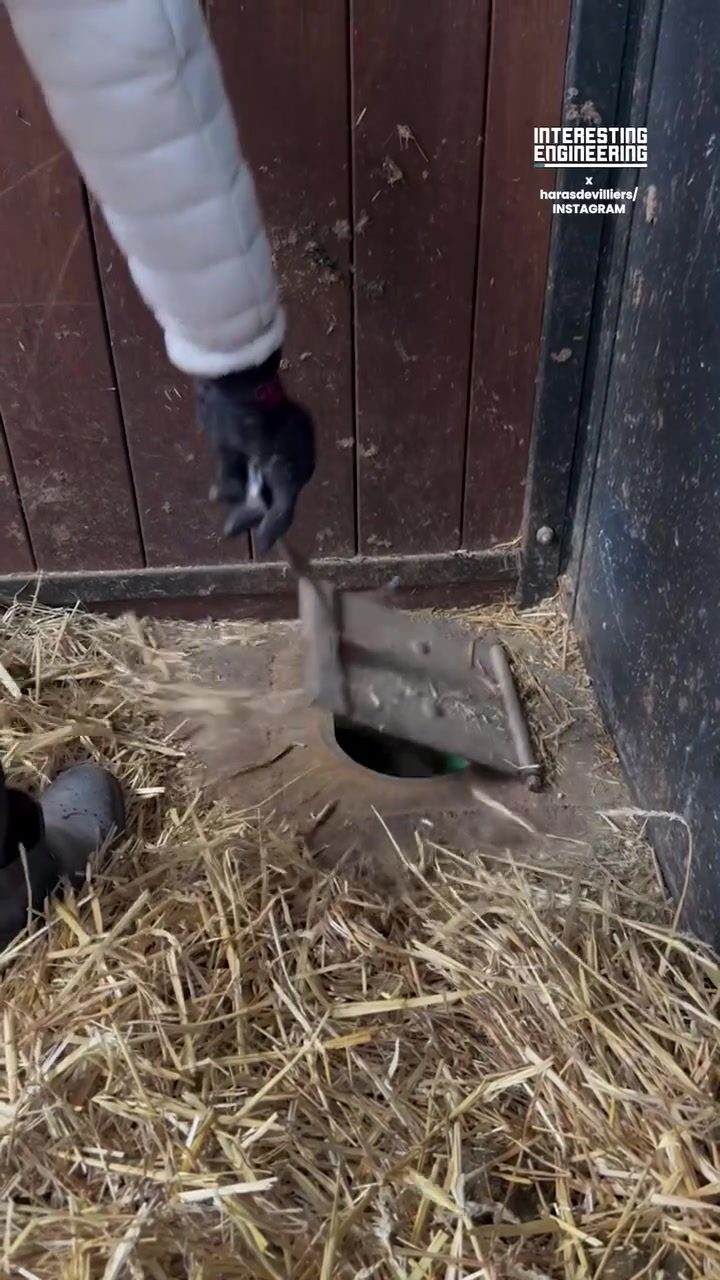
Additionally, automated hay feeders contribute to a cleaner environment. These systems often come with features that suck out dirty bedding directly from each stall, reducing the need for manual cleaning. This not only saves labor but also creates a more hygienic environment for the horses.
How Automated Hay Feeders Work
Most automated hay feeders use a robotic arm to push hay into troughs. The system is typically mounted on a stable wall and designed to distribute hay evenly across multiple stalls. The automated system can be programmed to dispense hay at specific times, ensuring that horses have consistent access to feed.
Some advanced systems also incorporate sensors that monitor hay levels and adjust the distribution accordingly. This ensures that each horse receives the right amount of feed, reducing waste and potential overfeeding.
Installation and Maintenance
Installing an automated hay feeder system involves mounting the device on a stable wall and ensuring that it is properly connected to a power source. The setup process can vary depending on the specific model, but most systems come with detailed instructions to guide users through the installation.
Maintenance is generally minimal, with regular checks to ensure that the robotic arm and sensors are functioning correctly. Cleaning is also straightforward, with most systems designed for easy access and maintenance.
Practical Tips
Choosing the Right System
When selecting an automated hay feeder, consider the size of your stable and the number of stalls. Some systems are designed for smaller stables, while others can handle larger operations. Additionally, look for systems with adjustable settings to accommodate different feeding schedules and hay types.
Integration with Other Systems
Automated hay feeders can be integrated with other stable management systems, such as automated watering systems and ventilation controls. This can create a more cohesive and efficient stable environment, further reducing labor and enhancing overall management.
Training and Support
Many manufacturers offer training and support to help stable managers get the most out of their automated hay feeder. Take advantage of these resources to ensure proper installation, maintenance, and operation.
Important Takeaways
Labor Savings
Automated hay feeders can significantly reduce the amount of labor required for stable management. By automating the feeding process, stable managers can focus on other essential tasks, improving overall efficiency.
Reduced Waste
One of the primary benefits of automated hay feeders is the reduction of hay waste. By distributing hay evenly and consistently, these systems help minimize waste, leading to cost savings over time.
Cleaner Environment
Automated systems that suck out dirty bedding directly from each stall contribute to a cleaner and more hygienic environment. This not only benefits the horses but also makes the stable a more pleasant place for managers and visitors.
Conclusion
Automated hay feeders are a game-changer for stable management. By reducing labor, minimizing waste, and creating a cleaner environment, these systems offer numerous benefits for both horses and stable managers. Whether you run a small stable or a large operation, investing in an automated hay feeder can lead to significant improvements in efficiency and cost savings.
Watch the Reel
Questions readers ask
How do automated hay feeders improve horse care?
Automated hay feeders improve horse care by providing a consistent and steady supply of hay, ensuring that horses are fed evenly throughout the day. This consistency helps maintain horses' digestion and overall health, as it prevents overeating or undereating.
What are the benefits of using an automated hay feeder for stable management?
Automated hay feeders reduce the labor required for feeding and cleaning stables by automating the distribution of hay. This saves time for stable managers and ensures that horses are fed even when hands-on assistance is not available, making the stable environment cleaner and reducing waste.
How do automated hay feeders help in reducing hay waste?
Automated hay feeders help in reducing hay waste by distributing precise portions of hay to each horse. This minimizes overfeeding and ensures that hay is not trampled or soaked, which can occur with manual feeding methods, leading to less wasted hay.
Can automated hay feeders be integrated into existing stable infrastructure?
Yes, automated hay feeders can often be integrated into existing stable infrastructure with minimal modifications. Many systems are designed to be flexible and can be customized to fit different types of stables and feeding schedules, making them a practical addition to most stable setups.
What are the main features to look for in an automated hay feeder?
Key features to look for in an automated hay feeder include consistent portion control, ease of use and adjustment, durability, and a reliable power source. Additionally, features like timers, adjustable feed times, and remote control options can enhance the convenience and efficiency of the automated feeder.
How do automated hay feeders contribute to a cleaner stable environment?
Automated hay feeders contribute to a cleaner stable environment by reducing the amount of hay that is trampled and wasted. This leads to less mess in the stables, making it easier to maintain cleanliness and reducing the need for frequent cleanings, which in turn saves labor and promotes a healthier environment for the horses.
Can automated hay feeders accommodate different types of hay?
Yes, most automated hay feeders can accommodate different types of hay, including square bales, round bales, and loose hay. It's important to choose a feeder that is compatible with the type of hay you use and can handle the specific requirements of your stable's feeding routine. Always check the product specifications to ensure compatibility.
Related deep dives
Similar reads based on topic and creator.


Recent articles
Fresh deep dives from the latest Reels we unpacked.




Comments
Be the first to comment.