Glass Bottle Manufacturing: The Art of Precision
Glass bottle manufacturing is a fascinating process that combines artistry and technology to produce precise, consistent packaging for various products, including perfumes. This process is essential for industries that rely on high-quality, aesthetically pleasing containers.
Context: The Importance of Glass Bottle Manufacturing
Glass bottle manufacturing matters for several reasons. First, glass is a durable and recyclable material, making it an eco-friendly choice for packaging. Second, glass bottles provide a premium look and feel, which is crucial for luxury products like perfumes. Third, the automated manufacturing process ensures consistency and precision in bottle shapes and sizes, which is vital for branding and product recognition.
Main Discussion
The Role of Molten Glass
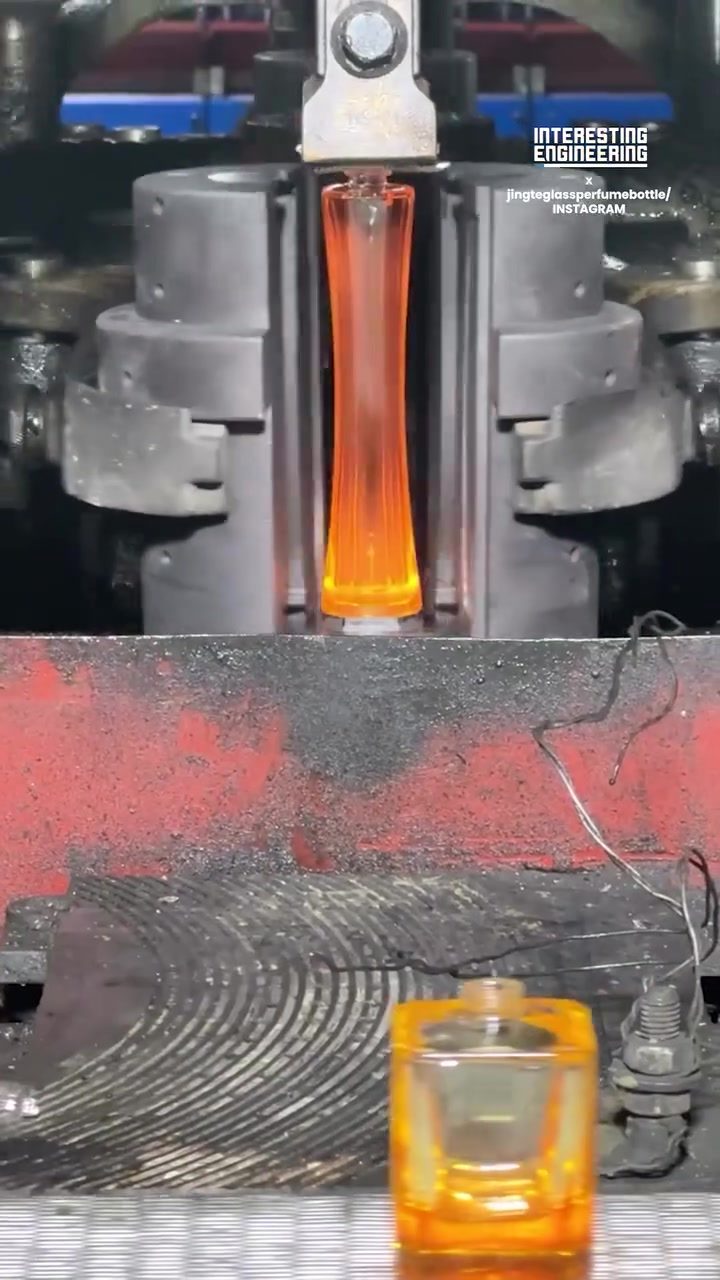
The foundation of glass bottle manufacturing is molten glass. This molten material is the starting point for creating precise and uniform shapes. By forming molten glass inside molds, manufacturers can achieve consistent shapes and sizes, which is essential for maintaining brand identity and ensuring a perfect fit for the product inside.
Precision and Consistency
Precision and consistency are paramount in glass bottle manufacturing. Automated processes ensure that each bottle meets exact specifications, from the shape and size to the thickness of the glass. This level of precision is achieved through the use of advanced machinery and molds that precisely shape the molten glass. The automated process also ensures that the bottles are cooled and handled efficiently, maintaining their quality and integrity.
High-Speed, Automated Production
One of the key features of modern glass bottle manufacturing is the high-speed, automated production line. Robotic arms are used to handle and cool the bottles, ensuring that the process is both efficient and consistent. This automation reduces the likelihood of human error and increases the overall production rate, allowing manufacturers to meet high demand efficiently.
The Molding Process
The molding process is a critical step in glass bottle manufacturing. Molten glass is precisely shaped within a machine using molds. This ensures that the bottles produced are consistent in shape and size, which is vital for maintaining the aesthetic appeal and functionality of the product. The molds are designed to create the desired shape and can be adjusted to produce different sizes and styles of bottles.
Practical Tips
If you are involved in the glass bottle manufacturing industry, here are some practical tips to enhance your production process:
-
Invest in High-Quality Molds: High-quality molds are essential for producing consistent and precise shapes. Ensure that your molds are well-designed and maintained to avoid any defects in the final product.
-
Use Advanced Machinery: Advanced machinery can significantly improve the efficiency and precision of the manufacturing process. Consider investing in state-of-the-art equipment that can handle and cool the bottles efficiently.
-
Implement Robotic Automation: Robotic automation can increase production speed and consistency. Robotic arms can handle the bottles with precision, reducing the risk of breakage and ensuring consistent cooling.
-
Maintain Quality Control: Regular quality control checks are essential to ensure that the bottles meet the required specifications. Implement a robust quality control system to monitor the production process and identify any potential issues early.
-
Embrace Sustainability: Glass is a recyclable material, making it an eco-friendly choice for packaging. Emphasize the recyclability of your glass bottles and consider using recycled glass in your manufacturing process to reduce your environmental impact.
Important Takeaways
The glass bottle manufacturing process is a blend of art and science, requiring precision and consistency to produce high-quality packaging. By using advanced machinery, automated processes, and high-quality molds, manufacturers can ensure that their bottles meet exact specifications and maintain brand identity. The use of molten glass and robotic arms further enhances the efficiency and precision of the process, making it an essential component of the manufacturing industry.
Conclusion
Glass bottle manufacturing is a critical process that combines technology and artistry to produce precise, consistent, and aesthetically pleasing packaging. The use of automated processes, high-quality molds, and advanced machinery ensures that the bottles meet exact specifications and maintain the brand's identity. By embracing these practices, manufacturers can produce high-quality glass bottles that meet the demands of the market while promoting sustainability.
Watch the Reel
Questions readers ask
How does the automated glass perfume bottle manufacturing process work?
The automated glass perfume bottle manufacturing process involves melting glass at high temperatures to create molten glass. This molten glass is then shaped into bottles using advanced machinery and high-speed automation. The process ensures precise and consistent bottle production, maintaining brand identity and product recognition.
What are the benefits of using automated glass container making for perfume bottles?
Automated glass container making for perfume bottles offers several benefits. These include high-speed production, reducing errors, and enhancing productivity. Additionally, it ensures consistency in bottle shapes and sizes, which is crucial for maintaining brand identity and product recognition.
Why is glass a preferred material for perfume bottles?
Glass is a preferred material for perfume bottles due to its durability, recyclability, and the premium look and feel it provides. It is an eco-friendly choice for packaging and ensures consistent bottle production, which is vital for luxury products like perfumes.
How does the automated glass bottle process maintain brand identity?
The automated glass bottle process maintains brand identity by ensuring precision and consistency in bottle shapes and sizes. This consistency is crucial for branding and product recognition, as it allows manufacturers to create high-quality, aesthetically pleasing containers that align with their brand's image.
What role does high-speed automation play in glass bottle production?
High-speed automation plays a significant role in glass bottle production by reducing errors and enhancing productivity. It allows for the efficient and precise formation of glass bottles, ensuring that each bottle meets the required specifications and maintains the brand's quality standards.
How does the automated glass bottle manufacturing process contribute to eco-friendliness?
The automated glass bottle manufacturing process contributes to eco-friendliness by using recyclable materials. Glass is a durable and recyclable material, making it an eco-friendly choice for packaging. This helps in reducing waste and promoting sustainability in the manufacturing process.
What is the significance of precision in glass perfume bottle manufacturing?
Precision in glass perfume bottle manufacturing is crucial for maintaining consistency in bottle shapes and sizes, which is vital for branding and product recognition. It allows for the creation of high-quality, aesthetically pleasing containers that align with the brand's image and provide a premium feel for luxury products.
Related deep dives
Similar reads based on topic and creator.


Recent articles
Fresh deep dives from the latest Reels we unpacked.




Comments
Be the first to comment.