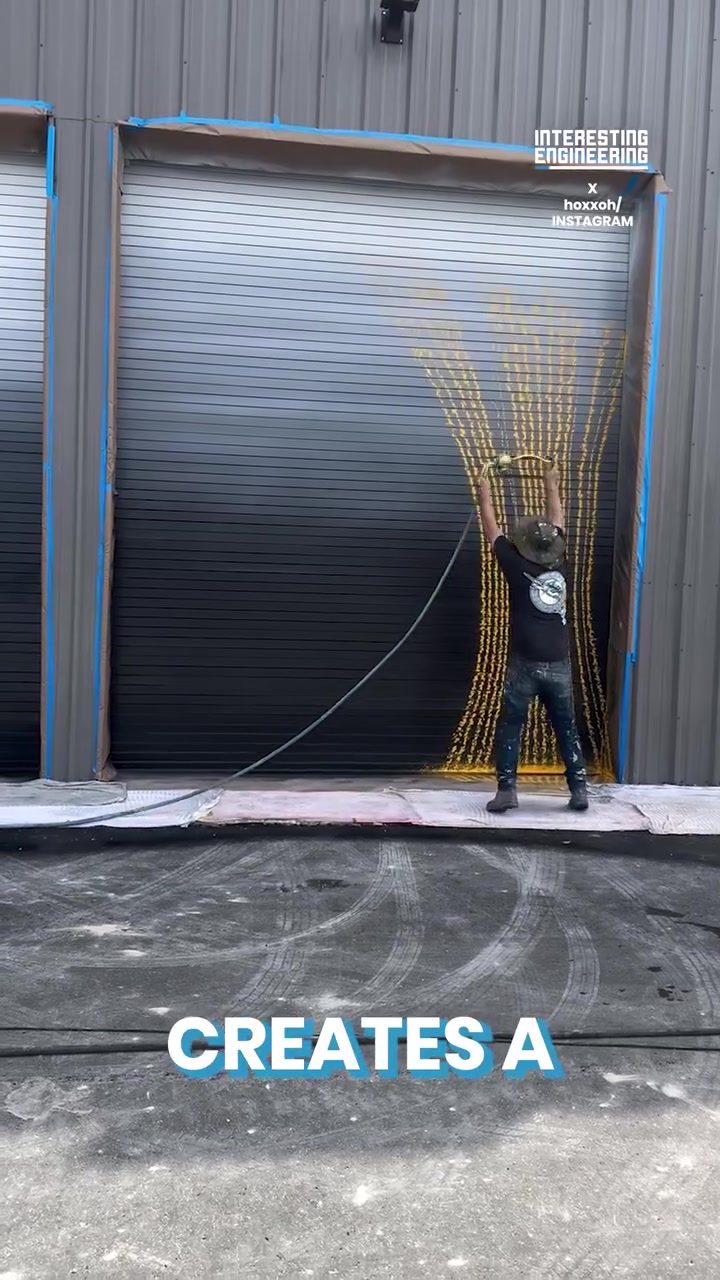
Automated Door Painting with Robotic Arms
Robotic arms have revolutionized various industries, and their application in art and design is a fascinating development. One notable example is their use in automated door painting, which allows for the creation of unique and visually striking patterns. This technique combines engineering precision with artistic flair, resulting in beautiful crosshatching designs that are both functional and aesthetically pleasing.
Context / Why This Matters
Automated painting processes are not just about efficiency; they open up new possibilities for creativity and precision. Traditional painting methods often rely on human skills, which can be limited by physical constraints and the need for consistent repetition. By using a robotic arm, artists and engineers can achieve intricate designs that would be impossible to replicate manually. This fusion of art and technology is particularly evident in the creation of crosshatching patterns, which add depth and texture to surfaces.
Main Discussion
The Technology Behind Robotic Arm Painting
Robotic arms are versatile tools equipped with advanced control systems that allow for precise movements. In the context of painting, these arms can be programmed to follow specific paths, ensuring that every stroke is consistent and accurate. The robotic arm's movements are controlled by a computer, which translates digital designs into physical actions. This level of precision is crucial for creating complex patterns like crosshatching, where even the slightest deviation can affect the overall design.
The Process of Automated Door Painting
The process begins with the design phase, where artists create the desired pattern digitally. This digital design is then translated into a series of instructions for the robotic arm. The arm, equipped with a paint sprayer, is attached to a wheeled platform, allowing it to move freely across the surface being painted. As the platform moves, the robotic arm executes the programmed movements, applying paint in a precise and controlled manner.
The result is a dynamic visual effect that adds a unique touch to the painted surface. The crosshatching patterns created by the robotic arm not only enhance the visual appeal but also provide a tactile experience, making the surface more interesting to touch and look at.
Advantages of Automated Painting
One of the primary advantages of using robotic arms for painting is the consistency they offer. Unlike human artists, who may experience fatigue or variations in skill level, a robotic arm can maintain the same level of precision throughout the painting process. This consistency is particularly important for large-scale projects, where maintaining a uniform design across a vast surface is crucial.
Another significant benefit is the speed at which the work can be completed. Robotic arms can work continuously without breaks, significantly reducing the time required to paint large surfaces. This efficiency is particularly valuable in industries where time is a critical factor, such as manufacturing or construction.
Applications and Industries
Automated door painting with robotic arms has numerous applications across various industries. In the automotive industry, these arms are used to paint car bodies with intricate designs that would be difficult to achieve with traditional methods. In construction, they are used to paint large surfaces efficiently, ensuring uniform coverage and precise patterns.
In addition to industrial applications, automated painting is also used in art and design. Artists and designers can explore new creative possibilities by using robotic arms to create unique patterns and textures. This technology allows for the fusion of art and engineering, resulting in visually stunning and technically impressive works.
Practical Tips
If you're considering using a robotic arm for painting, here are some practical tips to help you get started:
Choose the Right Equipment
Selecting the right robotic arm is crucial for achieving the desired results. Look for models that offer high precision and flexibility, as these will allow you to create complex patterns with ease. Also, ensure that the arm is compatible with the paint sprayer you plan to use.
Plan Your Design Carefully
Before starting the painting process, create a detailed digital design of the pattern you want to achieve. This design will serve as the blueprint for the robotic arm's movements, so it's essential to get it right. Use design software that allows for precise measurements and detailed instructions.
Test on a Small Scale
Before tackling a large project, it's a good idea to test the robotic arm on a smaller scale. This will help you identify any potential issues and make any necessary adjustments. By testing on a smaller surface, you can also get a better understanding of how the robotic arm interacts with the paint and the surface being painted.
Maintain and Calibrate Regularly
To ensure consistent results, it's important to maintain and calibrate the robotic arm regularly. This includes checking for any wear and tear, updating the software, and ensuring that the arm is properly aligned. Regular maintenance will help prevent issues and ensure that the arm continues to operate at peak performance.
Important Takeaways
- Automated door painting with robotic arms offers a unique blend of art and engineering, allowing for the creation of intricate and visually stunning patterns.
- Robotic arms provide consistent and precise painting, ensuring uniform coverage and reducing the time required for large-scale projects.
- The technology has numerous applications across various industries, from automotive and construction to art and design.
- Choosing the right equipment, planning your design carefully, testing on a small scale, and maintaining the robotic arm regularly are essential steps for successful automated painting.
Conclusion
Automated door painting with robotic arms represents a groundbreaking advancement in the intersection of art and technology. By leveraging the precision and consistency of robotic arms, artists and engineers can create visually stunning and technically impressive works. This fusion of creativity and engineering opens up new possibilities for design and functionality, making it a valuable tool for various industries. Whether you're in manufacturing, construction, or design, exploring the potential of automated painting can lead to innovative solutions and visually captivating results.
Watch the Reel
Questions readers ask
How do robotic arms enhance door design?
Robotic arms enhance door design by offering unmatched precision and consistency. They can create intricate crosshatching patterns and other designs that are difficult or impossible to achieve by hand. This allows for unique and visually striking door designs that blend artistic creativity with engineering accuracy.
What is the process of automated door painting with robotic arms?
Automated door painting involves programming a robotic arm with specific patterns and movements. The arm then uses spray paint techniques to apply these designs onto doors with high precision. This process ensures consistent results and allows for complex designs to be replicated easily.
Can robotic arms create designs other than crosshatching?
Yes, robotic arms are versatile and can create a wide range of designs beyond crosshatching. These include varied patterns, textures, and even custom artwork. The only limit is the creativity of the programmer and the capabilities of the robotic arm.
How does automated art with robotic arms differ from traditional door painting?
Automated art with robotic arms differs from traditional door painting in several ways. Traditional methods rely on manual skills and are subject to human limitations, while robotic arms offer consistency, precision, and the ability to replicate complex designs effortlessly. Additionally, robotic arms can work continuously without fatigue, ensuring uniform results.
What are the benefits of using spray paint techniques with robotic arms?
Using spray paint techniques with robotic arms allows for smooth, even application and precise control over the design. Spray paint can create a variety of effects, from fine details to bold patterns, and robotic arms apply it with unmatched accuracy, ensuring that each door design is executed perfectly.
Can robotic arms be used for custom door designs?
Yes, robotic arms are highly adaptable and can be programmed to create custom door designs. Whether it's a unique pattern, a specific texture, or a personalized artwork, the robotic arm can be programmed to achieve it, making it an excellent tool for creating bespoke door designs.
What kind of maintenance do robotic arms require for door painting?
Robotic arms require regular maintenance to ensure optimal performance. This includes cleaning the spray paint nozzles, checking for wear and tear on mechanical parts, and updating the programming software. Proper maintenance ensures that the robotic arm continues to produce high-quality, consistent door designs.
Related deep dives
Similar reads based on topic and creator.


Recent articles
Fresh deep dives from the latest Reels we unpacked.




Comments
Be the first to comment.