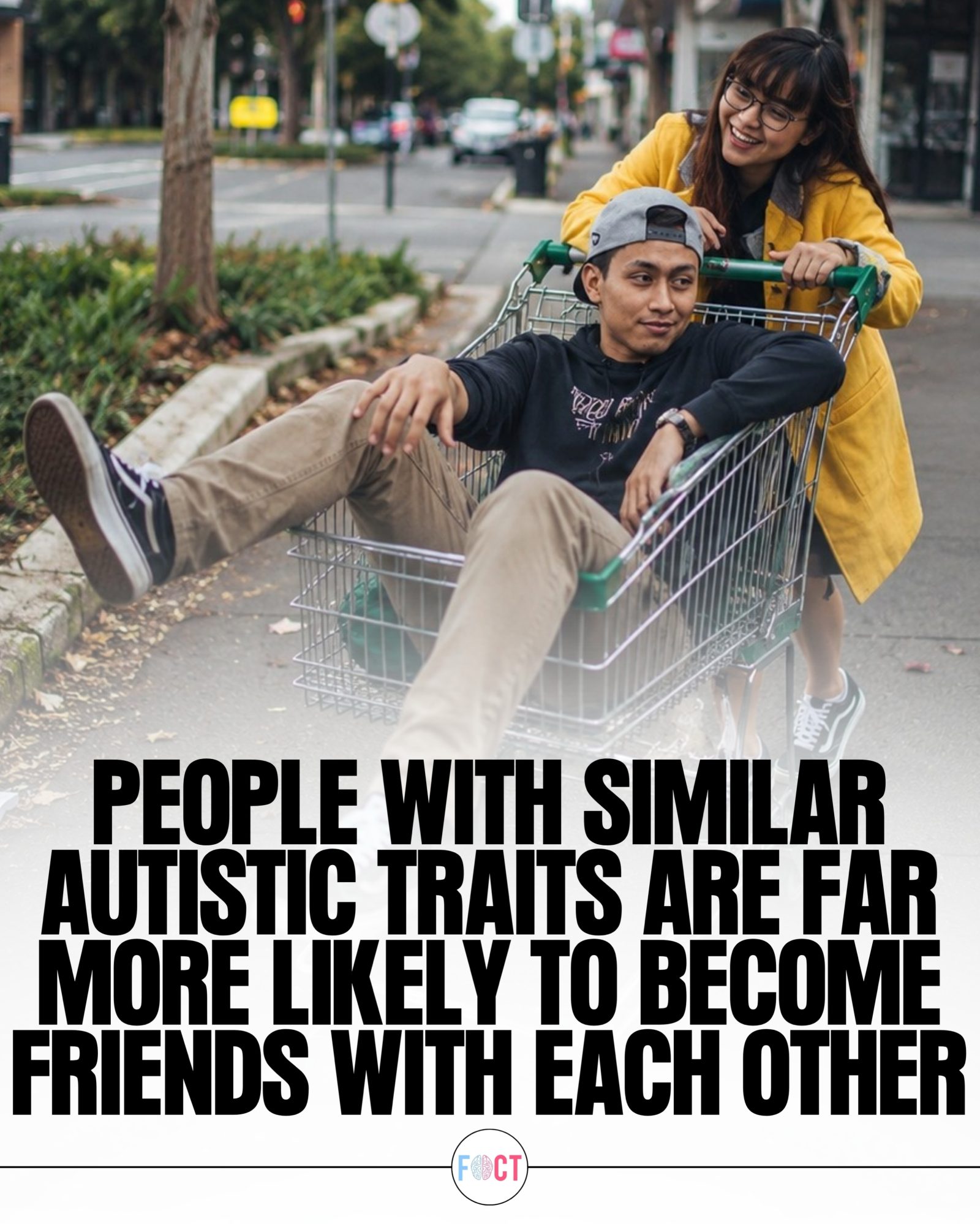
Friendship and Autism
Friendship is a universal human experience, but for individuals on the autism spectrum, the path to forming these connections can be uniquely influenced by their experiences. Recent studies reveal that people with similar autistic traits often form friendships more easily. This phenomenon is rooted in shared communication styles, interests, and social experiences.
Context / Why this matters
Understanding how people with similar autistic traits form friendships is crucial for fostering inclusive environments. It sheds light on the importance of mutual understanding and shared experiences in building lasting relationships. Whether in social settings or professional environments, recognizing and valuing these connections can enhance social dynamics and support networks.
Main discussion
Shared Communication and Experiences
One of the key factors in the formation of friendships among individuals with similar autistic traits is their shared communication styles. People on the autism spectrum often share unique ways of expressing themselves, which can create a strong bond. This mutual understanding allows for smoother interactions and a deeper sense of connection.
Common Interests and Social Experiences
Shared interests and social experiences play a pivotal role in forming friendships. Individuals with similar autistic traits often find common ground in specific activities or topics that resonate with their unique perspectives. These shared experiences provide a foundation for meaningful interactions, fostering a sense of camaraderie and mutual support. Engaging in activities that align with their interests helps to build and reinforce these friendships.
Assortative Socialization
Researchers describe the tendency of people with similar autistic traits to form friendships as "assortative socialization." This concept refers to the natural inclination of individuals to connect with those who think and interact similarly. Such friendships often develop organically because of the comforting familiarity and mutual understanding that come from shared experiences. This process is not limited to people with similar traits but is more pronounced in their interactions with one another.
Practical tips
Encourage Shared Interests
Creating opportunities for individuals with similar autistic traits to engage in shared interests can significantly enhance their social connections. Whether through hobby groups, social clubs, or specialized programs, these spaces allow individuals to bond over common ground, fostering deeper, more meaningful friendships.
Foster Inclusive Environments
Inclusive environments are crucial for building lasting friendships. This means encouraging mutual respect, understanding, and acceptance. Schools, workplaces, and social groups can play a vital role by promoting an atmosphere where individuals feel valued and supported. Programs that provide structured support and encouragement can also be beneficial.
Promote Mutual Understanding
Educating individuals about the unique ways in which people with autistic traits communicate and interact can enhance mutual understanding. This includes awareness training for educators, employers, and peers. By appreciating the nuances of communication and interaction among individuals with similar autistic traits, we can create more cohesive and supportive communities.
Important takeaways
- Shared Communication: People with similar autistic traits often find common ground in their unique communication styles, leading to stronger bonds.
- Interest Alignment: Common interests and experiences are key to forming friendships, providing a foundation for meaningful interactions.
- Assortative Socialization: This phenomenon describes the natural tendency of individuals to connect with those who share similar traits and experiences.
- Inclusive Environments: Promoting mutual respect, understanding, and acceptance can significantly enhance the formation of friendships among individuals with similar autistic traits.
- Mutual Understanding: Educating others about these unique communication styles can foster more cohesive and supportive communities.
Conclusion
Friendships among individuals with similar autistic traits are built on a foundation of shared communication, interests, and experiences. By recognizing and valuing these connections, we can create more inclusive and supportive environments where everyone feels valued and understood. Encouraging shared interests, fostering inclusive environments, and promoting mutual understanding are key steps in building lasting and meaningful friendships.
Watch the Reel
Questions readers ask
How do autistic traits influence the way friendships are formed?
Autistic traits can influence friendships by shaping communication styles, interests, and social experiences. Individuals with similar autistic traits often connect more easily due to these shared characteristics, which can lead to more comfortable and understanding friendships.
Why is it important to understand the role of shared autistic traits in friendships?
Understanding how shared autistic traits influence friendships is important for creating inclusive environments. This knowledge helps in fostering mutual understanding and appreciation, which can strengthen support networks and enhance social dynamics.
What are some common social experiences that autistic individuals share?
Autistic individuals often share experiences such as difficulty with social cues, sensory sensitivities, and unique interests. These experiences can create a strong bond among individuals who understand and relate to each other's perspectives.
Can people with different levels of autistic traits form friendships?
Yes, friendships can form between individuals with different levels of autistic traits, but it may require more effort and understanding from both parties. Open communication and a willingness to learn about each other's experiences can bridge these differences.
How can recognizing shared autistic traits benefit social dynamics in professional environments?
Recognizing shared autistic traits in professional environments can enhance teamwork and collaboration. By valuing these connections, workplaces can create more supportive and inclusive cultures, which can lead to better overall performance.
What steps can be taken to support individuals on the autism spectrum in forming friendships?
To support individuals on the autism spectrum in forming friendships, it is helpful to create opportunities for shared interests and experiences. Encouraging open communication and providing a safe, understanding environment can also foster meaningful connections.
How do sensory sensitivities play a role in friendships for individuals on the autism spectrum?
Sensory sensitivities can significantly impact friendships for individuals on the autism spectrum. Understanding and accommodating these sensitivities can help in creating more comfortable and enjoyable social interactions, allowing for deeper connections.
Recent articles
Fresh deep dives from the latest Reels we unpacked.




Comments
Be the first to comment.