Wave Energy Plants: Harnessing the Power of the Ocean
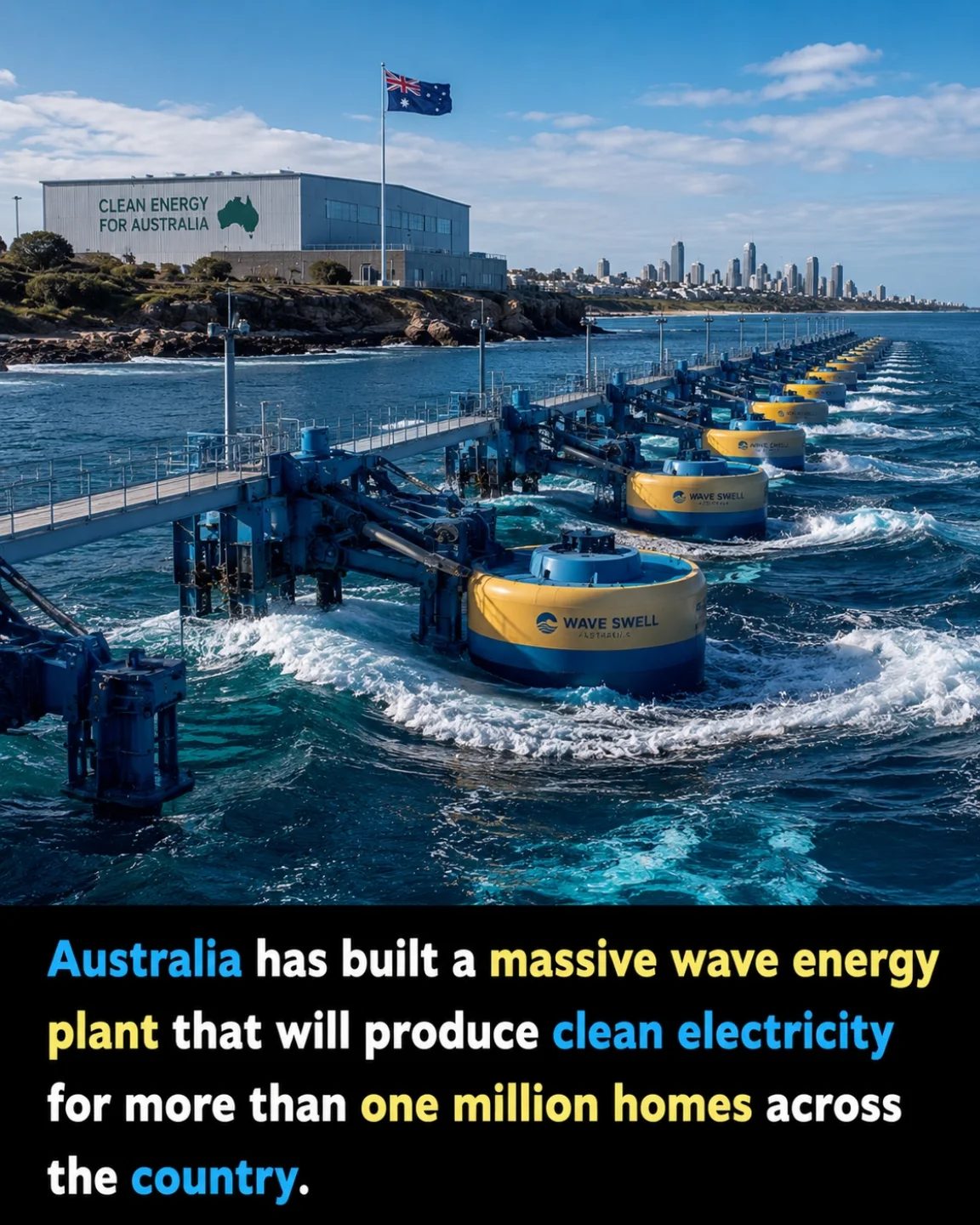
Australia has taken a significant leap in renewable energy by constructing a massive wave energy plant. This innovative project, developed by Wave Swell, is designed to harness the power of ocean waves to generate clean electricity for over one million homes across the country.
Why This Matters
The need for sustainable and renewable energy sources has never been more pressing. Traditional fossil fuels contribute to environmental degradation and climate change, making it crucial to explore alternative energy solutions. Wave energy plants offer a promising avenue for generating clean electricity, reducing reliance on fossil fuels, and mitigating the impact of carbon emissions.
The Wave Energy Plant: An Overview
The wave energy plant in Australia stands as a testament to technological innovation in renewable energy. This project consists of multiple floating devices strategically placed in the ocean to capture the kinetic energy of waves. These devices convert the wave motion into electrical energy, which is then transmitted to the mainland through underwater cables.
How Wave Energy Works
Wave energy conversion systems operate on the principle of harnessing the mechanical energy of ocean waves. The devices used in this plant are designed to oscillate with the movement of the waves, driving generators that produce electricity. This process is highly efficient, as the ocean's waves are a consistent and abundant source of energy.
The Scale of the Project
The sheer scale of the wave energy plant is one of its most impressive features. The installation covers a vast area of the ocean, with multiple floating devices working in unison to produce a substantial amount of electricity. This scale ensures that the plant can meet the energy demands of over one million homes, making it a significant contributor to Australia's renewable energy grid.
Environmental Impact
One of the primary advantages of wave energy is its minimal environmental impact. Unlike fossil fuel power plants, wave energy plants do not emit greenhouse gases or other pollutants. Additionally, the floating devices are designed to have a minimal impact on marine life, ensuring that the ecosystem remains undisturbed. This makes wave energy a sustainable and environmentally friendly option for power generation.
Practical Tips for Understanding Wave Energy
Wave energy is a complex field, but understanding its basics can help anyone appreciate its potential. Here are some practical tips for getting a better grasp of wave energy and its applications:
-
Learn About Wave Energy Conversion Systems: Familiarize yourself with different types of wave energy conversion systems, such as oscillating water columns, overtopping devices, and oscillating bodies. Each system has its unique advantages and applications.
-
Understand the Technology Behind Wave Energy: Gain insights into the mechanical and electrical components involved in wave energy conversion. Knowing how these systems work can help you appreciate the technology's efficiency and potential.
-
Stay Updated on Research and Development: Wave energy is a rapidly evolving field. Keeping abreast of the latest research and technological advancements can provide valuable insights into the future of wave energy.
-
Engage with Community Initiatives: Participate in local community initiatives and discussions about renewable energy. This can help you understand the practical applications and challenges of wave energy in your area.
Important Takeaways
- Wave energy plants offer a sustainable and environmentally friendly source of renewable energy.
- The scale of the wave energy plant in Australia is impressive, capable of powering over one million homes.
- Understanding the basics of wave energy conversion systems and their technology can provide valuable insights into this field.
Conclusion
The wave energy plant developed by Wave Swell in Australia represents a significant milestone in the pursuit of renewable energy. By harnessing the power of ocean waves, this innovative project provides clean electricity to a significant portion of the population while minimizing environmental impact. As we continue to explore and develop renewable energy sources, wave energy plants offer a promising solution for a sustainable future.
Watch the Reel
Questions readers ask
How does Australia's new wave energy plant work?
The wave energy plant developed by Wave Swell consists of multiple floating devices that capture the kinetic energy from ocean waves. This energy is then converted into electrical energy efficiently, making it a viable source of clean electricity. The plant is designed to power over one million homes across the country.
What are the environmental benefits of the wave energy plant in Australia?
The wave energy plant significantly reduces reliance on fossil fuels, which are major contributors to environmental degradation and climate change. By harnessing the power of ocean waves, the plant helps mitigate carbon emissions, providing a cleaner and more sustainable energy solution.
How does wave power generation compare to other renewable energy sources?
Wave power generation offers a unique advantage by utilizing the constant and predictable motion of ocean waves. Unlike solar or wind energy, which can be intermittent, wave energy provides a steady source of power. This makes it a reliable addition to the renewable energy mix, complementing other sources like solar and wind.
What is the significance of using floating wave energy devices?
Floating wave energy devices offer flexibility in placement and can be deployed in various oceanic locations, making them an efficient solution for large-scale wave power generation. Their design allows for effective energy conversion, ensuring that the kinetic energy of waves is harnessed efficiently to produce renewable electricity.
How does Australia's wave energy plant contribute to reducing carbon emissions?
By generating clean electricity from ocean waves, the wave energy plant reduces the need for fossil fuel-based power generation. This shift towards renewable energy sources directly decreases the amount of carbon emissions released into the atmosphere, promoting a more sustainable and eco-friendly energy landscape.
What scale of impact does the wave energy plant have on Australia's energy supply?
The wave energy plant is designed to generate enough clean electricity to power over one million homes, showcasing a significant leap in renewable energy. This large-scale wave power plant demonstrates Australia's commitment to harnessing the potential of ocean wave energy, providing a substantial contribution to the country's overall energy supply.
What role does Wave Swell play in Australia's renewable energy efforts?
Wave Swell is the innovator behind Australia's new wave energy plant, developing the technology to harness ocean wave energy efficiently. Their efforts in creating this large-scale wave power plant contribute to Australia's goal of transitioning to more renewable electricity, reducing the environmental impact of traditional energy sources.
Related deep dives
Similar reads based on topic and creator.

Recent articles
Fresh deep dives from the latest Reels we unpacked.




Comments
Be the first to comment.