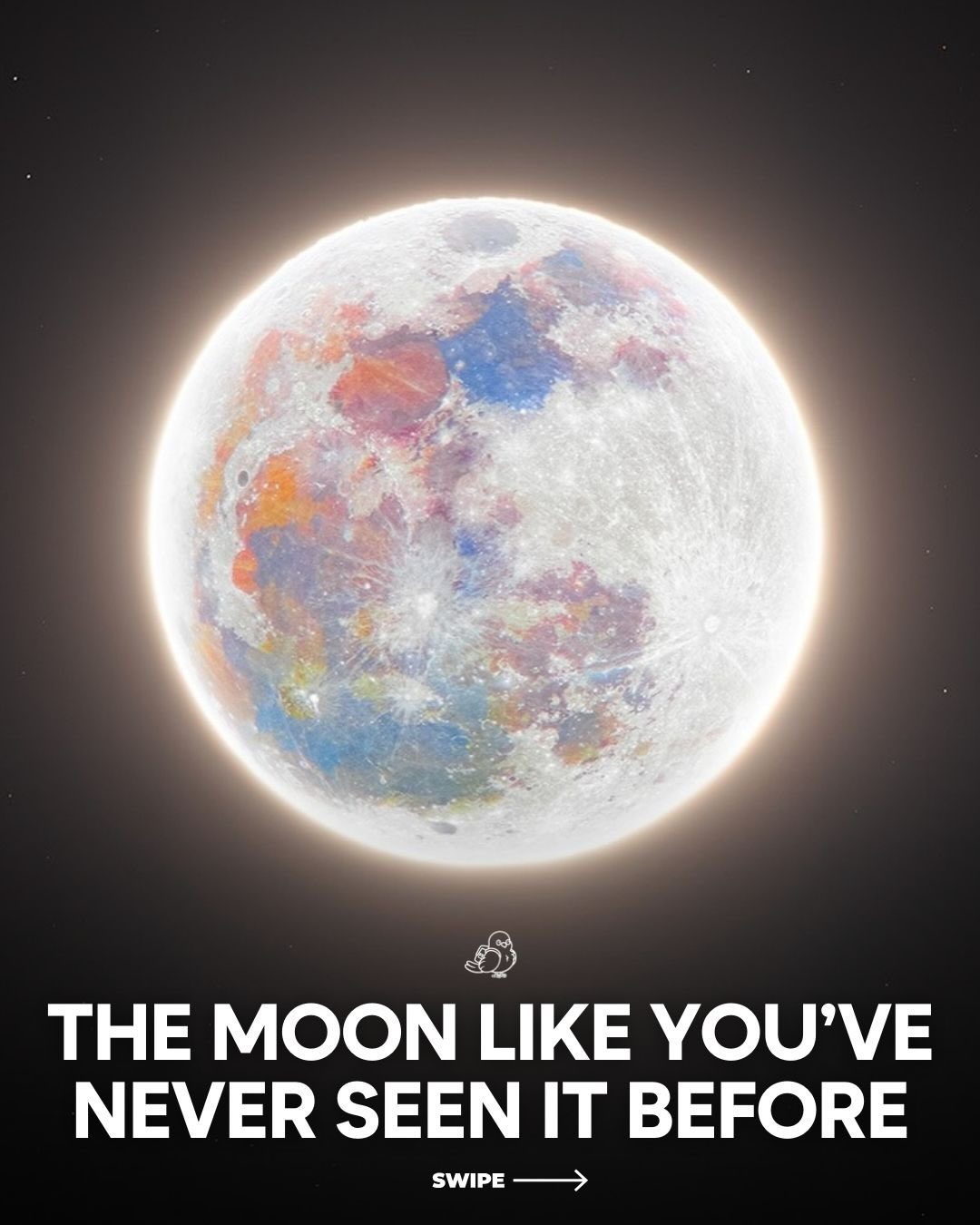
The Colorful Moon: A Unique Perspective on the August Full Moon
The August full moon, known as the Sturgeon Moon, has long been a celestial highlight for observers across North America. Named by the Indigenous peoples of the region, this lunar phase traditionally signaled a prime time for sturgeon fishing. But beyond its traditional significance, the Sturgeon Moon offers a spectacular visual experience, especially when captured through the lens of modern astronomy equipment.
Context: Why this matters
The Sturgeon Moon, also known as the Green Corn Moon or Grain Moon, holds cultural and natural significance. It marks the time of year when sturgeon, a large freshwater fish, were abundant in the waters of North America. This fishing season was crucial for many communities, providing a vital food source and economic opportunity. By understanding the cultural background and the scientific methods used to capture images of the moon, we can appreciate the Sturgeon Moon in a deeper and more meaningful way.
Main discussion
The Sturgeon Moon and Its Cultural Significance
The Sturgeon Moon is more than just a celestial event; it is deeply rooted in the cultural heritage of Indigenous peoples in North America. The name "Sturgeon Moon" reflects the historical importance of sturgeon fishing during this time of year. Sturgeon were once plentiful in the region's rivers and lakes, and the August full moon provided the necessary light for nighttime fishing. This practice was not only a means of survival but also a communal activity that brought families and communities together.
Scientific Capture
Capturing the beauty of the Sturgeon Moon requires sophisticated equipment and techniques. The equipment used to capture the visualization includes the Sony a7S II camera, a GSO 150/750 telescope, an Arsenal EQ5 mount, and a Barlow 2x lens. This setup allows for detailed and high-resolution images of the moon, revealing its surface features in stunning clarity. The equipment choices are crucial in creating a detailed and vibrant visualization of the moon's surface.
The Art of Lunar Photography
Creating a colorful, digitally enhanced visualization of the moon involves more than just pointing a camera at the sky. It requires a blend of artistic vision and technical skill. The use of vibrant, artificial colors in the visualization adds a unique aesthetic that sets it apart from traditional lunar images. These colors are chosen to highlight different features of the moon's surface, making it easier to appreciate the nuances of the lunar landscape.
The Moon in Color
The idea behind presenting the moon in a colorful, stylized manner is to offer a fresh perspective on a familiar celestial object. By using artificial colors, the visualization encourages viewers to see the moon in a new light, both literally and figuratively. This approach not only makes the moon more visually appealing but also invites viewers to engage with the image in a more interactive way, such as by swiping to see different perspectives.
The Interactive Experience
Viewing the moon in this manner becomes an interactive experience, encouraging viewers to explore different angles and perspectives. This interactive element engages the audience more deeply, making the experience more memorable and enjoyable. The stark contrast of vibrant colors against the dark backdrop of space creates a visually stunning effect, making the moon appear almost otherworldly.
The Equipment Behind the Scenes
The equipment used to capture these images is state-of-the-art, designed to deliver the highest quality images possible. The Sony a7S II is a versatile camera known for its low-light sensitivity, making it ideal for astrophotography. The GSO 150/750 telescope provides the necessary magnification and clarity, while the Arsenal EQ5 mount ensures stability during long exposures. The Barlow 2x lens doubles the effective focal length of the telescope, allowing for even more detailed images.
Practical tips
Choosing the Right Equipment
When capturing images of the moon, choosing the right equipment is crucial. A high-quality camera with good low-light sensitivity, a powerful telescope, and a sturdy mount are essential. The Sony a7S II, GSO 150/750 telescope, and Arsenal EQ5 mount are excellent choices for astrophotography. Additionally, lenses like the Barlow 2x can enhance the magnification and detail of your images.
Setting Up for Success
Setting up your equipment properly is just as important as choosing the right gear. Ensure that your telescope and camera are securely mounted to avoid any movement during long exposures. Use a remote shutter release or intervalometer to minimize camera shake. Additionally, consider using a field flattener to correct any optical distortions that may occur with high magnification.
Post-Processing Techniques
Post-processing is where the magic happens. Software like Adobe Lightroom or Photoshop allows you to enhance your images and add artistic elements. By using artificial colors, you can highlight different features of the moon's surface, making it more visually appealing. Be mindful of the colors you choose, as they should enhance the image without making it look unrealistic.
Interactive Elements
Incorporating interactive elements can make your lunar visualizations more engaging. Encouraging viewers to swipe through different perspectives or zoom in on specific features can create a more immersive experience. This approach not only makes the content more enjoyable but also invites viewers to explore and appreciate the moon's beauty in a new way.
Important takeaways
Incorporating cultural context into your lunar photography can add depth and meaning to your work. The Sturgeon Moon, with its rich history and significance, is a prime example of how cultural heritage can enhance our appreciation of celestial events. Equipping yourself with the right tools and techniques is essential for capturing the moon's beauty in all its detail and vibrancy. Post-processing and interactive elements can further enhance the visual and emotional impact of your lunar images.
Conclusion
The Sturgeon Moon, with its vibrant colors and rich cultural background, offers a unique and captivating perspective on the August full moon. By using advanced equipment and techniques, we can capture the moon in all its detail and beauty. Interactive visualizations, coupled with cultural context, create an immersive experience that invites viewers to engage with the celestial wonder in a new way. The next time you look up at the full moon, take a moment to appreciate its beauty and the rich history it holds.
Watch the Reel
Questions readers ask
What is the significance of the name 'Sturgeon Moon'?
The name 'Sturgeon Moon' comes from the Indigenous peoples of North America, who recognized August as a prime time for sturgeon fishing. This name reflects the cultural heritage and the natural abundance of sturgeon during this lunar phase.
Why is the August full moon important in Indigenous cultures?
The August full moon, or Sturgeon Moon, held great importance for Indigenous communities as it signaled the best time for sturgeon fishing. This was a crucial period for gathering food and resources, making it a significant event in their annual cycle.
What are some other names for the August full moon?
In addition to the Sturgeon Moon, the August full moon is also known as the Green Corn Moon or Grain Moon. These names reflect the agricultural and natural cycles that occur during this time of year.
How can modern astronomy equipment enhance the view of the August full moon?
Modern astronomy equipment, such as telescopes and high-resolution cameras, can capture the vibrant and detailed features of the August full moon. This technology allows for a closer and more detailed view, revealing intricate lunar landscapes and enhancing the overall viewing experience.
Are there any cultural events or celebrations related to the Sturgeon Moon?
Yes, many Indigenous communities and cultural organizations host events and celebrations during the Sturgeon Moon. These gatherings often include traditional fishing practices, storytelling, and other cultural activities that honor the significance of this lunar phase.
What makes the Sturgeon Moon a unique experience for stargazers?
The Sturgeon Moon offers a unique experience for stargazers due to its cultural significance, visual splendor, and the opportunity to appreciate the celestial beauty through modern technology. It provides a chance to connect with both natural wonders and cultural heritage.
Related deep dives
Similar reads based on topic and creator.


Recent articles
Fresh deep dives from the latest Reels we unpacked.




Comments
Be the first to comment.