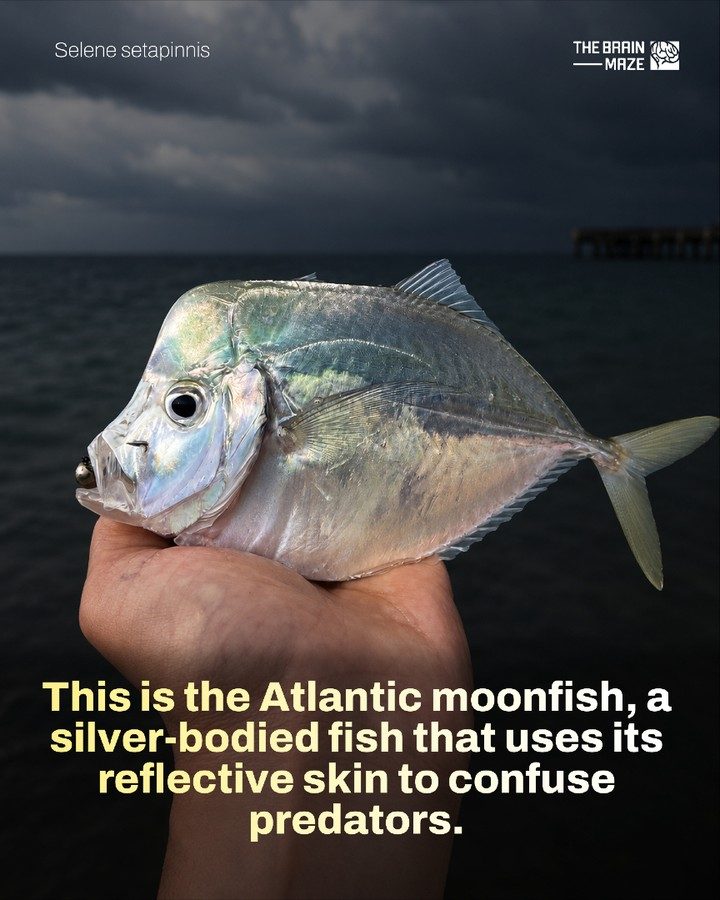
Atlantic Moonfish
The Atlantic moonfish, scientifically known as Selene setapinnis, is a fascinating marine species renowned for its striking silver body. This reflective skin is not just an aesthetic feature but a crucial adaptation that helps the fish evade predators in its ocean habitat. Let’s dive into the unique characteristics and adaptive strategies of this intriguing fish.
Why This Matters
Understanding the adaptive strategies of marine life like the Atlantic moonfish provides valuable insights into the complex ecosystems of our oceans. The reflective skin of the Atlantic moonfish is a perfect example of nature’s ingenuity, showcasing how marine species have evolved to survive in their environments. By studying these adaptations, we can better appreciate the delicate balance of ocean ecosystems and the importance of preserving them.
Main Discussion
The Silver Sheen
The most notable feature of the Atlantic moonfish is its bright, silver body. This gleaming skin not only adds to its aesthetic appeal but also serves a critical survival function. When sunlight penetrates the water, it interacts with the silvery surface of the moonfish, creating a mirror-like reflection. This reflective quality breaks up the fish’s shape, making it harder for predators to detect and follow.
Confusing Predators
The reflective skin of the Atlantic moonfish is a brilliant defense mechanism. As light moves through the waves, the fish can flash, disappear, and blend with the glowing ocean around it. This rapid shifting of appearance creates a confusing visual effect for predators, giving the moonfish a better chance to escape. The unpredictable nature of its reflection disorients predators, making it difficult for them to predict the fish’s movements and increasing its chances of survival.
Adaptive Camouflage
The Atlantic moonfish’s ability to confuse predators is not limited to its reflective skin. As light filters through the water, the fish can quickly adjust its appearance to blend with its surroundings. This adaptive camouflage is a vital survival strategy in the ocean, where predators are abundant and the environment is constantly changing. The fish’s ability to flash, disappear, and blend with the ocean is a testament to its remarkable adaptive capabilities.
Practical Tips
Observing the Atlantic moonfish in its natural habitat can be a rewarding experience for marine enthusiasts and researchers alike. Here are some practical tips for those interested in studying or appreciating these fascinating creatures:
Diving and Photography
Diving in areas where Atlantic moonfish are known to inhabit, such as the Atlantic Ocean and the Caribbean, can be an unforgettable experience. For underwater photographers, capturing the reflective skin of the moonfish can be a challenge, but it also offers a unique opportunity to showcase the fish’s adaptive capabilities. Using high-speed cameras and specialized lighting can help capture the dynamic nature of the moonfish’s skin.
Conservation Efforts
Supporting conservation efforts to protect marine ecosystems, including the habitats of the Atlantic moonfish, is crucial. This can involve participating in local conservation projects, engaging in sustainable fishing practices, and raising awareness about the importance of marine biodiversity. By preserving the natural habitats of the Atlantic moonfish, we can ensure that future generations have the opportunity to appreciate these remarkable creatures.
Important Takeaways
The Atlantic moonfish is a remarkable example of how marine species have adapted to survive in their environments. Its bright silver skin, which reflects sunlight like a mirror underwater, helps confuse predators by breaking up the fish’s shape and making it harder to follow. This adaptive strategy, combined with the fish’s ability to flash, disappear, and blend with the ocean, offers a unique perspective on the complex interactions within marine ecosystems. By appreciating and preserving these adaptations, we can contribute to the conservation of our oceans and the diverse life forms that call them home.
Conclusion
The Atlantic moonfish is a testament to the incredible diversity and adaptability of marine life. Its reflective skin and ability to confuse predators serve as a reminder of the intricate strategies that have evolved to ensure survival in the ocean. By understanding and appreciating these adaptations, we can deepen our knowledge of marine ecosystems and work towards preserving their delicate balance. Whether you are a marine enthusiast, a researcher, or simply someone fascinated by the wonders of the ocean, the Atlantic moonfish offers a captivating glimpse into the world beneath the waves.
Watch the Reel
Questions readers ask
How does the Atlantic Moonfish use its reflective skin for camouflage?
The Atlantic Moonfish utilizes its reflective skin to break up its body shape and create a mirror-like reflection, which confuses visual ocean predators, allowing the fish to effectively evade them, blending in with the surrounding water and light.
What is the primary function of the Atlantic Moonfish's striking silver body?
The primary function of the Atlantic Moonfish's striking silver body is to serve as a form of underwater camouflage. This reflective skin helps the fish to remain inconspicuous by reflecting light and breaking up the fish's silhouette.
Why is the reflective feature of the Atlantic Moonfish important for its survival?
The reflective feature of the Atlantic Moonfish is important for its survival because it helps to confuse and evade predators. The mirror-like reflection of the fish's skin disrupts the visual perception of predators, allowing the Atlantic Moonfish to blend into the ocean environment and escape potential threats.
Are there other marine species that use similar reflective adaptations?
Yes, while the Atlantic Moonfish's reflective skin is particularly notable, other marine species such as certain squid and some fish also use reflective or iridescent adaptations to confuse predators, aid in communication, or attract mates.
How does the Atlantic Moonfish’s camouflage help it in the ocean ecosystem?
The Atlantic Moonfish’s camouflage is a critical adaptation that helps it thrive in the dynamic ocean environment. By using its reflective skin, the fish can navigate its habitat more safely and efficiently, reducing the risk of predation and enhancing its overall survival.
Can the Atlantic Moonfish’s reflective features be observed under all lighting conditions?
The reflective features of the Atlantic Moonfish are most effective under certain lighting conditions, particularly in open ocean environments where sunlight penetrates the water. These conditions enhance the reflective properties of the fish’s skin, making it more effective in blending with the surrounding water.
What types of predators do the Atlantic Moonfish typically encounter in the Atlantic Ocean?
In the Atlantic Ocean, the Moonfish typically encounters a variety of predators, including larger fish, marine mammals, and seabirds. The reflective properties of the Moonfish’s skin help it to evade these predators by making it difficult for them to accurately perceive the fish's shape and movement.
Related deep dives
Similar reads based on topic and creator.




Recent articles
Fresh deep dives from the latest Reels we unpacked.




Comments
Be the first to comment.