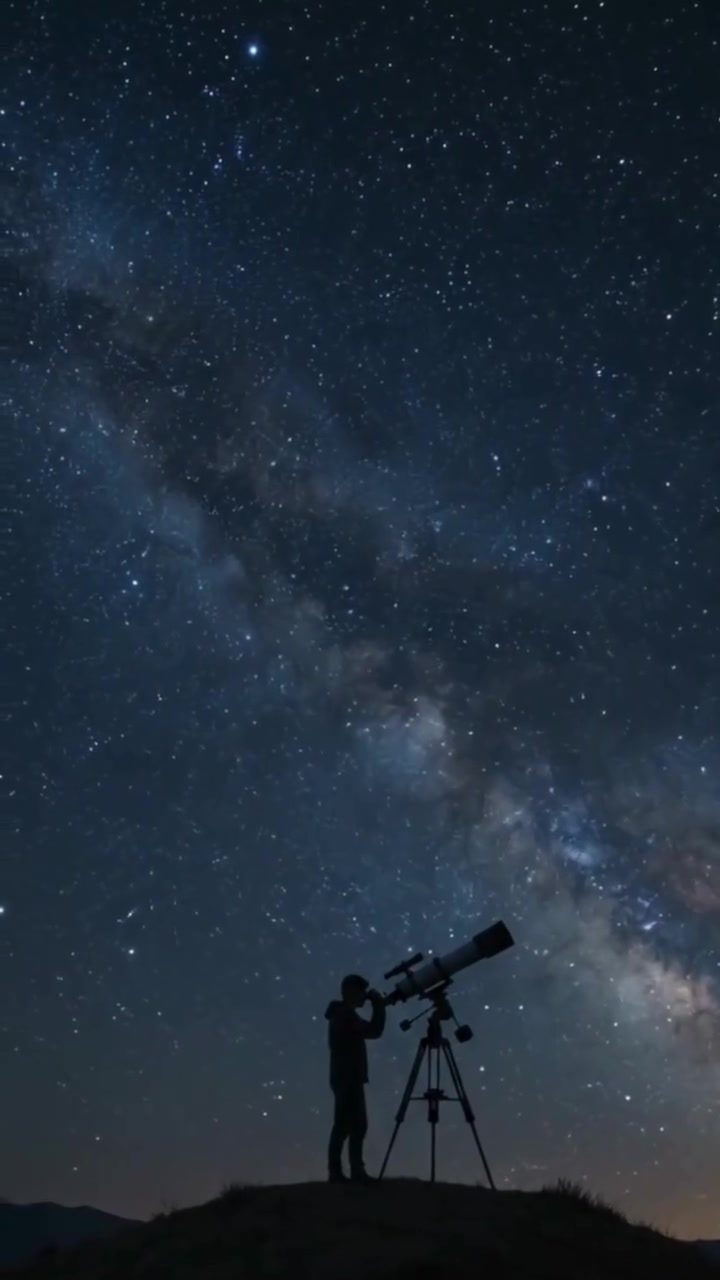
August 2026: A Spectacular Month for Astronomy Enthusiasts
August 2026 promises to be an extraordinary month for skywatchers, with a unique convergence of celestial events. On August 12, 2026, parts of the Northern Hemisphere will witness a total solar eclipse, while six planets will be visible in the sky, and the Perseid meteor shower will be near its peak.
Why This Matters
This rare alignment of celestial events offers a unique opportunity for both casual stargazers and seasoned astronomers to observe some of the most spectacular sights the night sky has to offer. The combination of a total solar eclipse, the alignment of six planets, and the Perseid meteor shower makes August 2026 a month to remember for anyone interested in astronomy.
The Solar Eclipse
The total solar eclipse will cross Greenland, Iceland, Spain, and parts of Portugal, with many other regions experiencing a partial eclipse. This event occurs when the Moon passes between the Sun and the Earth, casting a shadow that blocks out the Sun's light. During a total solar eclipse, the sky darkens as if it were nighttime, and the Sun's corona becomes visible, creating a breathtaking display.
Viewing the Solar Eclipse
To safely view a solar eclipse, it is crucial to use proper eye protection. Special eclipse glasses or filters designed for solar viewing are essential to prevent eye damage. Telescopes equipped with solar filters can also provide a closer look at the eclipse, revealing details of the Sun's corona and any visible prominences.
The Planet Alignment
Around the same period as the solar eclipse, six planets—Mercury, Venus, Jupiter, Saturn, Uranus, and Neptune—will be visible in the sky. This rare alignment offers a unique opportunity to observe these celestial bodies in a single view. The best time to view this alignment is before sunrise, making it a special morning spectacle.
Tips for Observing the Planets
Using a telescope can significantly enhance the viewing experience. A good-quality telescope will allow you to see the planets in greater detail, including the rings of Saturn and the moons of Jupiter. For beginners, it is advisable to use a telescope with a larger aperture, as this will provide brighter and clearer images. Additionally, using a stargazing app or a star chart can help locate the planets and plan your viewing session.
The Perseid Meteor Shower
Following the solar eclipse and planet alignment, the Perseid meteor shower will be near its annual peak. This meteor shower produces up to 50–100 meteors per hour under dark skies, making it one of the most active and reliable meteor showers of the year.
Viewing the Perseids
The Perseids are created as Earth passes through debris left behind by Comet Swift–Tuttle, with meteors entering Earth's atmosphere at speeds of about 59 km/s (133,000 mph). For the best viewing experience, find a location away from city lights and allow your eyes to adjust to the darkness. Look towards the constellation Perseus, from which the meteors appear to radiate, but remember that meteors can be seen anywhere in the night sky.
Practical Tips
Here are some practical tips to make the most of these celestial events:
Equipment
Invest in a good-quality telescope with a large aperture for better viewing of planets and the Moon. Ensure you have proper eye protection for viewing the solar eclipse. Binoculars can also be useful for viewing larger celestial objects like the Moon and brighter planets.
Location
For the best viewing experience, choose a location with minimal light pollution. Darker skies will allow you to see fainter stars, planets, and meteors. Remote areas, mountaintops, or even a local park can provide ideal viewing conditions.
Apps and Tools
Use stargazing apps or a star chart to locate the planets and meteor shower radiant points. These tools can also provide real-time information on the positions of celestial objects and meteor activity.
Comfort and Preparation
Dress warmly and bring a comfortable chair or blanket to lie on. It's also a good idea to bring snacks and water, especially if you plan to stay out for an extended period. Check the weather forecast and plan your viewing session accordingly.
Important Takeaways
Rare Alignment
The alignment of six planets and the Perseid meteor shower near its peak make August 2026 a unique opportunity for skywatchers. The convergence of these celestial events is an uncommon occurrence, providing a rich viewing experience for both casual observers and experienced astronomers.
Preparation is Key
Proper preparation, including the right equipment, a dark viewing location, and useful tools, will enhance your viewing experience. Investing in a good telescope, using proper eye protection, and utilizing stargazing apps can make a significant difference in what you see during the eclipse and the meteor shower.
Enjoy the Moment
These celestial events offer a chance to connect with the cosmos in a profound way. Take the time to appreciate the beauty of the night sky, and consider sharing the experience with friends or family.
Conclusion
August 2026 promises to be a month of celestial wonders, with a total solar eclipse, a rare planet alignment, and the Perseid meteor shower all occurring within a short period. Whether you are a seasoned astronomer or a casual stargazer, this is an opportunity not to be missed. Prepare well, find a dark viewing location, and take in the spectacle of the night sky.
Watch the Reel
Questions readers ask
What dates should I mark for the 2026 Solar Eclipse?
The total solar eclipse will be visible on August 12, 2026. This is the primary date you should mark to witness this spectacular event.
Which planets will align in 2026?
In 2026, the six planets aligning in the sky will be Mercury, Venus, Mars, Jupiter, Saturn, and the outer planets Uranus, and Neptune.
How is the 2026 Perseid meteor shower expected to perform?
The Perseid meteor shower in 2026 is anticipated to be near its peak during the eclipse. This means viewers can expect an impressive display of meteors, with up to 100 meteors per hour.
Where can I observe the six planet alignment in 2026?
The six-planet alignment will be visible from various locations, but the best views will be from the Northern Hemisphere, particularly in areas with clear, dark skies away from city lights.
Why is the 2026 alignment special for skywatchers?
The 2026 alignment is special because it combines several rare events: a total solar eclipse, a six-planet alignment, and the Perseid meteor shower. This unique convergence offers an exceptional opportunity for observing multiple celestial phenomena in a single month.
What precautions should I take during the 2026 solar eclipse?
During the solar eclipse, it is crucial to use proper eye protection, such as eclipse glasses or solar filters, to avoid damaging your eyes. Only remove protective gear during the brief period of totality when the moon completely covers the sun.
Related deep dives
Similar reads based on topic and creator.
Recent articles
Fresh deep dives from the latest Reels we unpacked.




Comments
Be the first to comment.