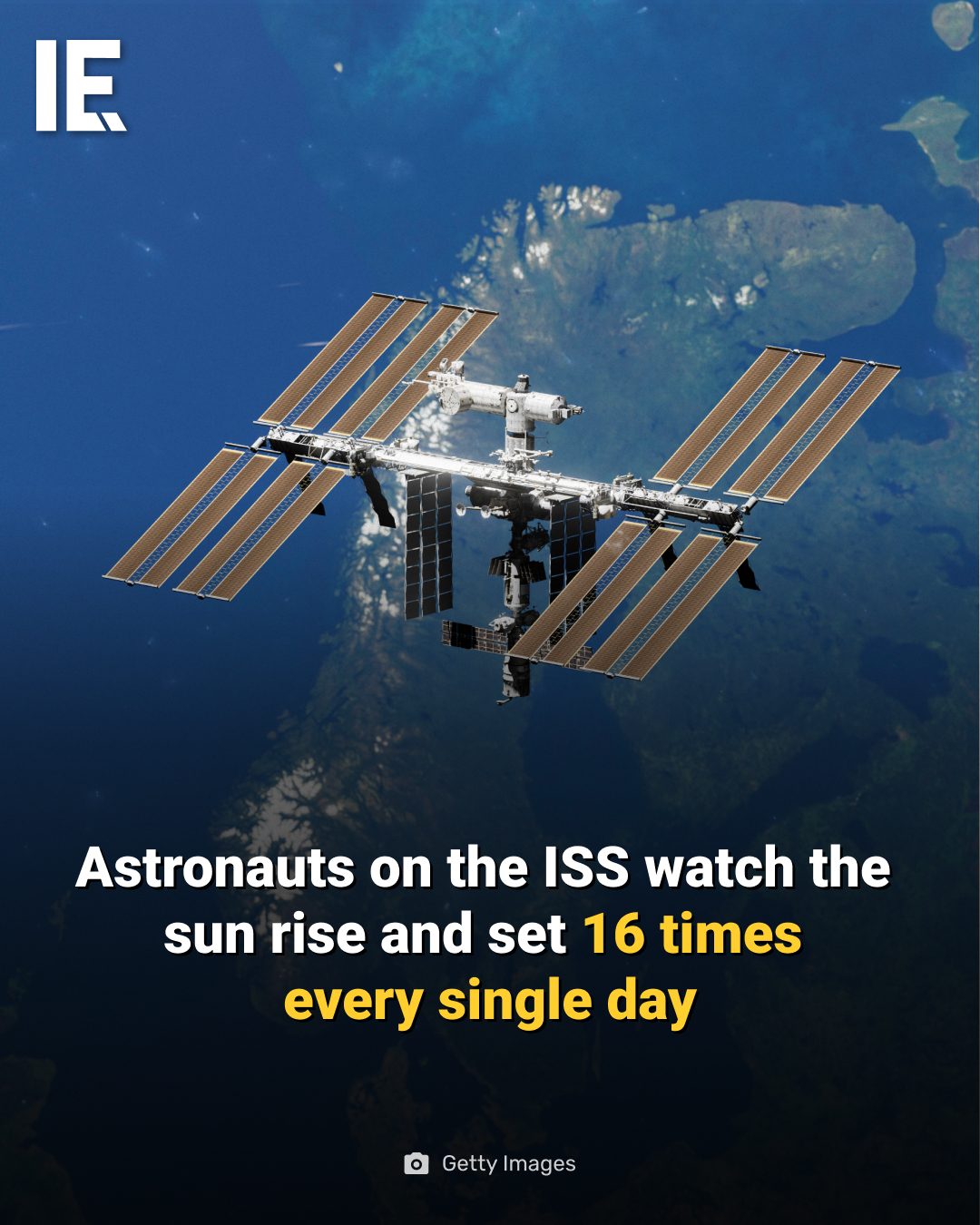
International Space Station Sunrise: A Day in the Life on the ISS
The International Space Station (ISS) orbits Earth at an astonishing 28,000 kilometers per hour, completing a full orbit every 90 minutes. That means astronauts on board experience 16 sunrises and 16 sunsets every 24 hours, with day and night cycling every 45 minutes.
Context / Why This Matters
Understanding the unique environment of the ISS is crucial for appreciating the challenges and adaptations astronauts face. The rapid cycling of day and night can disrupt the human body's natural circadian rhythms, making it essential for the ISS to employ strategies to maintain a sense of normalcy for its inhabitants.
The ISS Orbit and Its Impact on Astronauts
The ISS orbits Earth at an altitude of approximately 400 kilometers, where it experiences continuous sunlight for about 60% of its orbit. This rapid cycling of sunrise and sunset can lead to a significant disruption in the body's natural circadian rhythm, which is the internal clock that regulates sleep-wake cycles and other physiological processes.
To cope with these frequent changes, astronauts rely on artificial lighting in the ISS that mimics a 24-hour cycle. This lighting system helps to regulate their sleep patterns and maintain a sense of routine. Artificial lighting controls are meticulously designed to simulate a natural progression of light and dark, ensuring that astronauts have a regular sleep-wake cycle.
The Role of Light in Regulating Sleep
Artificial lighting plays a crucial role in regulating the internal clocks of astronauts. The ISS uses specialized lighting systems that mimic natural daylight, helping to synchronize the body's circadian rhythms with a more traditional 24-hour day. Without this artificial intervention, astronauts would struggle to maintain a consistent sleep-wake cycle, which could lead to fatigue, cognitive impairment, and other health issues.
The Science Behind Circadian Rhythm
The human body relies on light to regulate its circadian rhythms. Exposure to natural light during the day and darkness at night helps to synchronize the body's internal clock with the external environment. The ISS has specific controls to regulate these rhythms.
The Impact of Rapid Sunrise and Sunset on Astronauts
The frequent exposure to sunrise and sunset cycles can lead to a condition known as "shift work disorder," where the body's internal clock is misaligned with the external environment. This can result in a range of symptoms, including fatigue, insomnia, and irritability.
To mitigate these effects, astronauts follow a strict schedule tied to Greenwich Mean Time (GMT), rather than the light outside their windows. This approach helps to maintain a consistent routine and ensures that astronauts can perform their duties effectively.
The Role of Artificial Lighting Systems
Artificial lighting systems in the ISS mimic the natural progression of light and dark, providing a consistent 24-hour cycle. These systems are carefully calibrated to provide the right amount of light at the right time, helping to regulate the body's circadian rhythms and maintain a sense of routine.
Practical Tips for Maintaining Circadian Rhythms During Space Travel
Maintaining a consistent sleep-wake cycle is essential for astronauts to perform their duties effectively. Here are some practical tips for maintaining a healthy circadian rhythm during space travel:
Creating a Consistent Sleep-Wake Schedule
One of the most effective ways to maintain a healthy circadian rhythm is to establish a consistent sleep-wake schedule. This means going to bed and waking up at the same time every day, regardless of the light outside the window.
Using Light to Regulate Sleep
Exposure to natural light during the day and darkness at night can help to regulate the body's internal clock. Astronauts on the ISS use artificial lighting systems that mimic natural daylight to maintain a consistent 24-hour cycle.
Establishing a Routine
Creating a consistent routine can help to regulate the body's internal clock and maintain a healthy sleep-wake cycle. This includes establishing regular times for meals, exercise, and other activities, as well as maintaining a comfortable and conducive sleep environment.
Important Takeaways
The rapid cycling of day and night on the ISS presents unique challenges for astronauts, who must adapt to a world where the sun rises and sets 16 times a day. Understanding the role of artificial lighting in regulating circadian rhythms and the importance of maintaining a consistent sleep-wake cycle is crucial for ensuring the health and well-being of astronauts.
By employing artificial lighting systems that mimic natural daylight and following a strict schedule tied to GMT, astronauts can maintain a healthy circadian rhythm and perform their duties effectively. These strategies are essential for ensuring the success of long-term space missions and the continued exploration of the universe.
Conclusion
Living on the International Space Station presents unique challenges, particularly with the rapid cycling of day and night. However, through the use of artificial lighting and strict scheduling, astronauts can maintain a healthy circadian rhythm and perform their duties effectively. Understanding these adaptations is essential for future space exploration and ensuring the health and well-being of astronauts.
Watch the Reel
Questions readers ask
How many times do astronauts on the ISS experience sunrise and sunset in a 24-hour period?
Astronauts on the ISS experience 16 sunrises and 16 sunsets in a 24-hour period. This is due to the station's rapid orbit around Earth, which it completes every 90 minutes.
What is the speed and altitude of the ISS as it orbits Earth?
The ISS orbits Earth at a speed of 28,000 kilometers per hour and at an altitude of approximately 400 kilometers. This high speed and altitude contribute to the frequent sunrises and sunsets experienced by astronauts.
How does the ISS address the challenges of frequent sunrises and sunsets on astronauts' circadian rhythms?
The ISS uses carefully designed lighting systems to help astronauts maintain their sleep-wake cycles. These systems mimic a more typical day-night pattern to counteract the disruption caused by the frequent sunrises and sunsets.
What is the significance of the ISS orbit affecting astronauts' perception of time?
The rapid cycling of day and night can disrupt astronauts' internal clocks, making it crucial for the ISS to employ strategies to maintain a sense of normalcy. This includes controlling lighting and ensuring astronauts have a consistent schedule.
How does the ISS's orbit around Earth compare to other satellites?
The ISS orbit is relatively low compared to many other satellites, which contributes to its rapid orbit around Earth. Most satellites orbit higher and thus have longer orbital periods, resulting in fewer sunrises and sunsets.
How do astronauts document the sunrises and sunsets they experience on the ISS?
Astronauts often use photography to document the sunrises and sunsets they witness from the ISS. These images provide a unique perspective on Earth and the space environment, and are shared with the public to inspire and inform.
Related deep dives
Similar reads based on topic and creator.




Recent articles
Fresh deep dives from the latest Reels we unpacked.




Comments
Be the first to comment.