Cosmic Perspective
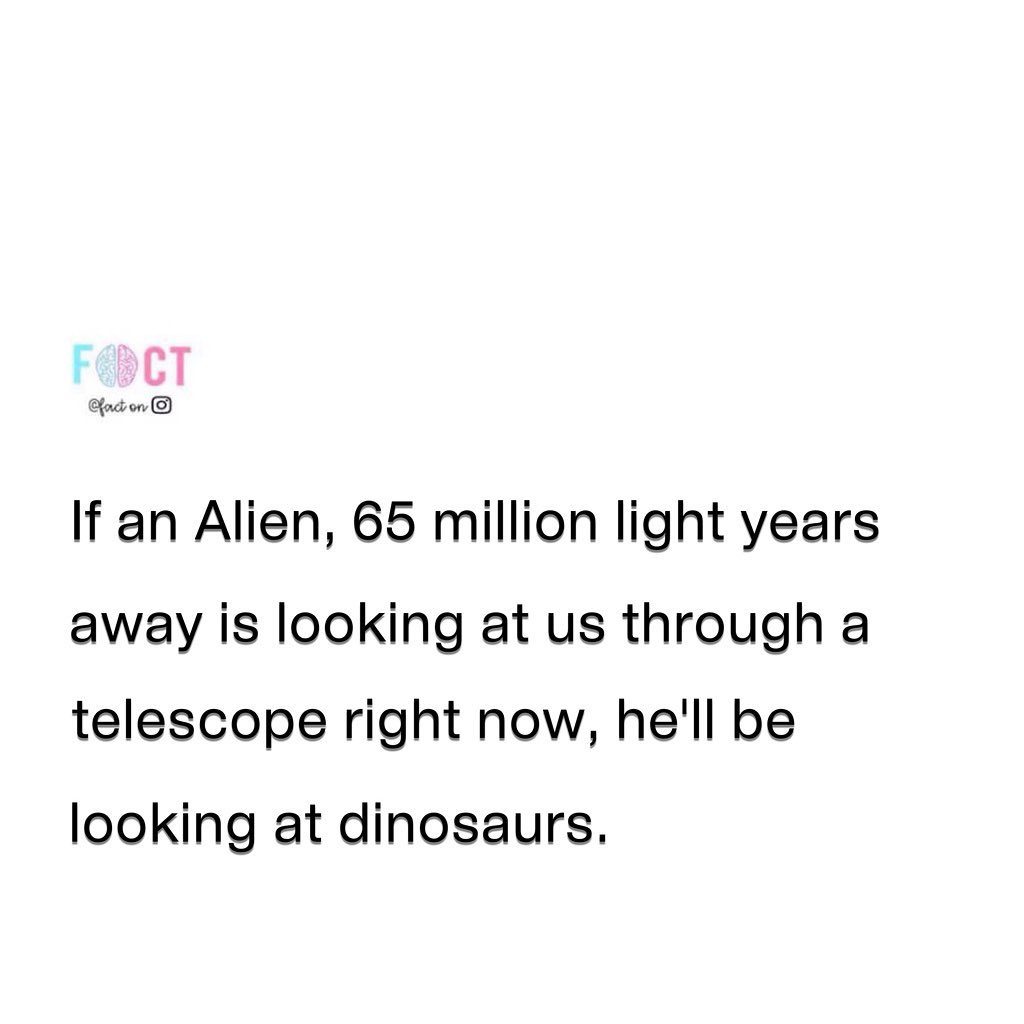
The vastness of the universe can be difficult to comprehend. Light, the fastest thing in the universe, takes millions of years to travel across space. If an alien 65 million light-years away were to observe Earth through a telescope, they would be seeing dinosaurs — not because dinosaurs still exist, but because it takes light that long to travel across such a cosmic distance.
Why This Matters
Understanding the immense scale of the universe and the time differences involved in observing distant objects can provide a profound perspective on our place in the cosmos. This concept, often referred to as the "cosmic perspective," can help us appreciate the vastness of space and the slow pace of light travel.
The Cosmic Timescale
The Speed of Light
Light travels incredibly fast, at approximately 300,000 kilometers per second. However, the distances in space are so vast that light takes an extremely long time to cover them. For example, light from the Sun takes about 8 minutes to reach Earth. Light from the nearest star outside our solar system, Proxima Centauri, takes about 4.2 years to reach us.
Light-Years and Distance
A light-year is a unit of distance that measures how far light travels in one year. One light-year is about 9.46 trillion kilometers. When we talk about distances in space, we often use light-years because the numbers are more manageable. For instance, the Andromeda Galaxy, our nearest major galaxy, is about 2.5 million light-years away. This means that the light we see from Andromeda today left the galaxy 2.5 million years ago.
Observing the Past
When we look at distant objects in space, we are essentially looking back in time. The light we see from those objects has been traveling through space for millions or even billions of years. This is why, if an alien were observing Earth from 65 million light-years away, they would see dinosaurs roaming the planet. The light that left Earth 65 million years ago is just now reaching that distant point in space.
Practical Tips for Understanding Cosmic Distances
Visualize with Scaling
One effective way to grasp the vastness of cosmic distances is to use scaling models. Imagine if the Sun were the size of a grapefruit. On this scale, Earth would be about the size of a pinhead and would be located about 15 meters (50 feet) away from the Sun. The nearest star, Proxima Centauri, would be about 40,000 kilometers (25,000 miles) away—almost the circumference of the Earth. This scaling model can help put into perspective just how far apart celestial objects are.
Use Interactive Tools
There are numerous interactive tools and visualizations available online that can help you explore the cosmos. Websites like the "Scale of the Universe" (HTTPS://scaleoftheuniverse.com) allow you to zoom in and out from the smallest subatomic particles to the largest structures in the universe. These tools can make the abstract concept of light-years more tangible.
Read and Learn
Reading about the cosmos can also deepen your understanding. Books like "Cosmos" by Carl Sagan and "The Fabric of the Cosmos" by Brian Greene provide engaging and accessible explanations of cosmic phenomena. These resources can help you appreciate the vastness of space and the time it takes for light to travel across it.
Important Takeaways
- The Speed of Light: While light travels incredibly fast, the distances in space are so vast that it takes millions or even billions of years for light to travel from one point to another.
- Catching up to the Light: When we observe distant objects in space, we are seeing them as they were in the past. The light we see today has been traveling through space for a very long time.
- The Cosmic Perspective: Understanding the vastness of space and the time it takes for light to travel can provide a profound perspective on our place in the universe. It can help us appreciate the slow pace of cosmic events and the interconnectedness of all things.
Conclusion
The idea that an alien 65 million light-years away would see dinosaurs if they looked at Earth through a telescope is a striking illustration of the vastness of space and the time it takes for light to travel. This concept, known as the cosmic perspective, can help us appreciate the incredible scale of the universe and the slow pace of cosmic events. By understanding the vastness of space and the time differences involved in observing distant objects, we can gain a deeper appreciation for our place in the cosmos.
Watch the Reel
Questions readers ask
How does observing distant galaxies help us understand the universe's history?
Observing distant galaxies allows us to see light that has traveled vast distances across space. Because light takes millions or even billions of years to reach us, we are effectively looking back in time. This helps us understand the universe's history and evolution over immense timescales.
Why do we see distant galaxies as they were in the past?
The light from distant galaxies takes an extraordinarily long time to travel through space. When we view these galaxies, we are seeing the light that left them millions or even billions of years ago. Thus, we perceive them as they appeared in the past, not as they are in the present.
How does the cosmic perspective relate to light travel?
The cosmic perspective highlights the immense scale of the universe and the slow pace of light travel. It helps us understand that the light from distant objects, such as galaxies, takes vast amounts of time to reach us, offering a unique view of the universe's history.
How can light take millions of years to travel from a distant galaxy?
Light travels at a finite speed, approximately 300,000 kilometers per second. Given the vast distances between galaxies, it takes millions or billions of years for light to traverse these expanses, revealing the immense scale of the universe and the time differences in observing distant objects.
What does it mean when we view galaxies that are millions of light-years away?
When we view galaxies that are millions of light-years away, we are seeing light that has taken millions of years to reach us. This means we are observing these galaxies as they appeared millions of years ago, not as they are in the present day.
Why can't we see galaxies as they are right now through a telescope?
The vast distances between us and distant galaxies mean that light takes a very long time to travel from them to us. Therefore, when we observe galaxies through telescopes, we are seeing them as they were in the past, not as they currently are, because the light is only now reaching us after its long journey through space.
Recent articles
Fresh deep dives from the latest Reels we unpacked.




Comments
Be the first to comment.