Falcon Migration: An Extraordinary Journey
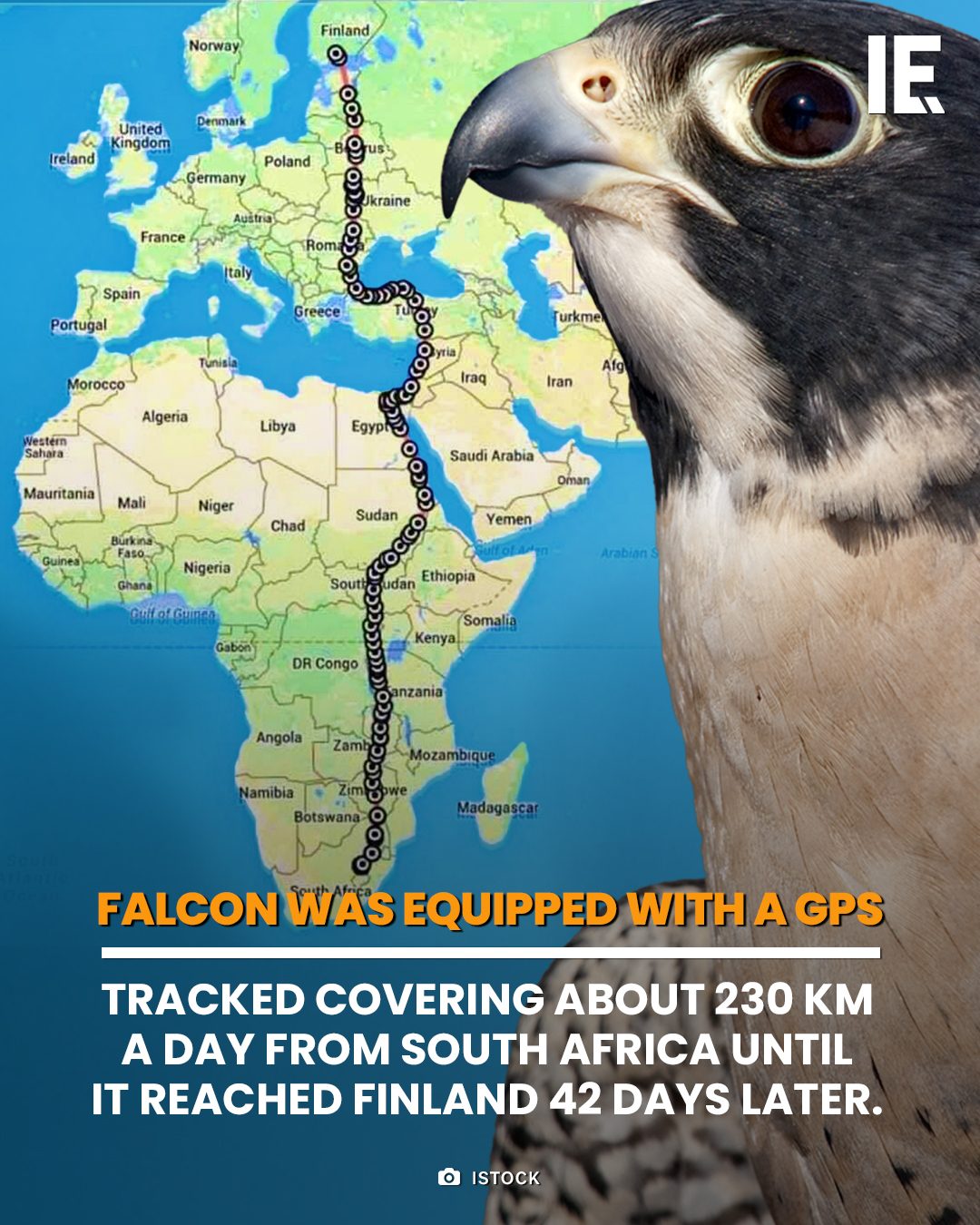
Falcon migration is a remarkable phenomenon that showcases the incredible navigational abilities and endurance of these birds. One particularly astonishing example involves a falcon that migrated from South Africa to Finland, covering an impressive distance over several weeks.
Context / Why This Matters
Understanding falcon migration provides valuable insights into the behaviors and capabilities of these magnificent birds. The journey of a GPS-tracked falcon from South Africa to Finland highlights the resilience and navigational skills of these avian travelers. The data collected from such migrations can inform conservation efforts, ecological studies, and our broader understanding of avian biology.
Main Discussion
The Journey
The falcon's journey from South Africa to Finland is a testament to its extraordinary endurance and navigational skills. Equipped with a GPS tracker, the falcon covered approximately 230 kilometers per day over 42 days. This GPS tracking system allowed researchers to monitor the bird's progress and gather detailed data on its route, speed, and resting periods.
Route and Distance
The migration route took the falcon through diverse landscapes, from the arid regions of South Africa to the cooler climates of Europe. The falcon navigated this journey with precision, covering roughly 230 kilometers daily. This consistent progress is a testament to the bird's remarkable navigational abilities and physical stamina.
GPS Tracking
The use of GPS technology played a crucial role in documenting this migration. By equipping the falcon with a GPS tracker, researchers were able to monitor its movements in real-time. This technology provided valuable data on the falcon's route, speed, and resting periods, offering a detailed insight into the bird's migratory behavior.
Practical Tips
For anyone interested in studying or appreciating falcon migration, here are some practical tips:
Observing Migration Patterns
Observing falcons during migration can be a rewarding experience. Look for key indicators such as changes in weather patterns, which often signal the start of migratory movements. Binoculars and spotting scopes can enhance your viewing experience, allowing you to observe these birds from a distance without disturbing their natural behavior.
Using Technology
GPS tracking and other technological advancements have revolutionized the study of bird migration. If you're serious about understanding these journeys, consider supporting or participating in projects that use GPS trackers to monitor bird movements. This technology can provide a wealth of data that can be used for conservation and research purposes.
Supporting Conservation Efforts
Supporting organizations that focus on falcon conservation is another practical way to engage with this fascinating topic. These groups often rely on public support to fund their research and conservation efforts, which are crucial for protecting falcon populations and their habitats.
Important Takeaways
- Endurance and Navigation: Falcons exhibit remarkable endurance and navigational skills during their migrations.
- GPS Technology: GPS tracking is a powerful tool for monitoring and studying falcon migrations.
- Conservation Efforts: Supporting conservation efforts can help protect these birds and their habitats.
- Technological Advances: Advances in technology have enhanced our ability to study and appreciate falcon migration.
Conclusion
The journey of a falcon from South Africa to Finland is a testament to the incredible capabilities of these birds. Equipped with a GPS tracker, the falcon's migration provided valuable data on its route, speed, and navigational skills. Understanding and appreciating falcon migration not only enriches our knowledge of these birds but also underscores the importance of conservation efforts. By supporting research and conservation initiatives, we can help ensure that these extraordinary journeys continue for generations to come.
Watch the Reel
Questions readers ask
How long did the falcon's journey from South Africa to Finland take?
The falcon's journey from South Africa to Finland took approximately 42 days, showcasing the bird's remarkable endurance and stamina over an extended period.
What technology was used to track the falcon's migration?
The falcon's migration was meticulously tracked using GPS technology, which provided a detailed look at the bird's daily progress and overall journey.
What can we learn from studying falcon migration?
Studying falcon migration offers insights into the navigational abilities and resilience of these birds. It also aids in conservation efforts, ecological studies, and understanding avian biology.
What is the significance of the falcon's migration route from South Africa to Finland?
The falcon's migration route from South Africa to Finland highlights the bird's extraordinary journey and navigational skills, covering a vast distance through diverse landscapes and climates.
How did the falcon navigate its journey?
Falcons use a combination of celestial cues, geomagnetic fields, and visual landmarks to navigate their long-distance journeys, demonstrating their exceptional navigational skills.
What challenges did the falcon face during its 42-day migration?
During its 42-day migration, the falcon faced various challenges such as changing weather conditions, diverse landscapes, and the need for regular rest and food sources to sustain its long journey.
What data is collected from tracking a falcon's migration?
Data collected from tracking a falcon's migration includes daily progress, rest stops, and the overall route taken, which can be used to create a bird migration map and further understand the bird's behavior and needs.
Related deep dives
Similar reads based on topic and creator.




Recent articles
Fresh deep dives from the latest Reels we unpacked.




Comments
Be the first to comment.