Unexpected Animal Hideouts
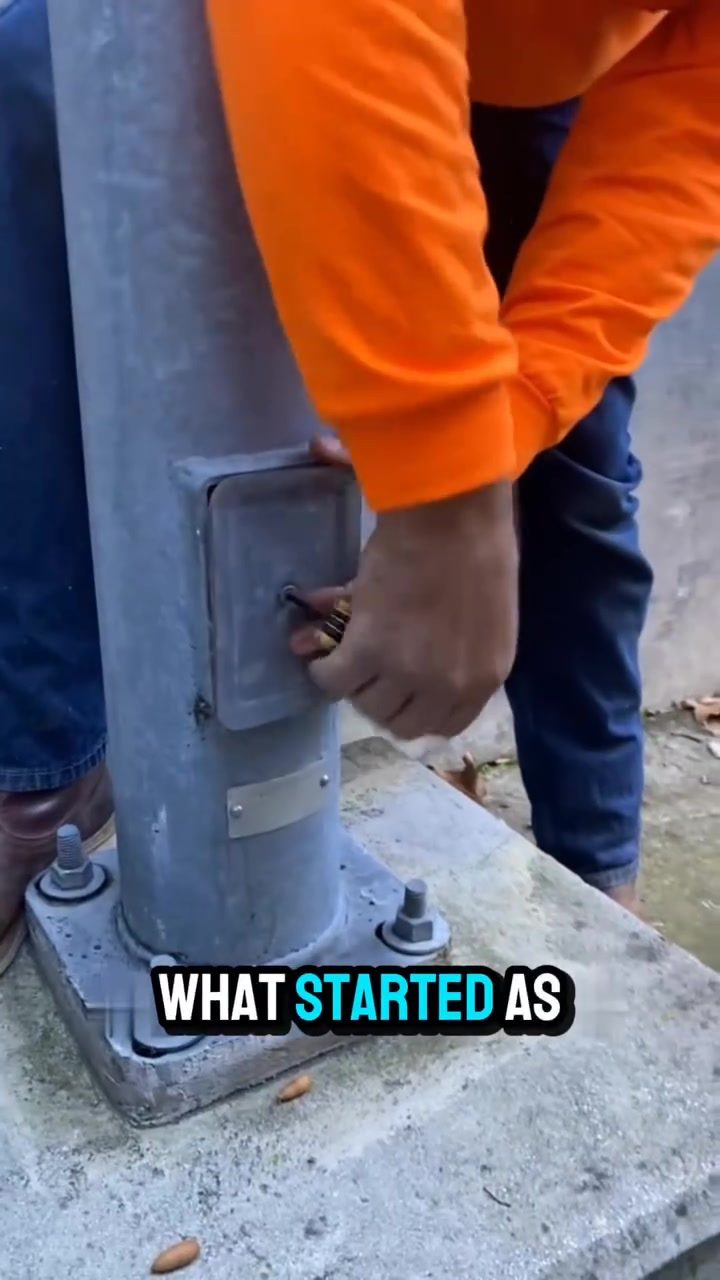
A routine TV antenna inspection turned into an incredible discovery. Inside the antenna mast, a homeowner found it completely stuffed with Brazil nuts, blocking the TV signal. These findings are not as rare as they seem.
Why This Matters
Squirrels and other hoarding animals play a crucial role in the ecosystem. Understanding their behaviors can provide insight into the natural world and the challenges they face due to human intervention.
The Incidents
Brazil Nuts in Antenna Mast
The Brazil nuts in the antenna mast were a surprising discovery. Squirrels often hide large amounts of food to survive the winter. They choose places they believe are perfectly safe, and this particular choice was inside a homeowner's antenna mast. When the homeowner cleared them out, the signal was still gone. Upon further inspection, they found even more Brazil nuts inside the antenna mast, causing a signal block.
Pine Nuts in Walls
While squirrels are notorious for hoarding, they aren't the only animals to do so. Another homeowner found his walls packed with pine nuts. After hours of digging, he removed an astonishing 635 pounds, all hidden there by hardworking woodpeckers. This discovery highlights the extent to which animals will go to ensure their survival.
The Role of Animals as Hoarders
Animation and other forest animals often hide food to ensure they have enough to eat during the winter. Squirrels and woodpeckers are known for their hoarding habits. They choose places they think are perfectly safe, which sometimes leads to unusual discoveries by humans.
What Homeowners Should Know
How to Identify Animal Hideouts
If you notice strange noises or find nuts in unusual places, it might indicate an animal hideout. Pay attention to any signs of animal activity, such as disturbed soil, feathers, or animal scat.
Dealing with Animal Hideouts
If you find an animal hideout in your home, it's essential to handle it carefully to avoid disturbing the animals. You can contact a local wildlife expert or pest control service for assistance.
If you find a large stash of nuts or other food items, it's best to leave them alone. Animals rely on these stashes for survival, and removing them can disrupt their food supply.
Important Takeaways
- Animals often choose unusual places to hide food, which can sometimes lead to unexpected discoveries by humans.
- Squirrels and woodpeckers are known for their hoarding habits and play a crucial role in the ecosystem.
- If you find an animal hideout, it's best to handle it carefully. You can contact a local wildlife expert or pest control service for assistance.
Conclusion
The discoveries of Brazil nuts in an antenna mast and pine nuts in walls highlight the fascinating behavior of squirrels and woodpeckers. These animals play a crucial role in the ecosystem and rely on their hoarding habits for survival. If you ever come across an animal hideout, it's essential to handle it carefully and respect the animals' natural behaviors.
Watch the Reel
Questions readers ask
Why do squirrels hide food in unusual places like antenna masts?
Squirrels have a natural instinct to hide food in places they deem safe for later consumption, especially to survive winter. These places can often seem unusual to humans, such as antenna masts, because these locations may provide shelter and safety from predators.
What should you do if you find an animal hoard in your property?
If you discover an animal hoard, it's important to leave it undisturbed if possible. These hoards are crucial for the animals' survival. If the hoard is causing an issue, like blocking a TV signal, consider contacting a local wildlife expert or professional for advice on safe relocation of the hoard.
How do animal hoards contribute to ecosystems?
Animal hoards contribute to ecosystems by aiding in seed dispersal. Many animals, like squirrels, do not consume all the food they hide; some of the seeds may then germinate and grow into new plants. This behavior assists in forest regeneration and maintaining biodiversity.
What types of animals besides squirrels are known for hoarding food?
While squirrels are one of the most well-known food hoarders, other animals such as woodpeckers, rabbits, and even some birds like jays also store food. They create caches for future use, often hiding food in crevices, burrows, or other concealed spots.
What challenges do urban animal hoarders face?
Urbans areas present unique challenges to animal hoarders. Human activity, construction, and environmental changes can disrupt or destroy their food caches. Additionally, the lack of natural habitats can force animals to find creative but sometimes risky places to hide their food, like antenna masts or walls within residential areas.
Are these hoarding behaviors common in urban environments?
Yes, animal hoarding behaviors are quite common in urban environments. Animals adapt to urban settings by finding innovative hiding spots for their food. These spots might seem unusual, such as antenna masts, walls, or even rooftops, but they serve the same purpose as natural hiding places.
How can understanding animal hoarding behavior help humans?
Understanding animal hoarding behavior can help humans appreciate the natural world more deeply. It also provides insights into how animals adapt to different environments, which can inform urban planning and wildlife conservation efforts. Additionally, it raises awareness about the importance of coexisting with wildlife in urban areas.
Related deep dives
Similar reads based on topic and creator.




Recent articles
Fresh deep dives from the latest Reels we unpacked.




Comments
Be the first to comment.