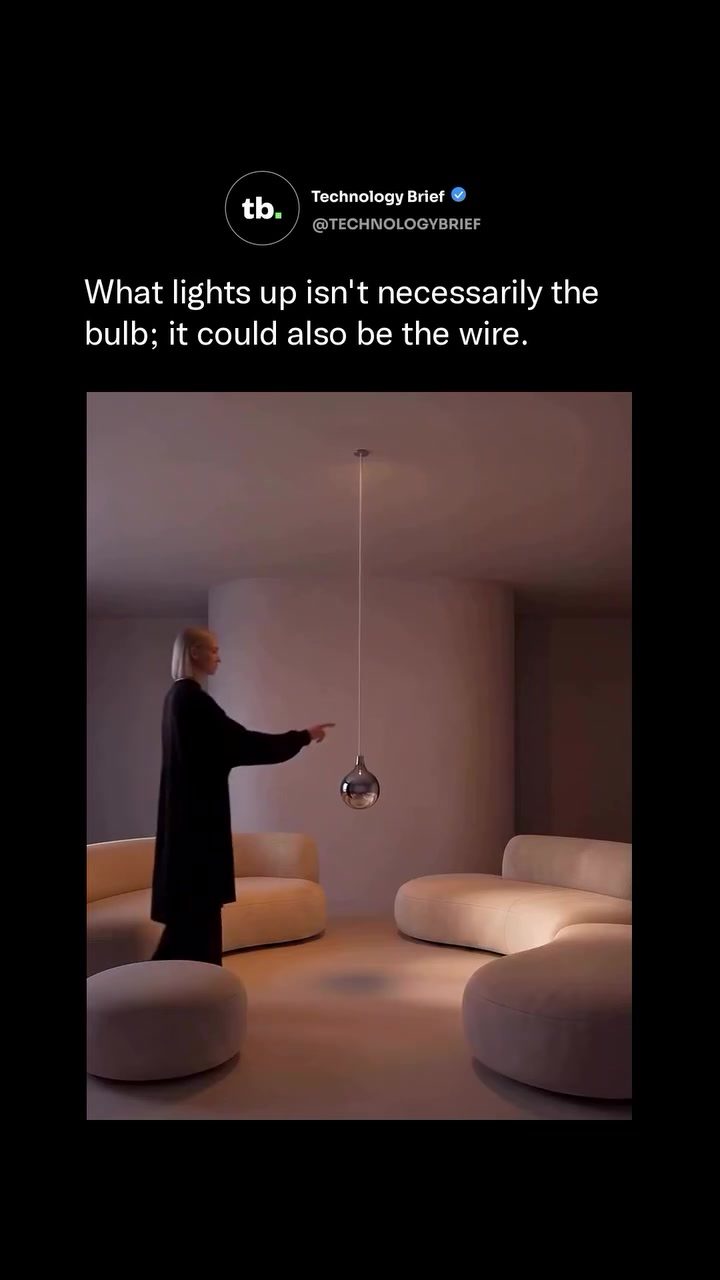
Smart Pendants: The Future of Home Lighting
Smart pendant lamps with touch-sensitive controls are revolutionizing home lighting design. These innovative fixtures allow users to adjust lighting with a simple tap, eliminating the need for remote controls or voice assistants. This transformation is driven by advancements in capacitive touch technology, which embeds sensors directly into the lamp’s casing. This technology reads electrical signals from a fingertip, triggering changes in the LED driver to produce a myriad of color combinations and brightness levels.
Context
As technology advances, so does our ability to integrate smart features into everyday home fixtures. Smart pendant lamps are a prime example of this evolution. Not only do they offer aesthetic appeal, but they also enhance functionality and convenience. The popularity of these lamps is a testament to how technology is reshaping our living spaces.
The Role of Capacitive Touch Technology
Capacitive touch technology is at the heart of these smart pendant lamps. This technology is similar to what is used in smartphone screens, making it intuitive and responsive. By embedding capacitive touch sensors into the lamp’s casing, the fixture can detect even the slightest touch, triggering changes in the lighting. This direct interaction allows users to switch from a warm amber glow to a bright white light with a single tap, providing a seamless and personalized lighting experience.
The technology works by reading the electrical signal from a fingertip, which is then translated into commands for the LED driver. This driver controls the LED lights embedded within the wire and housing of the fixture, allowing the entire lamp to glow. This setup not only provides a uniform and vibrant light output but also ensures that the fixture itself becomes a aesthetic element in the room.
The LED Revolution
The integration of LEDs into the wiring and housing of smart pendant lamps marks a significant shift in lighting design. Traditionally, LEDs were confined to the bulb itself, limiting their visual impact. By embedding LEDs throughout the fixture, the entire lamp can emit light, creating a more immersive and visually appealing environment. This design also aligns with the growing trend of minimalist interiors, where the goal is to eliminate visible switches and remotes, creating a clean and clutter-free space.
Market Trends and Growth
The smart lighting market is booming, with a valuation of over $13 billion in 2023. This growth is fueled by the increasing demand for connected, color-adjustable lighting solutions. Homeowners are increasingly opting for smart pendant lamps that offer customizable lighting options, enhancing both the aesthetics and functionality of their living spaces. As LED costs continue to drop, these high-tech fixtures are becoming more accessible, transforming from luxury items to standard features in new home builds.
Key Players in the Market
Leading brands like Philips Hue and LIFX are at the forefront of this revolution, offering lamps that can produce millions of color combinations. These lamps are fully adjustable, allowing users to tailor the lighting to their mood and preferences. The integration of touch and app controls adds another layer of convenience, making these fixtures incredibly user-friendly. By removing the need for external controls, these smart pendant lamps provide a seamless and uncluttered living experience.
The Aesthetic and Functional Appeal
One of the standout features of smart pendant lamps is their ability to enhance the ambiance of a room. The interplay of light and shadow, accentuated by the artistic design of these fixtures, creates a visually striking environment. The ability to switch from a soft, warm glow to a bright, energizing light with a single tap adds a dynamic element to lighting, making it a versatile tool for setting the mood in any space.
Practical Tips for Choosing Smart Pendant Lamps
When selecting smart pendant lamps, consider the following tips to ensure you make the best choice for your home:
- Assess Your Lighting Needs: Determine the primary function of the lamp. Will it be used for ambient lighting, task lighting, or accent lighting? Understanding your needs will help you choose the right type of smart pendant lamp.
- Check Compatibility: Ensure that the smart pendant lamp is compatible with your existing smart home system. Compatibility with voice assistants and other smart devices can enhance the functionality of your lighting.
- Evaluate Design and Aesthetics: Choose a design that complements your home decor. Smart pendant lamps come in various styles, from modern and minimalist to traditional and ornate, so you can find one that fits your aesthetic preferences.
- Consider Ease of Use: Look for lamps with intuitive controls. Touch-sensitive controls and app-based adjustments are standard features, but some models offer additional convenience features like voice control and automation.
- Energy Efficiency: Opt for LED-based smart pendant lamps. LEDs are energy-efficient and have a longer lifespan, making them a cost-effective choice in the long run.
Important Takeaways
Smart pendant lamps with touch-sensitive controls represent the future of home lighting. By integrating capacitive touch technology and LEDs into the fixture, these lamps offer a seamless and personalized lighting experience. The market for smart lighting is growing rapidly, driven by the demand for customizable and connected lighting solutions. Leading brands are continually innovating, making smart pendant lamps more accessible and user-friendly.
Conclusion
Smart pendant lamps are more than just a trend; they are a testament to how technology is enhancing our daily lives. By combining aesthetics, functionality, and convenience, these fixtures are transforming the way we light our homes. As the market continues to grow and evolve, we can expect even more innovative features and designs, making smart pendant lamps an essential part of modern home decor. Embrace the future of lighting and elevate your living space with smart pendant lamps.
Watch the Reel
Questions readers ask
How do smart pendant lamps with touch-sensitive controls enhance home lighting?
Smart pendant lamps with touch-sensitive controls enhance home lighting by allowing users to adjust brightness and color with simple gestures. This eliminates the need for additional controls, making the lighting experience more intuitive and seamless. Additionally, the capacitive touch technology integrated into these lamps offers a wide range of color and brightness options, providing a versatile lighting solution.
What is capacitive touch technology, and how does it work in smart lighting?
Capacitive touch technology involves embedding sensors into the surface of a device, which in this case, are smart pendant lamps. These sensors detect electrical signals from a user's fingertip, allowing for touch-sensitive controls. When a user taps the lamp, the sensors trigger changes in the LED driver, resulting in adjustments to brightness and color, offering a hands-on and intuitive way to customize your lighting.
Can smart pendant lamps help create different moods in a room?
Yes, smart pendant lamps can significantly help create different moods. With their ability to change color and brightness, these fixtures can produce various lighting atmospheres. For example, soft, warm light can create a cozy environment, while bright, cool light can enhance productivity and focus, thus integrating lighting into your everyday routines and lifestyle needs.
Are smart pendant lamps difficult to install and maintain?
Installing and maintaining smart pendant lamps is relatively straightforward. Like traditional pendant lamps, they are designed to be mounted on ceilings and connected to existing power systems. Most smart pendant lamps come with clear instructions and can be installed by following standard electrical guidelines. Regular maintenance involves simple cleaning of the lamp surface and occasional updates to the firmware for optimal performance.
What are some popular home lighting ideas that incorporate smart LED bulbs?
Incorporating smart LED bulbs into your home lighting design can transform your space in many ways. For example, you can use smart LED bulbs in under-cabinet lighting to create a modern, sleek look in your kitchen, or in floor lamps to set the perfect ambient lighting for living rooms. In bedrooms, smart LED bulbs can be programmed to gradually change brightness, mimicking natural sunlight and helping regulate your sleep cycle.
Can smart home lights be integrated with other smart devices in the home?
Yes, smart home lights, including smart pendant lamps, can often be integrated with other smart devices in the home. Many smart lighting systems are compatible with popular smart home platforms, allowing you to control your lights using apps, voice commands, or automated routines. This integration can enhance convenience, security, and energy efficiency in your home, creating a more cohesive and interconnected living environment.
Recent articles
Fresh deep dives from the latest Reels we unpacked.




Comments
Be the first to comment.