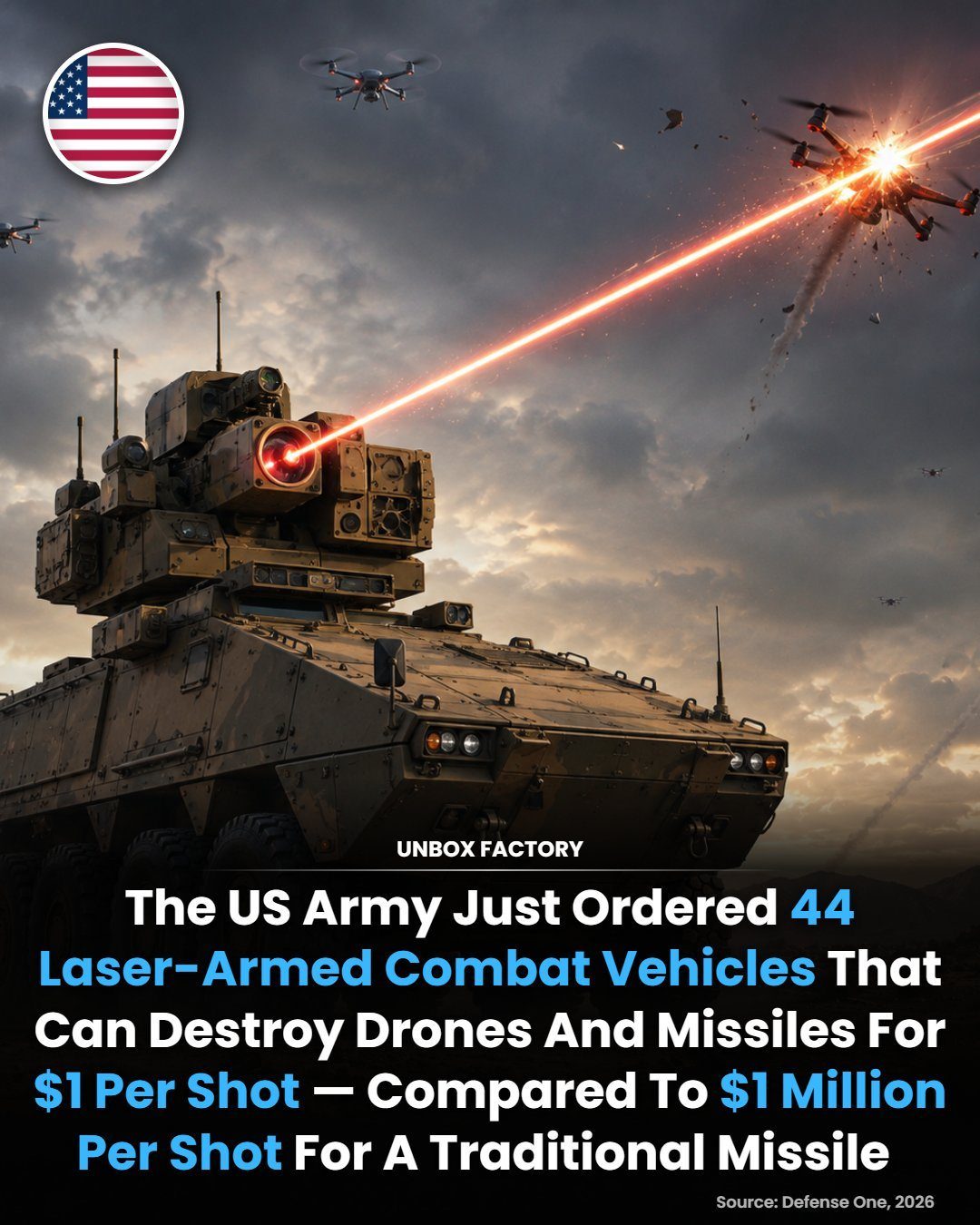
Laser Weapons in Military Technology: The US Army's New Combat Vehicles
Laser weapons are revolutionizing military technology, and the US Army's recent order of 44 laser-armed combat vehicles showcases this shift. These vehicles are equipped with high-energy directed-energy weapons designed to destroy drones, rockets, and some incoming missiles. This advancement is not just about firepower; it's about cost-effectiveness and strategic advantage.
How Laser Weapons Offer a Strategic Advantage
The primary advantage of laser weapons over traditional interceptors is cost. Conventional interceptors, which can cost anywhere from hundreds of thousands to over $1 million per missile, are expensive to deploy and maintain. In contrast, laser weapons primarily consume electricity, reducing the estimated cost per engagement to roughly $1. This significant reduction in cost per shot makes laser weapons a far more economical choice for repeated engagements.
Moreover, laser weapons offer a deep magazine, meaning they can engage targets repeatedly without the need to reload conventional ammunition. This capability is particularly valuable in scenarios where traditional air-defense systems might be overwhelmed by inexpensive drone swarms. The rapid rise of drone technology has made it a potent threat, and laser weapons provide a more effective countermeasure.
The Technology Behind Laser Weapons
Laser weapons operate on the principle of directed energy, using concentrated light beams to destroy targets. The combat vehicles are equipped with high-energy lasers that can reach high temperatures, making them ideal for neutralizing incoming threats. The technology involves several components, including powerful lasers, energy sources, and a cooling system to manage the heat generated during operation.
These systems are not just about raw power; they also incorporate advanced targeting and tracking systems. These systems enable precise targeting of drones and missiles, ensuring that the laser's energy is efficiently used. The combination of high energy and precision targeting makes laser weapons a formidable asset in modern warfare.
The Practical Benefits of Laser Weaponry
One of the most significant practical benefits of laser weapons is their cost-efficiency. As mentioned, the cost per shot is drastically reduced compared to traditional missiles. This makes laser weapons a viable option for frequent engagements, reducing the overall financial burden on military budgets. Furthermore, the ability to engage targets repeatedly without reloading ammunition means that military units can sustain their defensive capabilities over extended periods.
Another key benefit is the speed at which laser weapons can engage targets. Lasers travel at the speed of light, meaning they can neutralize threats almost instantaneously. This speed is crucial in modern combat scenarios, where split-second decisions can make a significant difference. The rapid response capability of laser weapons enhances the overall defensive posture of military units, providing a critical edge in high-stakes situations.
The Future of Military Technology
The integration of laser weapons into military combat vehicles represents a significant step forward in military technology. The US Army's order of 44 laser-armed combat vehicles underscores the growing importance of directed-energy weapons in modern warfare. As the threat landscape evolves, with drone swarms and other advanced technologies becoming more prevalent, the need for effective and cost-efficient countermeasures becomes increasingly pressing.
The development and deployment of laser weapons are part of a broader trend in military technology toward more advanced and efficient systems. The focus on cost-effectiveness, precision, and speed highlights the evolving nature of military strategy, where technology plays a pivotal role in determining the outcomes of conflicts.
Practical Tips for Understanding Laser Weapons
Research and Development
For those interested in the practical applications of laser weapons, staying informed about the latest research and development in this field is crucial. Keeping up with military technology journals, attending conferences, and engaging with experts in the field can provide valuable insights into the evolving landscape of directed-energy weapons.
Educational Resources
Learning about the science behind laser weapons can also be beneficial. Understanding the principles of directed energy, the components of laser weapon systems, and the engineering challenges involved can provide a deeper appreciation for the technology's potential.
Staying Informed
Following news and developments from reputable sources like Defense One can help you stay informed about the latest advancements in military technology. Keeping up with real-world applications and strategic implications will give you a comprehensive understanding of how laser weapons are being integrated into modern defense systems.
Important Takeaways
The US Army's adoption of laser-armed combat vehicles marks a significant advancement in military technology. Laser weapons offer a cost-effective and strategic advantage, particularly in countering the growing threat of drone swarms. These systems not only reduce the cost per engagement but also provide deep magazines and rapid response capabilities, making them a game-changer in battlefield air defense.
Conclusion
The integration of laser weapons into military combat vehicles represents a pivotal moment in the evolution of military technology. As the US Army deploys these advanced systems, the strategic and practical benefits of laser weapons become increasingly apparent. The cost-effectiveness, precision, and speed of laser weapons make them a valuable asset in modern warfare, offering a robust defense against emerging threats. Understanding this technology and its implications is essential for anyone interested in the future of military strategy and defense systems.
Watch the Reel
Questions readers ask
How do laser weapons differ from traditional interceptors in terms of cost?
Laser weapons are significantly more cost-effective than traditional interceptors. While interceptors can cost from hundreds of thousands to over $1 million each, laser weapons primarily use electricity, making them far more affordable for repeated engagements.
What types of threats can the US Army's laser-armed combat vehicles counter?
The laser-armed combat vehicles are designed to counter a variety of threats, including drones, rockets, and some incoming missiles. This makes them a versatile addition to the Army's defense capabilities against modern battlefield threats.
What is the primary strategic advantage of deploying laser weapons on combat vehicles?
The primary strategic advantage is the significant reduction in cost per engagement. Laser weapons can be fired repeatedly without the need for reloading or costly replacements, providing a more sustainable and economical defense solution
How do laser weapons enhance the US Army's combat vehicle upgrade plans?
Laser weapons enhance the Army's combat vehicle upgrade plans by adding a high-tech, cost-effective defense mechanism. This upgrade allows vehicles to engage and neutralize airborne threats more efficiently, offering a strategic edge.
What makes laser-armed combat vehicles a cost-effective defense solution?
These vehicles are a cost-effective defense solution because they eliminate the need for expensive reloads and replacements. By using electricity as their primary power source, they reduce operational costs and increase the frequency of engagements.
What is the significance of the US Army's order of 44 laser-armed combat vehicles?
The order signifies the Army's commitment to leveraging advanced technology for defense. Equipping 44 combat vehicles with laser weapons demonstrates a strategic shift towards countering modern threats like drones and missiles in a more cost-effective manner.
How do high-energy laser weapons benefit the US Army's defense strategy against drones?
High-energy laser weapons provide a rapid response capability against drones, which are increasingly used in modern warfare. These weapons can quickly and accurately target and neutralize drones, offering a reliable countermeasure to this rising threat.
Related deep dives
Similar reads based on topic and creator.




Recent articles
Fresh deep dives from the latest Reels we unpacked.




Comments
Be the first to comment.