Utility Pole Replacement
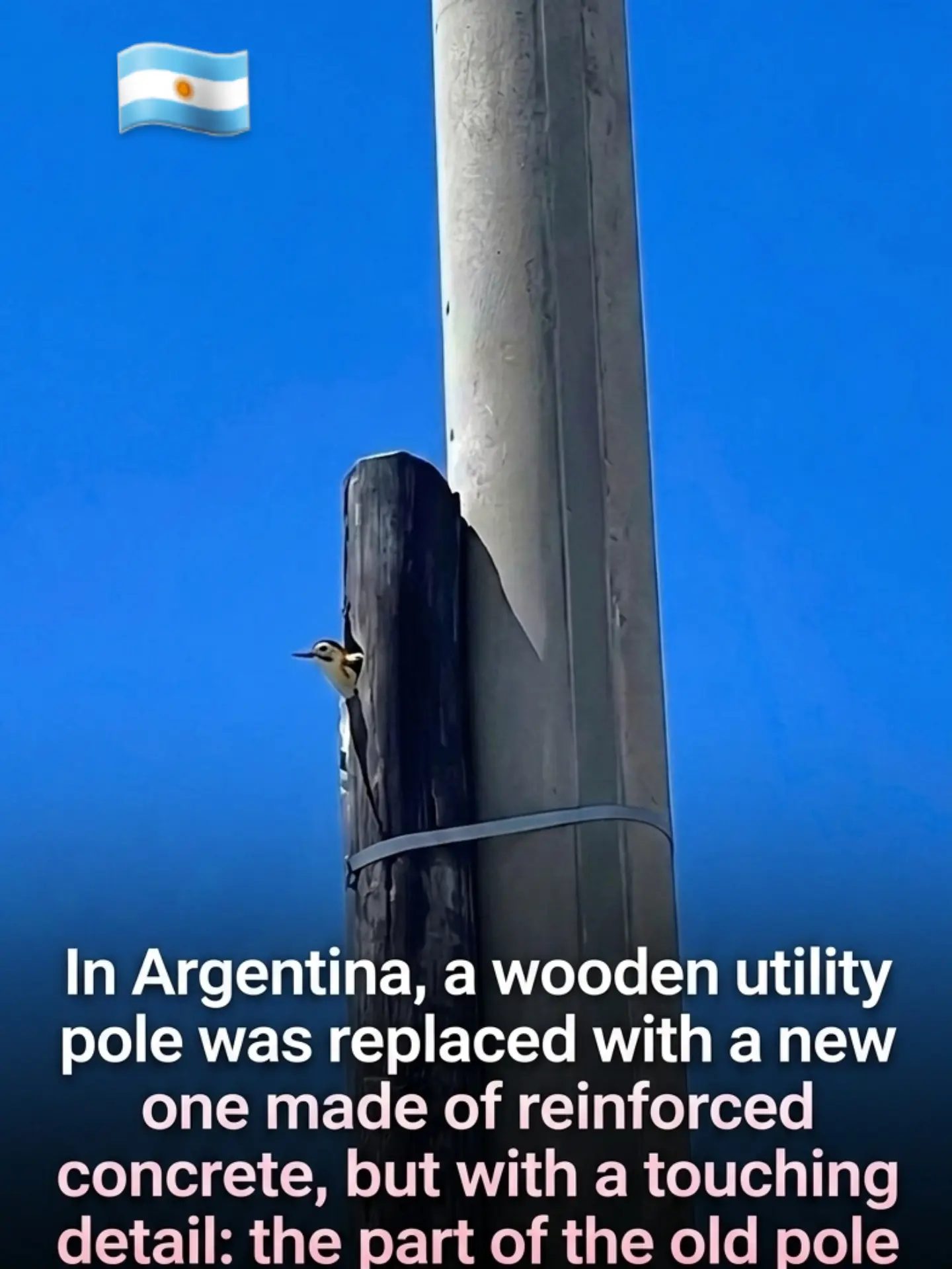
In Argentina, an old wooden utility pole was replaced with a new one made of reinforced concrete. This replacement process showed a remarkable level of consideration for wildlife. It was discovered that a family of woodpeckers had made a home inside the old pole. Instead of destroying the nest, the utility workers found a thoughtful solution.
Why This Matters
Utility pole replacements are a common infrastructure maintenance task that ensures the reliability of power and communication services. However, this case in Argentina highlights the importance of considering the impact on local wildlife. The decision to preserve the woodpecker’s home demonstrates a conscientious approach to infrastructure projects, emphasizing the coexistence of urban development and wildlife conservation.
Main Discussion
The Importance of Wildlife Conservation
Infrastructure projects often involve the replacement or upgrading of utility poles. While these projects are essential for maintaining and improving services, they can pose a threat to local wildlife. Woodpeckers, for instance, often nest in utility poles, especially in areas where natural habitats have been reduced.
Preserving Wildlife Habitats
The thoughtful approach taken by the utility workers in Argentina showcases the importance of preserving wildlife habitats. By carefully cutting out the section of the old pole that contained the woodpecker’s home and attaching it to the new concrete pole, the workers ensured that the woodpeckers would not be displaced. This action highlights the significance of integrating wildlife conservation into infrastructure projects. It also underscores the need for utility companies to be mindful of the environmental impact of their operations.
Innovative Solutions for Wildlife Concerns
The innovative solution employed by the utility workers in Argentina sets a precedent for other infrastructure projects. Instead of treating wildlife as an obstacle, the workers found a way to accommodate the needs of the woodpeckers while still completing their task. This approach not only benefits the wildlife but also enhances the reputation of the utility company, showcasing their commitment to environmental stewardship and community well-being.
The Role of Community Engagement
Community engagement plays a crucial role in ensuring that infrastructure projects are carried out responsibly. The workers' decision to preserve the woodpecker’s home was likely influenced by community values and expectations. By taking into account the well-being of local wildlife, the utility company demonstrated its commitment to community values and sustainability.
Environmental Regulations and Best Practices
In many regions, environmental regulations mandate that infrastructure projects must consider the impact on local wildlife. This involves conducting environmental impact assessments and implementing best practices to mitigate adverse effects. The case in Argentina serves as a practical example of how these regulations can be effectively implemented, fostering a harmonious relationship between development and conservation.
Benefits of Preserving Wildlife Habitats
Preserving wildlife habitats is not just about ethical considerations; it also has practical benefits. Woodpeckers, for instance, play a crucial role in pest control by feeding on insects that can damage trees and crops. By preserving their habitats, utility companies can contribute to maintaining the ecological balance, which is essential for sustainable development.
Practical Tips
For Utility Companies
- Conduct Environmental Assessments: Before starting any infrastructure project, conduct thorough environmental assessments to identify potential impacts on local wildlife.
- Engage with the Community: Engage with local communities to understand their values and concerns regarding wildlife. This engagement can guide the implementation of environmentally responsible practices.
- Develop Innovative Solutions: Encourage innovative solutions that balance the need for infrastructure development with the preservation of wildlife habitats.
- Adopt Best Practices: Follow best practices for wildlife conservation, such as avoiding disturbance during breeding seasons, and creating alternative habitats when necessary.
For Wildlife Conservationists
- Advocate for Stronger Regulations: Advocate for stronger environmental regulations that mandate the consideration of wildlife in infrastructure projects.
- Promote Community Collaboration: Encourage collaboration between conservationists, utility companies, and local communities to promote sustainable practices.
- Educate the Public: Educate the public about the importance of preserving wildlife habitats and the role they can play in supporting these efforts.
For the Public
- Report Wildlife Concerns: If you notice wildlife being affected by infrastructure projects in your area, report it to the relevant authorities and utility companies. This can help raise awareness and prompt action.
- Support Sustainable Practices: Support and advocate for sustainable practices in your community, encouraging utility companies to adopt environmentally responsible approaches.
Important Takeaways
Utility pole replacements are a necessary part of maintaining infrastructure, but they should not come at the cost of local wildlife. The example from Argentina underscores the importance of considering environmental impacts and finding innovative solutions to preserve wildlife habitats. By adopting best practices and engaging with the community, utility companies can ensure that their projects are carried out responsibly, benefiting both humans and wildlife.
Conclusion
The utility pole replacement in Argentina showcases a thoughtful and sustainable approach to infrastructure projects. By preserving the woodpecker’s home, the workers demonstrated a commitment to wildlife conservation and community values. This example serves as a model for other infrastructure projects, highlighting the need to balance development with environmental responsibility. Through innovative solutions, community engagement, and adherence to best practices, we can ensure that our infrastructure projects not only serve their intended purpose but also contribute to the well-being of local wildlife and the environment.
Watch the Reel
Questions readers ask
Why did the utility workers in Argentina decide to preserve the woodpecker's nest during the pole replacement?
The utility workers prioritized the well-being of the local wildlife, specifically a family of woodpeckers, and integrated their nest into the new pole. This decision was a demonstration of Argentina's commitment to coexisting with wildlife, showcasing that infrastructure projects can be carried out with minimal disruption to local ecosystems.
What type of material was used for the new utility pole in this Argentine project?
The new utility pole was made of reinforced concrete, which is known for its durability and longevity. This material choice ensures the reliability of power and communication services while also providing a sturdy structure for the woodpecker nest.
How can other utility companies ensure their pole replacements are wildlife-friendly?
Utility companies can adopt similar practices by assessing the poles for wildlife activity before replacement. If a nest is found, companies can design the new pole to accommodate or safely relocate the nest. This involves careful planning and collaboration with wildlife experts to ensure the safety and well-being of the animals.
What are the benefits of designing utility poles with wildlife conservation in mind?
Designing utility poles with wildlife conservation in mind promotes biodiversity and supports local ecosystems. Moreover, it enhances the reputation of utility companies as environmentally responsible entities and fosters goodwill with local communities who value wildlife.
What steps can utility workers take to safely relocate a woodpecker's nest during a pole replacement?
If relocating the nest is necessary, workers should first consult with wildlife experts to determine the best course of action. This might involve temporarily moving the nest to a nearby tree or installing a new nest box on the new pole, ensuring the nest is placed at a suitable height and location for the woodpeckers.
How does preserving a woodpecker's nest during a utility pole replacement impact the local ecosystem?
Preserving a woodpecker's nest helps maintain the local ecosystem by ensuring the survival of the woodpecker family and their role in the food chain. Woodpeckers contribute to pest control and habitat creation for other species, so by safeguarding their nests, the overall health and balance of the ecosystem are supported.
What are the key considerations when designing a new utility pole to integrate a woodpecker's nest?
Key considerations include the structural integrity of the pole, the placement of the nest to ensure the safety of the birds, and the use of materials that are compatible with the nesting habitat. Additionally, the design should allow for easy monitoring and maintenance to ensure the well-being of the woodpeckers over time.
Related deep dives
Similar reads based on topic and creator.
Recent articles
Fresh deep dives from the latest Reels we unpacked.




Comments
Be the first to comment.