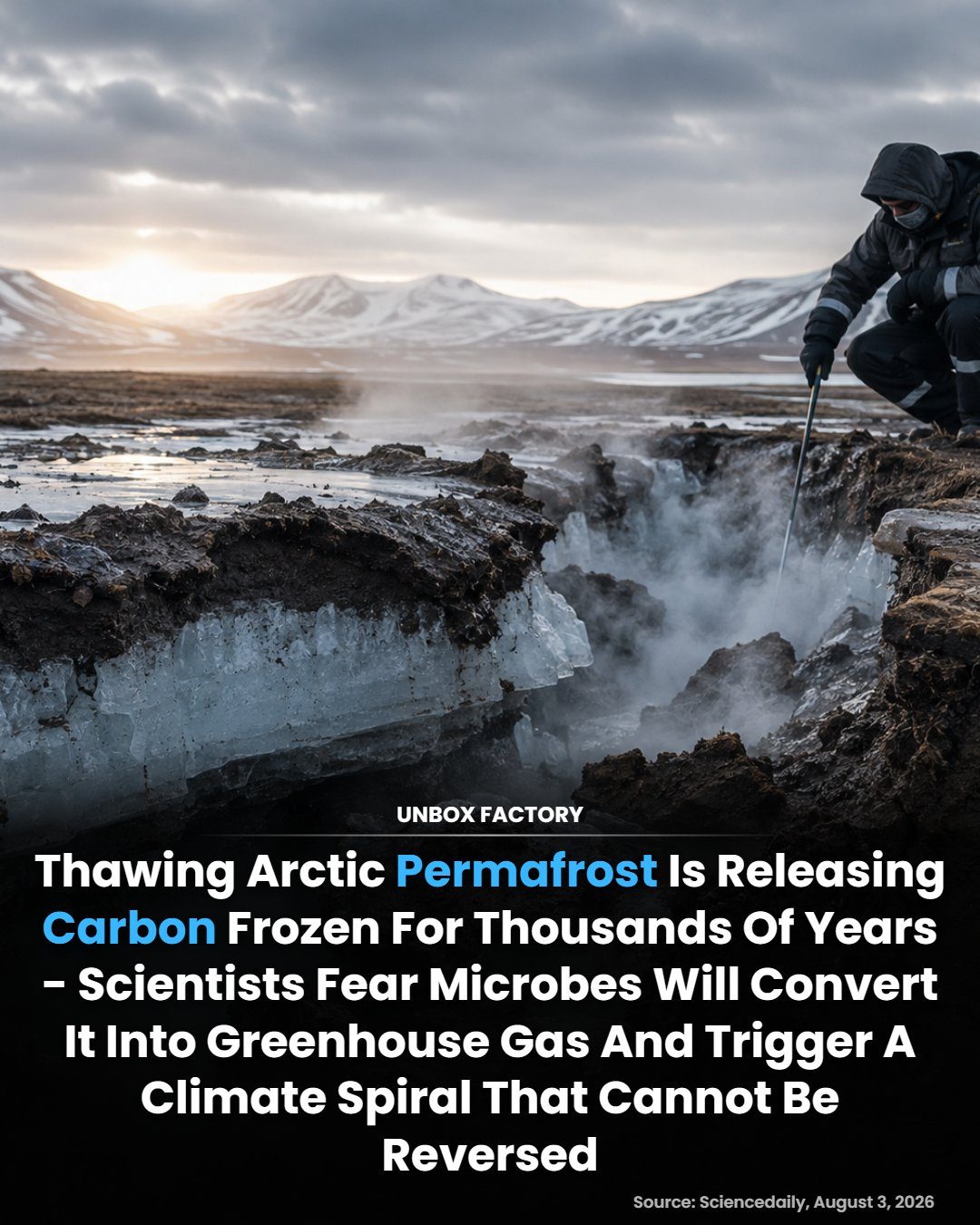
Arctic Permafrost Thawing
The Arctic permafrost, a vast expanse of frozen soil that has remained solid for thousands of years, is undergoing significant thawing due to rapidly warming temperatures. This process is releasing ancient organic material that had been locked away, potentially triggering a climate spiral that could be difficult to reverse.
Why This Matters
The Arctic permafrost stores an estimated 1.5 trillion tonnes of carbon, roughly twice as much carbon as currently exists in Earth's atmosphere. As the permafrost thaws, microbes decompose the organic material, producing carbon dioxide and methane—two powerful greenhouse gases that accelerate global warming. This makes the issue of permafrost thawing a critical concern for global climate stability.
Main Discussion
The Process of Permafrost Thawing
Permafrost is soil that remains frozen for at least two consecutive years. It contains a significant amount of organic material that has been frozen for thousands of years. As the Arctic warms, this frozen soil begins to thaw, releasing the stored carbon. The process is complex and involves both physical and biological factors.
The Role of Microbes
When permafrost thaws, microbes that have been dormant for millennia become active. These microbes decompose the ancient organic material, converting it into carbon dioxide and methane. These gases are then released into the atmosphere, where they contribute to the greenhouse effect, further warming the planet.
The Feedback Loop
The release of greenhouse gases from thawing permafrost creates a feedback loop that can accelerate climate change. As the Earth warms, more permafrost thaws, releasing more greenhouse gases, which in turn cause more warming. This cycle can be difficult to break, making it increasingly challenging to manage global emissions.
The Impact on Global Climate
The thawing of Arctic permafrost has the potential to significantly impact the global climate. The release of large amounts of carbon dioxide and methane could exacerbate global warming, leading to more extreme weather events, rising sea levels, and other climatic changes. The consequences of this thawing process could be far-reaching and long-lasting, affecting ecosystems and human societies around the world.
Practical Tips
Monitoring Permafrost Thawing
Scientists are actively monitoring permafrost thawing to better understand the extent and impact of this process. Techniques such as satellite imaging, ground-based measurements, and modelling help track changes in permafrost coverage and identify areas at risk. This information is crucial for developing strategies to mitigate the effects of thawing permafrost.
Reducing Greenhouse Gas Emissions
One of the most effective ways to mitigate the impacts of permafrost thawing is to reduce greenhouse gas emissions. By lowering the overall amount of carbon dioxide and methane in the atmosphere, we can slow down the warming of the Arctic and reduce the rate at which permafrost thaws. This involves transitioning to renewable energy sources, improving energy efficiency, and implementing sustainable practices in various sectors.
Protecting Ecosystems
Protecting and restoring ecosystems in the Arctic can also help mitigate the effects of permafrost thawing. Healthy ecosystems, such as forests and wetlands, can absorb carbon dioxide from the atmosphere, helping to reduce the overall concentration of greenhouse gases. Additionally, preserving these ecosystems can help maintain the integrity of the permafrost, making it less susceptible to thawing.
Community Involvement
Local communities in the Arctic are often the first to experience the impacts of permafrost thawing. Engaging these communities in monitoring and mitigation efforts is essential. Their traditional knowledge and firsthand experience can provide valuable insights into the changes occurring in their environment and help develop effective strategies for adaptation and resilience.
Important Takeaways
- Permafrost thawing is releasing ancient organic material, which is being decomposed by microbes into greenhouse gases.
- The feedback loop created by this process can accelerate global warming, making it difficult to manage.
- Reducing greenhouse gas emissions, monitoring permafrost, and protecting ecosystems are crucial steps in mitigating the impacts of permafrost thawing.
Conclusion
The thawing of Arctic permafrost is a complex and critical issue that requires immediate attention. By understanding the processes involved, monitoring the changes, and taking practical steps to mitigate the impacts, we can work towards a more stable and sustainable future for our planet. It is essential to address this issue comprehensively, from reducing emissions to protecting ecosystems and involving local communities, to ensure the health of our environment for generations to come.
Watch the Reel
Questions readers ask
What is Arctic permafrost and why is its thawing a concern?
Arctic permafrost refers to soil that remains frozen year-round for at least two consecutive years. It is a concern because it stores vast amounts of ancient carbon, which, when released through thawing, can accelerate global warming by increasing greenhouse gas emissions.
How much carbon is stored in Arctic permafrost?
The Arctic permafrost holds approximately 1.5 trillion tons of carbon, which is more than double the amount currently present in the Earth's atmosphere. This makes it a significant factor in potential future climate changes.
What gases are released when permafrost thaws?
When permafrost thaws, microorganisms decompose the organic material, releasing carbon dioxide and methane. These are potent greenhouse gases that contribute to the warming of the planet.
What are the potential impacts of permafrost thawing on climate stability?
The thawing of permafrost can lead to a significant increase in greenhouse gases, which can cause a feedback loop where more warming leads to more thawing. This could make it challenging to reverse the effects of climate change and maintain Arctic climate stability.
What is the projected timeline for significant permafrost thawing?
While it is difficult to pinpoint an exact year, projections indicate that significant thawing will continue through 2026 and beyond, influenced by current and future warming trends.
Related deep dives
Similar reads based on topic and creator.


Recent articles
Fresh deep dives from the latest Reels we unpacked.



Comments
Be the first to comment.