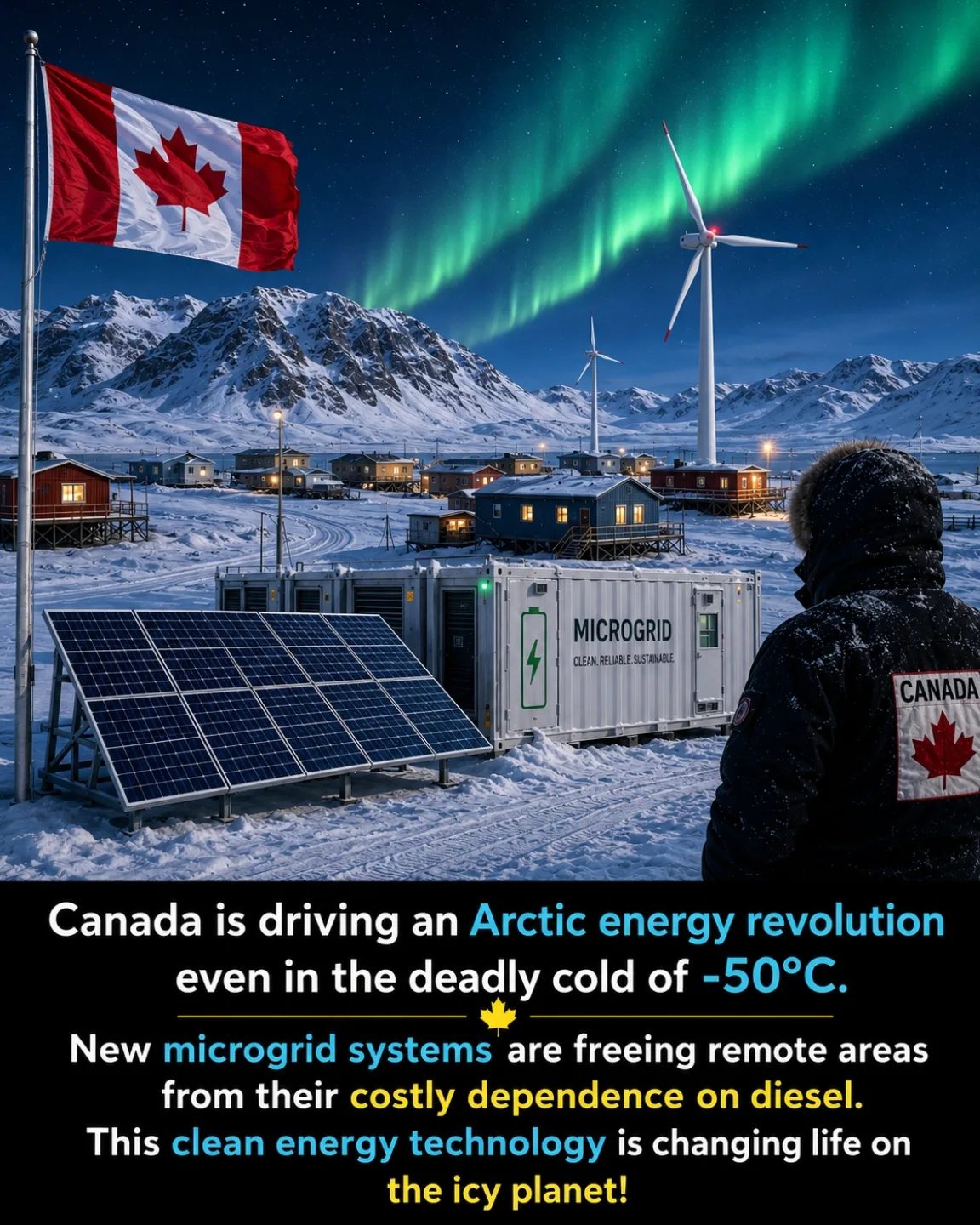
Arctic Microgrid Energy
MICROGRID systems are revolutionizing the way remote Arctic communities access energy. These advanced systems combine solar panels, battery storage, and wind turbines to provide clean, reliable, and sustainable power even in the harshest conditions.
Why this matters
In the vast and isolated regions of the Arctic, traditional energy sources like diesel fuel are not only environmentally damaging but also logistically challenging to supply. Microgrid systems offer a viable alternative, significantly reducing dependence on fossil fuels and lowering greenhouse gas emissions. They also provide a more stable and cost-effective energy supply, which is crucial for the well-being of remote communities.
Main discussion
The Technology Behind Microgrid Systems
Microgrid systems are designed to integrate various renewable energy sources seamlessly. Solar panels harness the sun's energy, while wind turbines convert wind power into electricity. These sources feed into a centralized battery storage system, ensuring a consistent power supply even during periods of low solar or wind activity.
The Chill Factor
One of the standout features of the MICROGRID system is its ability to operate in extremely cold temperatures, down to -50°C. This is achieved through advanced materials and engineering techniques that ensure the system's components remain functional despite the harsh Arctic environment.
Solar Panels
Solar panels in the Arctic face unique challenges, particularly during the long, dark winter months. However, MICROGRID systems are equipped with ultra-durable solar panels that can withstand extreme weather conditions and still generate power efficiently.
Battery Storage
Battery storage is pivotal for the reliability of the microgrid. Advanced battery technologies ensure that energy generated during peak production times can be stored and used during periods of low generation. This guarantees a steady supply of electricity to the community.
Wind Turbines
Wind turbines are another essential component. The Arctic's constant winds provide a reliable source of power, and the turbines are designed to operate efficiently even in sub-zero temperatures.
Impact on Remote Communities
The introduction of microgrid systems has had a transformative impact on remote Arctic communities. Clean, reliable energy means improved living conditions, better healthcare, and enhanced educational opportunities. Additionally, the reduced need for diesel fuel supply reduces the environmental footprint and mitigates the risk of oil spills and other environmental hazards.
Reducing Dependence on Diesel
One of the primary aims of microgrid systems is to reduce dependence on diesel fuel. Diesel has traditionally been the go-to energy source for remote communities due to its reliability and simplicity of use. However, the logistics of transporting and storing diesel, along with its environmental impact, make it a less desirable option. Microgrid systems provide a sustainable alternative.
Environmental Benefits
The environmental benefits of using microgrid systems in the Arctic are profound. By reducing reliance on diesel, these systems significantly lower greenhouse gas emissions. The use of renewable energy sources helps to preserve the pristine Arctic environment. This is not only beneficial for the local ecosystems but also for the global climate.
Practical tips
Installing a microgrid system in an Arctic community is a complex task that requires careful planning and execution. Here are some practical tips for those considering such a project:
-
Assess Renewable Energy Sources: Begin with a comprehensive assessment of available solar, wind, and other renewable energy sources in the region. This will help determine the optimal configuration for the microgrid.
-
Choose High-Quality Components: Invest in high-quality, durable components designed to withstand extreme Arctic conditions. This includes solar panels, wind turbines, and battery storage systems.
-
Plan for Maintenance: Establish a robust maintenance plan to ensure the long-term reliability of the system. Regular check-ups and repairs are essential, especially in harsh environments.
-
Community Involvement: Engage the local community in the planning and implementation process. Their input and support are crucial for the success and sustainability of the microgrid.
Important takeaways
Arctic microgrid systems offer a revolutionary approach to providing clean, reliable, and sustainable energy in remote Arctic communities.
- Clean and Reliable Energy: The combination of solar, wind, and battery storage provides a dependable power supply, reducing the need for diesel fuel.
- Environmental Impact: Microgrid systems significantly reduce greenhouse gas emissions, contributing to global climate goals and preserving the Arctic environment.
- Community Benefits: The technology improves living standards, enhances healthcare, and supports educational initiatives in remote communities.
Conclusion
The MICROGRID system represents a significant advancement in renewable energy technology, particularly in the challenging conditions of the Arctic. By providing clean, reliable, and sustainable energy, these systems are transforming the lives of remote communities and contributing to a greener future.
Watch the Reel
Questions readers ask
How do Arctic microgrid systems function in extreme cold conditions?
Arctic microgrid systems are designed with specialized components that can withstand extreme cold. Solar panels in these systems are built to efficiently capture sunlight even in low temperatures, and wind turbines are engineered to operate reliably in harsh, icy conditions. Battery storage systems are also insulated and heated to maintain optimal performance.
What are the primary benefits of using microgrids in remote Arctic communities?
The primary benefits include reduced dependence on diesel fuel, which lowers greenhouse gas emissions. Microgrids also provide a more stable and cost-effective energy supply, which is crucial for the well-being of isolated communities. Additionally, they enhance energy independence and resilience in remote areas.
Can microgrid systems in the Arctic operate year-round?
Yes, Arctic microgrid systems are designed to operate year-round. They integrate various renewable energy sources, such as solar and wind, and use battery storage to ensure a continuous power supply, even during the long, dark winter months. Advanced control systems optimize energy usage and storage to maintain reliability.
How do Arctic microgrid systems help achieve energy independence for remote communities?
Arctic microgrid systems help achieve energy independence by generating power locally from renewable sources. This reduces the need for fuel transportation, which is often logistically challenging and environmentally harmful. By relying on local energy production, communities can become more self-sufficient and less dependent on external energy supplies.
What role do battery storage systems play in Arctic microgrids?
Battery storage systems play a crucial role in Arctic microgrids by storing excess energy generated during periods of high production (e.g., sunny or windy days) and releasing it when demand is high or renewable energy production is low. This ensures a consistent power supply and maximizes the use of renewable energy sources, even in harsh, unpredictable weather conditions.
How do microgrid systems reduce emissions in the Arctic?
Microgrid systems reduce emissions by decreasing the need for diesel fuel, a significant source of greenhouse gases. By harnessing renewable energy from solar panels and wind turbines, these systems lower the carbon footprint of remote Arctic communities. This shift towards clean energy helps mitigate climate change and promotes a more sustainable future for the region.
What are some examples of Arctic microgrid systems in Canada?
Canada has implemented several successful Arctic microgrid systems, such as the one in Iqaluit, Nunavut, which integrates wind and solar power. The community of Inuvik, Northwest Territories, also utilizes a microgrid system that combines solar, wind, and diesel generation. These projects demonstrate the feasibility and benefits of renewable energy microgrids in remote, northern locations.
Related deep dives
Similar reads based on topic and creator.

Recent articles
Fresh deep dives from the latest Reels we unpacked.




Comments
Be the first to comment.