Arctic Temperature Record
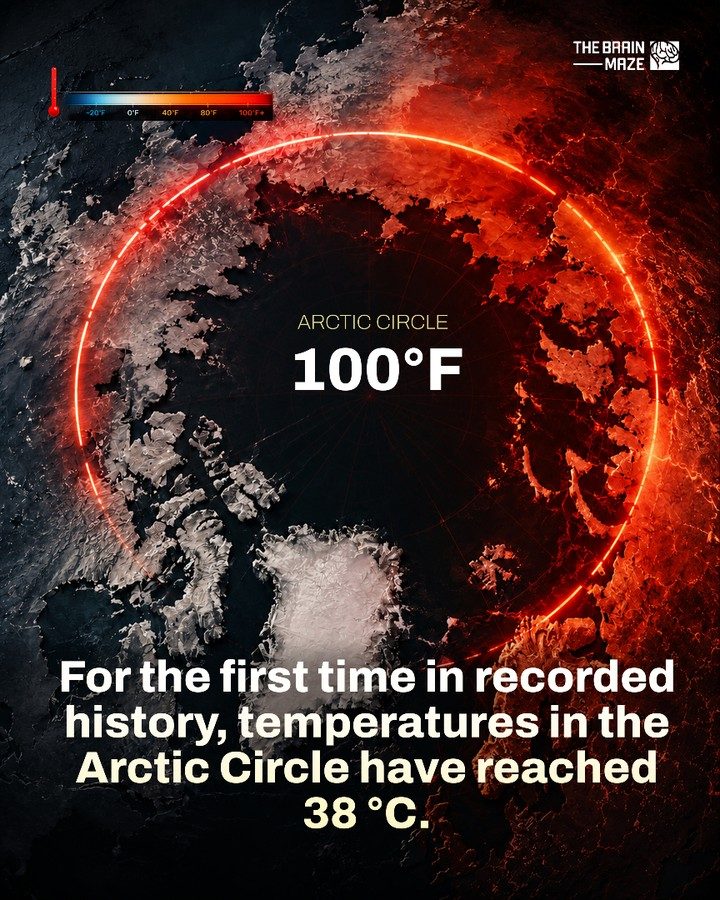
The Arctic region experienced an unprecedented heatwave in June 2020. The highest temperature ever recorded in the Arctic Circle, 38°C (100.4°F), was measured in the small town of Verkhoyansk, Russia on June 20, 2020. This shocking temperature record was confirmed by the World Meteorological Organization (WMO). This event highlights the rapid warming of the Arctic and its profound impacts on the environment.
Why This Matters
The Arctic is a critical region for global climate stability. Its ice and snow reflect sunlight back into the atmosphere, helping to regulate the planet's temperature. When the Arctic warms, this reflective surface shrinks, leading to further warming—a vicious cycle that accelerates climate change. Understanding the causes and effects of this Arctic temperature record is crucial for addressing global warming and its impacts.
The 2020 Arctic Heatwave
The Record-Breaking Temperature
On June 20, 2020, thermometers in Verkhoyansk, Russia, hit 38°C (100.4°F). This temperature is not only a record for the Arctic but also a significant marker of the region's rapid warming. To put this into perspective, this temperature is similar to what is typically experienced in the deserts of Arizona or the Middle East, not in the icy Arctic. Such extreme heat in the Arctic is a stark indication of the ongoing climate crisis.
The Siberian Heatwave
The extreme temperature in Verkhoyansk was part of a larger heatwave that affected much of Siberia throughout the summer of 2020. This heatwave was unprecedented in its intensity and duration, with temperatures remaining above average for months. The persistent warmth led to widespread wildfires, accelerated sea ice loss, and disruptions to local ecosystems.
Consequences of the Heatwave
The 2020 Siberian heatwave had several alarming consequences:
- Wildfires: The prolonged heat and drought conditions fueled massive wildfires that burned through vast areas of Siberia. These fires released immense amounts of carbon dioxide into the atmosphere, further exacerbating global warming.
- Sea Ice Loss: The Arctic sea ice extent reached record lows during the summer of 2020. Warmer temperatures melted the sea ice faster than usual, leading to a significant reduction in ice cover.
- Permafrost Thaw: The heatwave also accelerated the thawing of permafrost, which stores large amounts of methane and carbon dioxide. As the permafrost thaws, these greenhouse gases are released, creating a feedback loop that contributes to further warming.
- Ecosystem Disruption: The extreme heat and fires disrupted local ecosystems, affecting wildlife and vegetation. The rapid changes in the Arctic environment pose significant challenges for the region's biodiversity.
How Does This Show the Arctic is Warming Rapidly?
The Arctic is warming at a rate more than twice as fast as the global average, a phenomenon known as Arctic amplification. This rapid warming is driven by a combination of factors, including the loss of sea ice, changes in ocean currents, and atmospheric circulation patterns. The 2020 heatwave and temperature record in Verkhoyansk are stark examples of this accelerating warming trend.
Understanding Arctic Warming
Factors Contributing to Arctic Amplification
Several key factors contribute to the rapid warming of the Arctic:
- Loss of Sea Ice: Sea ice reflects sunlight back into the atmosphere, helping to keep the region cool. As sea ice melts, more of the ocean's surface is exposed, absorbing more solar radiation and leading to further warming.
- Atmospheric Circulation: Changes in atmospheric circulation patterns, such as the polar vortex and the jet stream, can bring warm air from lower latitudes into the Arctic, contributing to temperature increases.
- Ocean Currents: Warming ocean currents, such as the Gulf Stream, transport heat into the Arctic, further raising temperatures.
- Feedback Loops: The thawing of permafrost and the release of methane and carbon dioxide create a feedback loop that accelerates warming.
Practical Tips
While the Arctic may seem far removed from everyday life, its warming has global implications. Here are some practical steps individuals and communities can take to mitigate the impacts of Arctic warming:
Reduce Carbon Footprint
Reducing your carbon footprint is one of the most effective ways to combat climate change and slow down Arctic warming. This can be achieved through:
- Energy Efficiency: Improve the energy efficiency of your home and vehicles. Use energy-efficient appliances, insulate your home, and consider using renewable energy sources like solar or wind power.
- Sustainable Transportation: Walk, bike, or use public transportation when possible. If you must drive, consider an electric or hybrid vehicle.
- Dietary Choices: Adopt a more plant-based diet. Livestock farming contributes significantly to greenhouse gas emissions, so reducing meat consumption can help lower your carbon footprint.
Advocate for Policy Change
Support policies that address climate change at the local, national, and international levels. This can include:
- Voting for Climate Action: Vote for politicians who prioritize climate action and support policies aimed at reducing carbon emissions.
- Advocacy and Activism: Join local advocacy groups or participate in climate-related protests to raise awareness and push for policy changes.
- Community Initiatives: Participate in community initiatives aimed at reducing carbon emissions, such as tree-planting campaigns or local recycling programs.
Important Takeaways
- The Arctic is one of the most rapidly warming regions on Earth, with the temperature in Verkhoyansk, Russia, reaching a record 38°C (100.4°F) in June 2020.
- This temperature record was part of a broader heatwave that affected Siberia, leading to widespread wildfires, sea ice loss, and permafrost thaw.
- Arctic warming has global implications, affecting sea levels, weather patterns, and ecosystems worldwide.
- Reducing your carbon footprint and advocating for policy change are practical steps individuals can take to mitigate the impacts of Arctic warming.
Conclusion
The 2020 Arctic temperature record in Verkhoyansk serves as a stark reminder of the rapid warming happening in the Arctic. The extreme heat and its consequences highlight the urgent need for action to combat climate change. By understanding the factors contributing to Arctic warming and taking practical steps to reduce our carbon footprint, we can help mitigate the impacts and protect the fragile ecosystems of the Arctic and beyond.
Watch the Reel
Questions readers ask
What is the significance of the 100.4°F temperature recorded in the Arctic Circle?
The 100.4°F temperature recorded in the Arctic Circle is significant because it is the highest temperature ever measured within the region. This record-breaking heat highlights the rapid warming trend in the Arctic, which has substantial implications for the global climate. This extreme heatwave in Siberia, marked by a 2020 temperature peak in Verkhoyansk, Russia, underscores the urgency of addressing climate change.
How does the Arctic's warming affect the global climate?
The Arctic plays a crucial role in regulating the Earth's temperature through its reflective ice and snow surfaces. As the Arctic warms, these surfaces shrink, reducing the amount of sunlight reflected back into the atmosphere. This leads to further warming and accelerates climate change, creating a vicious cycle that impacts the entire planet.
What role does the World Meteorological Organization (WMO) play in verifying the Arctic temperature record?
The World Meteorological Organization (WMO) is responsible for confirming and verifying extreme weather records, including temperature highs. In the case of the 100.4°F temperature in Verkhoyansk, the WMO's confirmation process involved thorough review and analysis of data to ensure its accuracy and reliability.
What environmental impacts are associated with the Arctic heatwave of June 2020?
The Arctic heatwave of June 2020 has led to significant environmental changes, such as accelerated melting of sea ice and permafrost. These changes can disrupt ecosystems, impact wildlife habitats, and contribute to further warming. Additionally, the thawing of permafrost can release stored greenhouse gases, exacerbating the effects of climate change.
What is the connection between the heatwave in Siberia and global climate patterns?
The heatwave in Siberia, particularly the extreme temperatures recorded in Verkhoyansk, is connected to broader global climate patterns. Rapid warming in the Arctic can influence weather systems worldwide, leading to more frequent and severe heatwaves, droughts, and other extreme weather events. This underscores the interconnected nature of the global climate system.
What measures can be taken to mitigate the impacts of Arctic warming?
Mitigating the impacts of Arctic warming involves reducing greenhouse gas emissions on a global scale. This can be achieved through a combination of renewable energy adoption, energy efficiency improvements, and reforestation efforts. Individual actions, such as reducing carbon footprints and supporting sustainable practices, also play a role in combating climate change.
Related deep dives
Similar reads based on topic and creator.




Recent articles
Fresh deep dives from the latest Reels we unpacked.




Comments
Be the first to comment.