The Archerfish: A Master of Precision and Adaptation
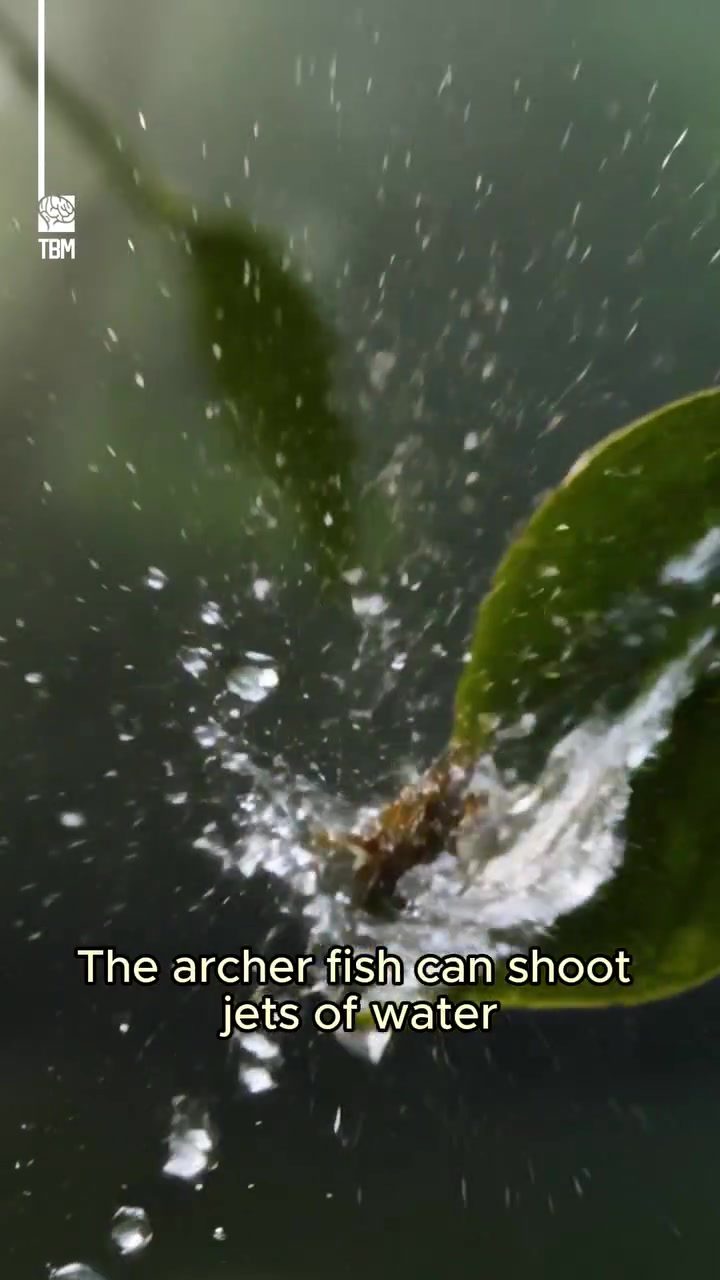
The archerfish is extraordinary, known for its remarkable ability to shoot jets of water with astonishing precision. This unique hunting technique involves targeting insects above the water's surface, knocking them into the water for an easy meal. The archerfish's hunting method is a fascinating blend of biology, physics, and intelligence.
Why This Matters
The archerfish's hunting method is not just a curious behavior; it is a testament to the incredible adaptations that can evolve in nature. Understanding how the archerfish hunts provides insights into the mechanisms of sensory adaptation, biomechanics, and learning processes in animals. This knowledge can inspire advancements in fields like robotics, optics, and fluid dynamics.
The Archerfish's Hunting Technique
The archerfish can shoot jets of water with remarkable accuracy. The fish uses its mouth and gill covers to form a narrow, high-speed water stream, capable of reaching speeds of up to 3 meters per second. This jet of water is powerful enough to dislodge insects from branches or leaves.
Precision and Control
The precision required for this hunting technique is astonishing. The archerfish must accurately aim at prey above the water's surface, compensating for refraction at the water-air boundary. This optical distortion can significantly affect the fish's ability to target its prey accurately. The archerfish's eyes adjust for this refraction, allowing it to hit its mark with remarkable consistency.
The archerfish's ability to learn from experience adds another layer of sophistication to its hunting technique. Over time, the fish improves its aim by compensating for the angle and distance of its prey. This learning process is a clear demonstration of the archerfish's cognitive processing and adaptive abilities.
Biomechanics and Sensory Adaptation
The archerfish's hunting technique combines several complex processes. The fish's mouth and gill covers work together to form a high-speed water stream. The precise control required for this action involves intricate biomechanics and motor control. Additionally, the fish's eyes must process visual information accurately, adjusting for the distortions caused by refraction.
This combination of biomechanics, sensory adaptation, and learning makes the archerfish's hunting technique a remarkable example of an advanced predatory strategy. The fish's ability to manipulate a fluid medium as a projectile is a testament to its complex motor control and cognitive processing.
Practical Tips for Observing Archerfish in the Wild
Observing archerfish in their natural habitat can be a rewarding experience. Here are some practical tips to help you get the most out of your encounter:
Choose the Right Time and Place
Archerfish are typically found in shallow, coastal waters, often near mangroves or other structures where insects are plentiful. The best time to observe them is during the day, particularly when the water is calm. This will give you the best view of their hunting technique.
Be Patient and Quiet
Archerfish are sensitive to disturbances. To get a good view of their hunting, be patient and quiet. Avoid sudden movements or loud noises that could startle the fish. The more still you are, the better your chances of witnessing their incredible hunting technique.
Bring equipment like binoculars to get a closer look while maintaining a safe distance. Use a tripod if necessary to keep your view steady.
Look for Insects Above the Water
Since archerfish target insects above the water's surface, keep an eye out for insects hovering near the water. This is where the action is likely to happen. The fish will shoot water jets from below and watch as the insects fall into the water, providing you with a fascinating glimpse into their hunting strategy.
By following these tips, you'll be well on your way to experiencing the archerfish's unique hunting technique firsthand.
Important Takeaways
The archerfish's ability to shoot jets of water with precision is a marvel of nature. This hunting technique showcases the fish's remarkable control, vision, and intelligence. The archerfish's hunting strategy involves intricate biomechanics, sensory adaptation, and learning, making it an advanced predatory strategy rarely seen in the animal kingdom.
Conclusion
The archerfish is a master of precision and adaptation. By observing this fish in its natural habitat, we can gain a deeper appreciation for the complexity and sophistication of its hunting technique. The archerfish’s extraordinary abilities offer a glimpse into the remarkable adaptations that can evolve in nature, providing valuable insights into fields like biology, physics, and robotics.
Watch the Reel
Questions readers ask
How do archerfish use water jets to catch their prey?
Archerfish use their mouths to shoot powerful, high-speed water jets at insects perched above the water's surface. By precisely aiming these jets, they knock the insects down into the water, making them easy to capture and consume.
What makes the archerfish's hunting method so unique?
The archerfish's hunting method is unique due to its combination of biological adaptations, cognitive abilities, and understanding of physics. They can accurately calculate the refraction of light through water to target their prey, displaying remarkable motor control and learning abilities.
How do archerfish control the direction and power of their water jets?
Archerfish control the direction of their water jets by positioning their bodies and mouths at precise angles. The power of the jet is regulated by the amount of water they expel, allowing them to adjust the force as needed to hit their targets effectively.
What role does sensory adaptation play in archerfish hunting?
Sensory adaptation is crucial for archerfish hunting. They have evolved to account for refraction, which is the bending of light as it passes through water. This allows them to accurately aim at insects above the water's surface, even though the insects' perceived location is slightly different due to refraction.
How do archerfish learn and improve their hunting skills?
Archerfish demonstrate learning abilities by improving their hunting skills over time. Young archerfish practice shooting water jets, starting with simple targets and gradually moving on to more challenging ones. This practice helps them refine their motor control and precision.
Related deep dives
Similar reads based on topic and creator.




Recent articles
Fresh deep dives from the latest Reels we unpacked.




Comments
Be the first to comment.