The Aral Sea on edge
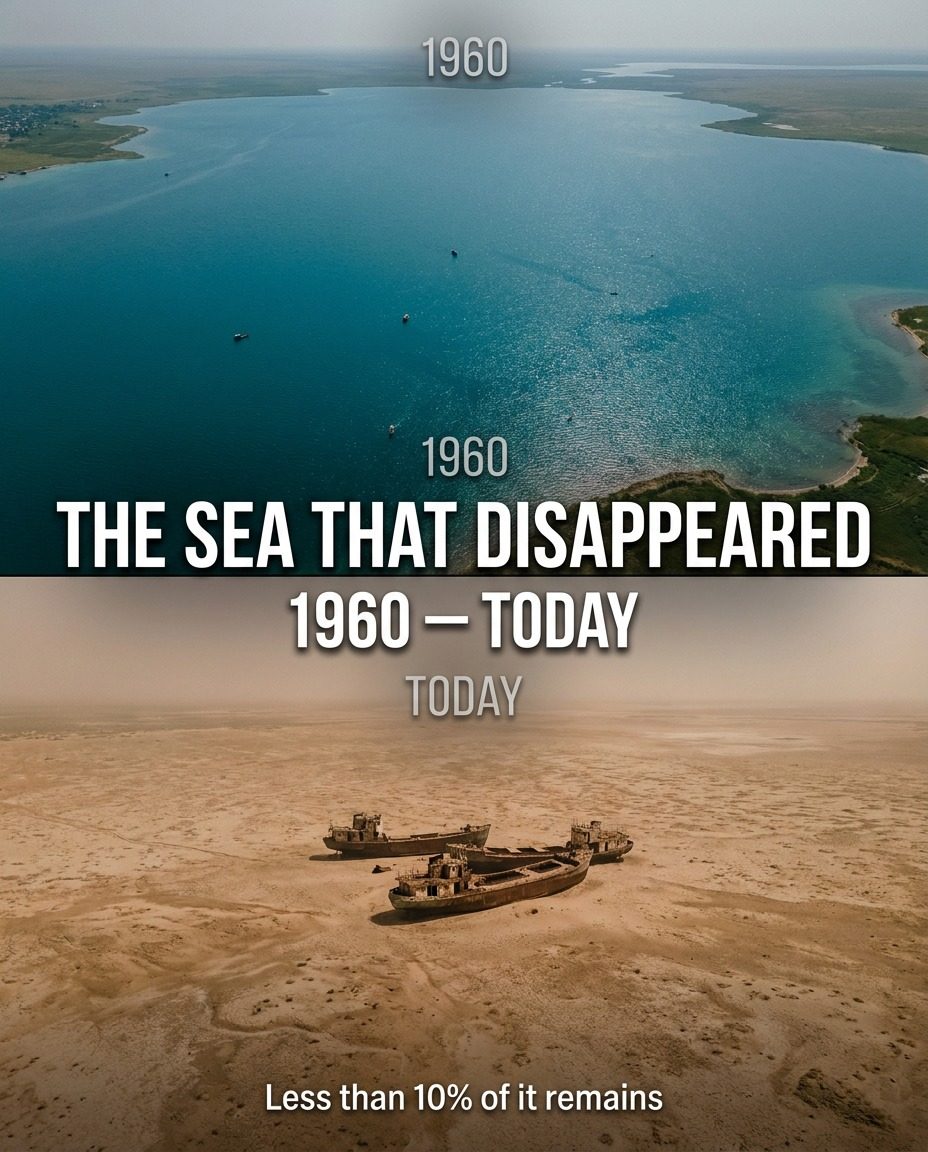
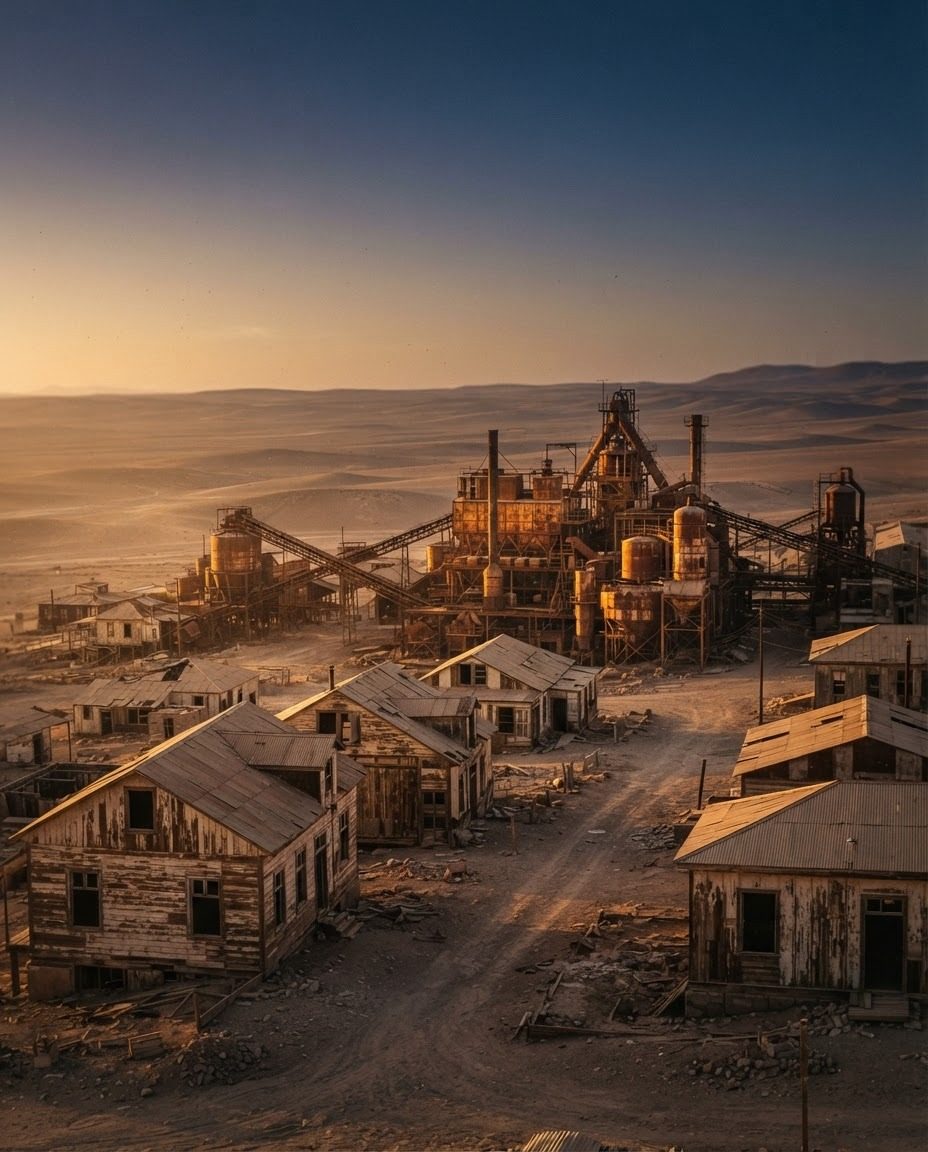
The Aral Sea, once one of the four largest lakes in the world, blazed with a thunderbolt. Conditions deteriorated rapidly, collapsing the lake's surface area, forcing it into an irreversible decline. One can now draw an entire continent between its once-bustling shores. The restless, blue beauty vanished into a bleak, desolate desert. A shrunken lake does not occur naturally. It is the result of humans bending nature to our will. Rivers are a finite, renewable resource. Diversion of rivers is not the fault of the fields which drain them. The most significant contributing factor is the vast irrigation of crops. The Aral Sea can be defined as a system of inputs and outputs. The inputs were the rivers which pumped life into the lake.
River diversion is the main reason
In a region already plagued by water scarcity, the decision to divert the rivers feeding the Aral Sea was a death knell. Only a fraction of the original sea remains. The rivers were not merely redirected. They were 'diverted', which means they were taken for other purposes. The Soviet government went on a campaign for cotton, burying their focus on food. The crops were thirsty, and the rivers were parched. The rivers Amu Darya and Syr Darya were cut off from the sea, diverting the water to cotton fields. By 1960, the Aral Sea comprised over 26,000 square miles. Today, it is a fraction of that size, reduced to less than 10% of its original volume.
Agricultural impact
The climate around the Aral Sea was dampened. As the sea dried, the soil became dry. The dried earth spawned a drought. The once-vibrant fishing industry collapsed. People were displaced and ecosystems crumbled. The sea's shrinking is more than a geographical anomaly; it is a stark warning about the ripple effects of unchecked resource exploitation. These issues are not confined to the Aral Sea alone. The impact is felt far and wide, affecting climate, agriculture, and society.
An ocean of crops
The extensive agricultural exploitation of these rivers has far-reaching implications. Farming stepped in to irrigate thirsty fields. Crops are seasonal in nature. Warmer temperatures dry soil. With water stripped away, the future of the rivers is murky and scant. The crops were thirsty. Cotton was the dominant crop, which requires more water than the central Asian deserts could provide. More than 40 million acres of cotton were cultivated between 2001 and 2010, according to the Food and Agriculture Organization. Weeds and pests have consumed cotton production. Cotton needs more water than a river can supply. Since the rivers were forced to yield their water to agriculture, the Aral Sea shrank.
Watch the Reel
Related deep dives
Similar reads based on topic and creator.

Recent articles
Fresh deep dives from the latest Reels we unpacked.
Comments
Be the first to comment.