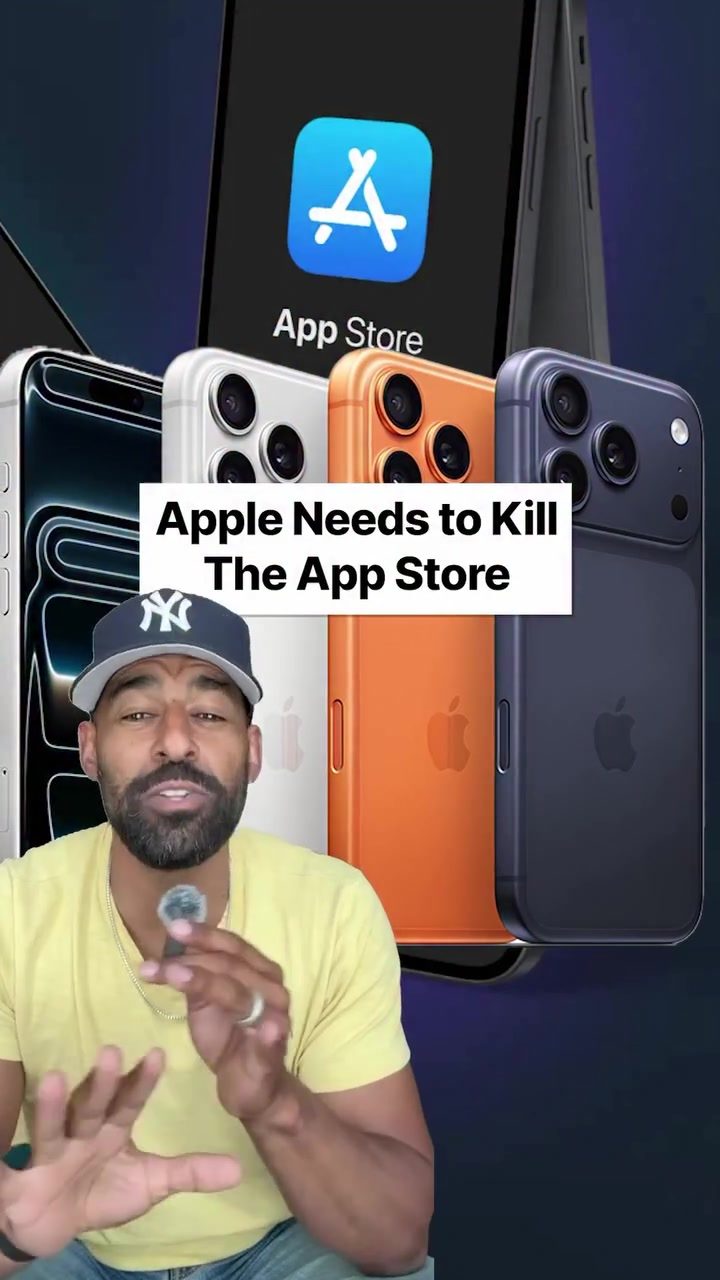
Apple and the Future of the iPhone: Beyond the App Store
The future of the iPhone is evolving, and the traditional app store model might be on the way out. The WWDC 2026 keynote highlighted a significant shift in Apple's strategy, focusing on an integrated, conversational AI experience rather than individual apps. This transformation is driven by a new AI-powered Siri, a generational shift in iPhone usage, and Apple's unique strengths in distribution and privacy.
Why This Matters
The change in Apple's approach to the iPhone's ecosystem is more than just a product update; it's a strategic pivot that addresses several key challenges and opportunities. The shift towards an agentic ecosystem, where a single conversation can handle complex tasks, is a response to the increasing demand for seamless, integrated experiences. This change is not just about technology but also about understanding and leveraging the behavioral trends of younger generations.
The Agentic Ecosystem: One Conversation to Rule Them All
Imagine telling your iPhone, "Book me a trip to Miami for the Fourth of July under $2,000." With the new AI-driven Siri, the phone will find the flight, book the hotel, schedule rides, add everything to your calendar, and charge your card — all in one go. This seamless integration of various services into a single conversational interface is what the agentic ecosystem aims to achieve.
The New Siri AI and What It Means
Apple has partnered with Google to integrate Google's Gemini AI into Siri, marking a significant departure from its usual closed ecosystem approach. This new AI is designed to be conversational, system-wide, and capable of seeing what your camera sees, cross-referencing with every app on your phone without asking. For a company known for its closed system, this move is seismic and indicates a willingness to leverage external expertise to enhance user experience.
- Conversational Interface: The new Siri AI is designed to understand and respond to natural language, making interactions more intuitive and less cumbersome.
- System-Wide Integration: The AI can access and utilize data from every app on your phone, providing a more comprehensive and cohesive user experience.
- Camera Integration: The AI can see what your camera sees, opening up new possibilities for augmented reality and visual search capabilities.
Generational Shift and the iPhone's Status Symbol
The new iPhone model isn't just about technology; it's about understanding the preferences and behaviors of younger generations. For Gen Z and Gen Alpha, the iPhone is more than just a phone — it's a status symbol and a social currency. This generational lock-in is a significant advantage for Apple, as 88% of American teenagers own an iPhone, and 89% plan to buy another one. This loyalty creates a captive audience for Apple's new AI-driven initiatives.
Why Gen Z and Gen Alpha Matter
- Status Symbol: For younger generations, owning an iPhone is about more than just functionality; it's a statement of social and economic standing.
- Loyal Customer Base: The high ownership and planned purchase rates among teens indicate a strong, loyal customer base that will be receptive to new features and services.
Distribution, Privacy, and the AI Advantage
Apple's strengths in distribution and privacy are critical to its success in this new era. With two billion devices in the market, Apple has a vast distribution network that can rapidly deploy new AI capabilities. Additionally, Apple's commitment to privacy — where user data is deleted after executing a request — creates a moat that competitors like Google and OpenAI, who train on user data, cannot easily cross.
The Power of Distribution
- Scale: With two billion devices, Apple has an unparalleled distribution network that can quickly roll out new features and updates.
- Global Reach: Apple's global presence ensures that new features and services can be accessed by users worldwide, enhancing the overall user experience.
The Privacy Advantage
- Data Security: Apple's approach to privacy ensures that user data is secure and not used for training other models, which can be a significant selling point for users concerned about data privacy.
- Competitive Edge: This focus on privacy positions Apple as a leader in the market, providing a competitive edge over companies that rely on user data for training their models.
Practical Tips for Users
As the iPhone evolves into an agentic ecosystem, users can expect a more integrated and seamless experience. Here are some practical tips to make the most of the new features:
- Explore the New Siri: Experiment with conversational commands to see how the new AI can help you. From booking travel to managing your calendar, the possibilities are vast.
- Leverage Camera Features: Use the camera integration to enhance your visual search capabilities and explore augmented reality features.
- Maintain Privacy: Understand and utilize Apple's privacy settings to ensure your data is secure and not used for training other models.
Important Takeaways
The future of the iPhone is about more than just new features; it's about a fundamental shift in how users interact with their devices. The agentic ecosystem, driven by AI, aims to provide a seamless, integrated experience where multiple tasks can be completed through a single conversation. This shift is supported by Apple's strengths in distribution and privacy, making it a significant player in the evolving tech landscape.
Conclusion
The iPhone's future is set to be transformative, moving away from individual apps to an integrated, conversational AI experience. This shift is driven by a new AI-powered Siri, generational preferences, and Apple's unique advantages in distribution and privacy. As users, we can look forward to a more seamless and integrated experience, where complex tasks can be completed with a single command. The future of the iPhone is about more than just technology; it's about understanding and leveraging the behaviors and preferences of a new generation.
Watch the Reel
Questions readers ask
What is the new AI-powered Siri and how does it differ from the current version?
The new AI-powered Siri is a generational leap from the current version, designed to handle complex tasks through a single, conversational interface. It aims to understand and execute multi-step commands, making iPhone usage more efficient and streamlined. This shift represents a significant change in how users interact with their devices.
How will Apple's new AI-driven iPhone experience change user interaction?
Apple's new AI-driven iPhone experience will transform user interaction by allowing users to perform complex tasks through a single, conversational AI interface. This means users can accomplish more with less effort, as the new Siri will handle multiple steps and integrate various functions seamlessly.
What was highlighted at the WWDC 2026 keynote regarding the iPhone's future?
The WWDC 2026 keynote highlighted Apple's strategic shift towards an integrated, AI-driven ecosystem for the iPhone. This includes a new, conversational AI experience and a departure from the traditional app store model, focusing on a more unified and intuitive user experience.
Why is Apple moving away from the traditional app store model?
Apple is moving away from the traditional app store model to address the increasing demand for more efficient and integrated user experiences. By shifting to an AI-driven ecosystem, Apple aims to streamline tasks and improve overall user satisfaction by handling complex commands through a single interface.
How does Apple plan to integrate AI into the iPhone's ecosystem?
Apple plans to integrate AI into the iPhone's ecosystem by leveraging a new, conversational Siri that can manage complex tasks. This integration will allow users to interact with their devices more naturally and efficiently, performing multiple actions through a single conversation. Apple's strengths in distribution and privacy will also play a crucial role in this transition.
What are the key benefits of Apple's new AI-driven iPhone experience?
The key benefits of Apple's new AI-driven iPhone experience include enhanced efficiency, improved user satisfaction, and a more intuitive interface. Users will be able to complete complex tasks with minimal effort, thanks to the AI's ability to handle multi-step commands and integrate various functions seamlessly.
Related deep dives
Similar reads based on topic and creator.



Recent articles
Fresh deep dives from the latest Reels we unpacked.




Comments
Be the first to comment.