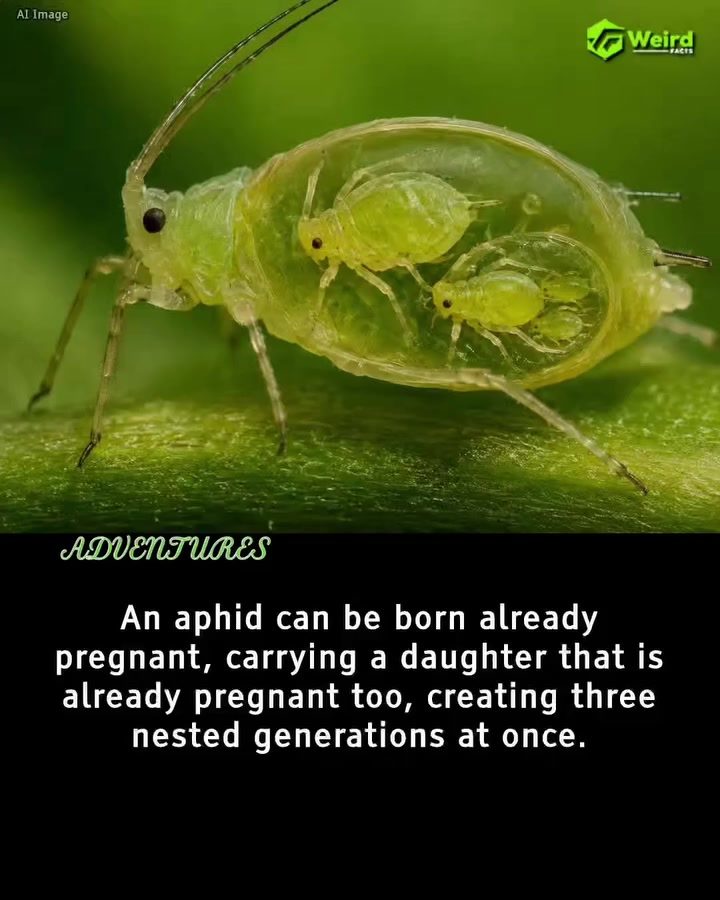
Aphid Reproduction: The Phenomenon of Telescoping Generations
Aphids, those tiny insects often found on plants, possess an extraordinary reproductive strategy known as telescoping generations. This method allows for an astonishingly rapid rate of reproduction, which helps these creatures thrive in various environments.
Why This Matters
Understanding the reproductive strategies of aphids is crucial for several reasons. Firstly, it helps in controlling aphid populations, which can be detrimental to crops and gardens. Secondly, it provides insights into the fascinating world of insect biology and the diverse reproductive mechanisms found in nature.
Main Discussion
Asexual Reproduction in Aphids
During their asexual, live-bearing phase, some female aphids have a unique reproductive capability. These aphids can be born already carrying developing daughter embryos. This remarkable phenomenon, known as telescoping generations, allows for three generations—an adult, her daughters, and her granddaughters—to exist simultaneously within one body.
The Mechanism of Telescoping Generations
Telescoping generations in aphids involve a series of overlapping reproductive stages. A female aphid can give birth to live daughters, and some of those daughters can already contain early granddaughter embryos even before they are born. This means that an aphid can essentially be pregnant with already pregnant offspring, leading to a nesting effect of three generations at once.
The Advantages of This Reproductive Strategy
This reproductive strategy offers several advantages for aphids. Firstly, it allows for rapid population growth, which is beneficial for the species' survival and proliferation. Secondly, it ensures that the aphid population can quickly recover from environmental stressors or predation.
The Asexual Phase
During the asexual phase, many aphid species forgo laying eggs and opt for live birth. This live-bearing reproduction ensures that the offspring are already developed and ready to reproduce upon birth, making the entire process even more efficient. This strategy is particularly effective in environments where the aphid population needs to quickly adapt and grow.
Practical Tips
While understanding the reproduction of aphids is fascinating, it also has practical applications:
Controlling Aphid Populations
Knowing that aphids can have three generations nested within one body can help in developing effective pest control strategies. For example, insecticides can be timed to target the adult aphids during their reproductive peaks, thereby reducing the population more effectively.
Beneficial Insects
Encouraging the presence of beneficial insects, such as ladybugs and lacewings, in your garden can naturally control aphid populations. These predators feed on aphids, helping to keep their numbers in check.
Natural Predators
Introducing natural predators can be an effective way to manage aphid populations. Beneficial nematodes, parasitic wasps, and hoverfly larvae are all natural enemies of aphids and can help maintain a balanced ecosystem.
Important Takeaways
The phenomenon of telescoping generations in aphids is a testament to the incredible diversity and efficiency of reproductive strategies in the natural world. By understanding this process, we can better manage aphid populations and appreciate the complexity of insect biology.
Conclusion
The reproductive strategy of aphids, particularly the telescoping generations phenomenon, is both fascinating and critical for managing these tiny pests. Whether you're a gardener dealing with an aphid infestation or a scientist studying insect biology, this insight provides a deeper understanding of how aphids thrive and replicate. The more we know about these mechanisms, the better equipped we are to control their populations and protect our plants.
Watch the Reel
Questions readers ask
What exactly are telescoping generations in aphids?
Telescoping generations in aphids refer to the phenomenon where multiple generations of aphids develop simultaneously within a single adult. This means that a female aphid can give birth to live young that are already pregnant with the next generation, allowing for an extremely rapid rate of population growth.
How does asexual reproduction benefit aphids in diverse environments?
Asexual reproduction allows aphids to quickly colonize new environments and take advantage of abundant food sources. By producing live offspring that are already pregnant, aphids can rapidly increase their numbers during favorable conditions, ensuring the species' survival and dominance in diverse habitats.
Can male aphids undergo asexual reproduction?
No, male aphids are typically rare and do not undergo asexual reproduction. The asexual phase primarily involves female aphids, which can produce female offspring without mating. This allows for a swift increase in the aphid population through live-bearing, asexual reproduction.
What triggers the switch from asexual to sexual reproduction in aphids?
The switch from asexual to sexual reproduction in aphids is often triggered by changes in daylight hours and temperature, which signal the approach of winter. During this phase, both male and female aphids are produced, and they mate to produce eggs that can overwinter and hatch into the next generation of asexual females in the spring.
How many generations of aphids can be found within a single adult during the asexual phase?
During the asexual phase, it's not uncommon to find multiple generations of aphids developing within a single adult. A female aphid can be pregnant with embryos that are already pregnant themselves, and in some cases, you may find three or more generations developing simultaneously within one adult.
How does understanding aphid reproduction help in controlling their populations?
By understanding the reproductive strategies of aphids, including telescoping generations and asexual reproduction, farmers and gardeners can implement more effective control measures. This knowledge allows for better timing of interventions, such as the introduction of natural predators or the application of insecticides, to disrupt the aphid life cycle and manage their populations.
Related deep dives
Similar reads based on topic and creator.




Recent articles
Fresh deep dives from the latest Reels we unpacked.




Comments
Be the first to comment.