Ansoff's Product/Market Expansion Grid: A Strategic Tool for Revenue Growth
Ansoff's Product/Market Expansion Grid is a powerful strategic planning tool that helps businesses map out their growth strategies. By understanding this framework, companies can identify new opportunities, mitigate risks, and drive revenue growth.
Business Strategy & Revenue
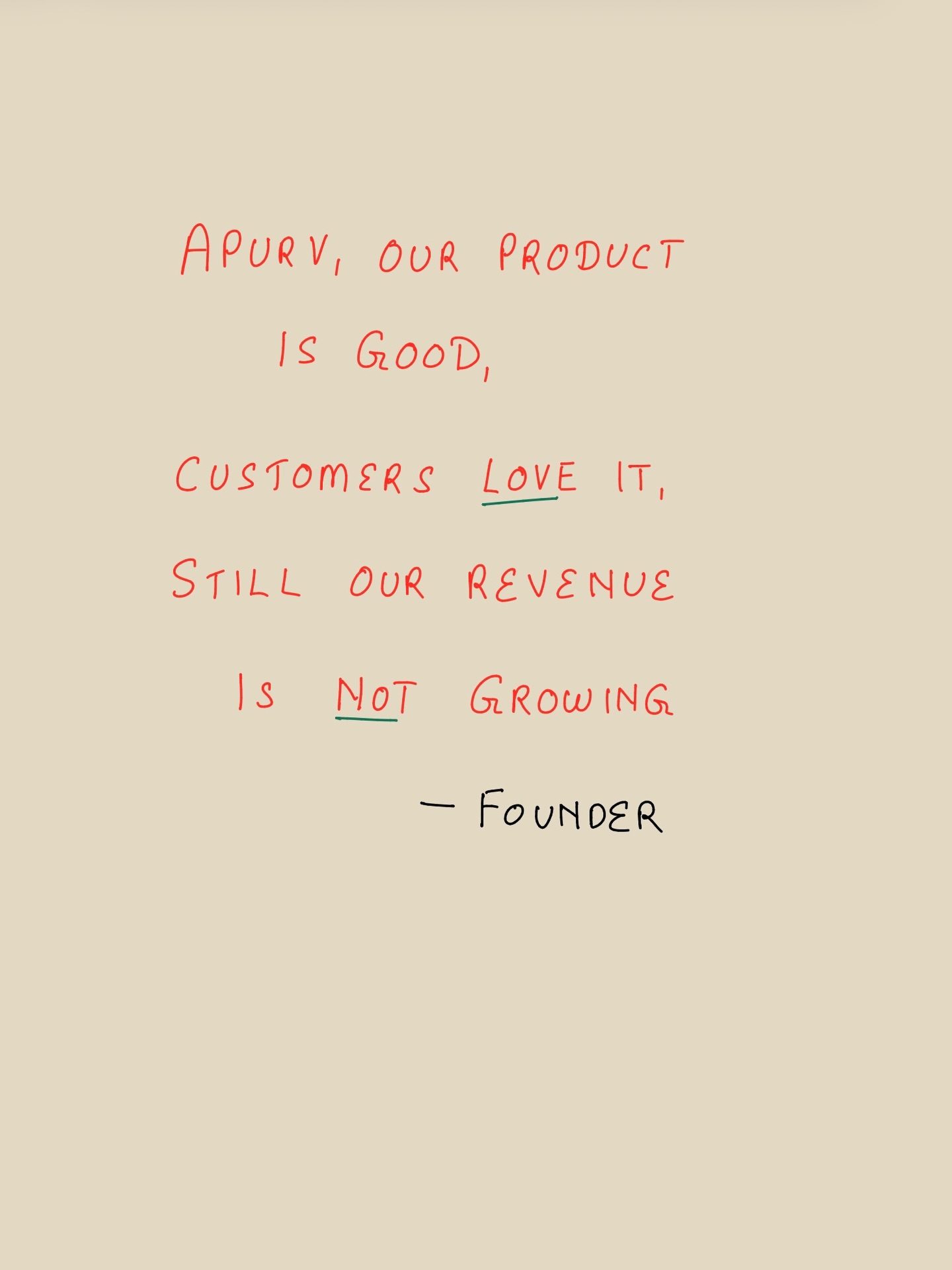
The relationship between customer satisfaction and revenue growth is not always straightforward. Even if a product is well-received by customers, revenue might not grow as expected. This disconnect can be attributed to several factors, including market penetration, competitive dynamics, and pricing strategies.
Importance of Market Penetration
Market penetration refers to the percentage of a target market that is using a particular product. For a business to experience revenue growth, it is essential to increase market penetration. This can be achieved through effective marketing campaigns, product improvements, and competitive pricing.
Addressing Common Challenges
To address the issue of stagnant revenue despite customer satisfaction, businesses can consider the following strategies:
- Enhance Marketing Efforts: Strengthen marketing initiatives to reach a broader audience. This could involve digital marketing, social media campaigns, or traditional advertising methods.
- Improve Product Features: Regularly update and enhance product features to keep up with market demands and customer expectations.
- Optimize Pricing: Review pricing strategies to ensure they are competitive and aligned with the value the product offers.
Understanding the Product Development Matrix
The Product Development Matrix, often referred to as the Ansoff Matrix, is a strategic planning tool that helps businesses navigate different growth strategies. It consists of four main quadrants, each representing a different approach to market and product development.
Quadrants of the Ansoff Matrix
-
Market Penetration (Existing Product, Existing Market): This strategy focuses on increasing market share by selling more of the existing product to the current market. Tactics include aggressive marketing, promotional offers, and product improvements.
-
Market Development (Existing Product, New Market): In this approach, businesses aim to sell their existing products to new markets. This could involve expanding geographical reach, targeting new customer segments, or entering new market niches.
-
Product Development (New Product, Existing Market): Here, companies focus on developing new products for their existing market. This can be achieved through product innovation, adding new features, or launching complementary products.
-
Diversification (New Product, New Market): This is the riskiest strategy, as it involves entering new markets with new products. It requires significant investment and resources, but it can also lead to substantial growth and competitive advantages.
Strategies for Winning in Each Quadrant
-
Market Penetration:
- Launch Adjacent Products: Develop products that complement the existing ones and target the same customer base. This can include launching different versions (e.g., Lite, Pro, Enterprise) or complementary products.
- Add Features/Versions: Continuously update the product with new features or different versions to cater to a wider range of customer needs and preferences.
-
Market Development:
- Expand Geographically: Explore new geographical areas where the product can find a receptive market.
- Target New Customer Segments: Identify and target underserved customer segments within the existing market.
-
Product Development:
- Create Complementary Products: Develop products that enhance the value of the existing product line. This can include accessories, add-ons, or related services.
-
Diversification:
- Innovate and Adapt: Continuously monitor market trends and be ready to innovate and adapt to new opportunities. This can involve acquiring new technologies, partnering with other companies, or investing in research and development.
Risk and Reward
The risk associated with each quadrant increases as you move from the top-left to the bottom-right. Market penetration is the least risky, as it involves selling more of the existing product to the existing market. Diversification, on the other hand, is the riskiest because it involves entering new markets with new products.
Practical Tips for Implementing Ansoff's Matrix
- Assess Market Potential: Conduct thorough market research to identify opportunities and challenges in each quadrant. This will help in making informed decisions about where to focus resources.
- Develop a Comprehensive Plan: Create a detailed plan that outlines the steps, resources, and timelines for each growth strategy.
- Monitor and Adjust: Continuously monitor the performance of each strategy and be prepared to adjust based on market feedback and competitive dynamics.
- Leverage Technology: Use data analytics and other technological tools to gain insights into market trends, customer preferences, and competitive landscapes.
Important Takeaways
- Customer satisfaction and revenue growth are not always directly correlated. Other factors, such as market penetration and competitive strategies, play a crucial role.
- The Ansoff Matrix provides a structured approach to growth strategies. It helps businesses map out their growth plans and identify risks and opportunities.
- Effective implementation requires a comprehensive plan, continuous monitoring, and the ability to adapt to market changes.
Conclusion
Ansoff's Product/Market Expansion Grid is a valuable tool for businesses looking to drive revenue growth. By understanding and applying the principles of this matrix, companies can navigate the complex landscape of product and market development. Whether focusing on market penetration, market development, product development, or diversification, businesses can leverage this framework to make strategic decisions that drive growth and success.
Watch the Reel
Questions readers ask
What is Ansoff’s Matrix and how does it facilitate business growth?
Ansoff’s Matrix, also known as the Product/Market Expansion Grid, is a strategic planning tool that helps businesses identify and leverage growth opportunities. It does this by examining four different strategies for market and product development, enabling companies to drive revenue growth and manage risks effectively.
What are the four quadrants of Ansoff’s Matrix?
Ansoff’s Matrix consists of four quadrants: Market Penetration, Market Development, Product Development, and Diversification. Market Penetration focuses on existing products in existing markets, while Market Development involves existing products in new markets. Product Development centers on new products in existing markets, and Diversification explores new products in new markets.
How can businesses use Ansoff’s Matrix to mitigate risks?
Businesses can use Ansoff’s Matrix to mitigate risks by carefully assessing each of the four strategies. For instance, focusing on Market Penetration or Product Development can be less risky than Diversification, as it leverages existing market knowledge and customer base.
What is the difference between Market Development and Diversification in Ansoff’s Matrix?
Market Development involves taking existing products into new markets, which can be achieved through market research and understanding the needs of the new market. Diversification, on the other hand, involves introducing new products into new markets, which is typically the riskiest strategy as it requires substantial investment and market research.
Why is Market Penetration important for revenue growth?
Market Penetration is crucial for revenue growth as it focuses on increasing the market share of existing products in existing markets. By optimizing marketing efforts, improving product features, and enhancing customer satisfaction, businesses can attract more customers and drive sales. This strategy can be particularly useful when trying to gain a competitive edge in a familiar market.
How does Ansoff’s Matrix help in strategic planning for new product launches?
Ansoff’s Matrix aids in strategic planning for new product launches by guiding businesses through two main approaches: Product Development and Diversification. Product Development involves introducing new products to existing markets, while Diversification focuses on entering new markets with new products. This matrix helps businesses evaluate the potential risks and returns associated with each approach.
Can Ansoff’s Matrix be used for both small and large businesses?
Yes, Ansoff’s Matrix is a versatile tool that can be used by both small and large businesses. Small businesses might find it helpful for identifying less risky growth opportunities, such as Market Penetration or Market Development. Large businesses can use it to explore more complex strategies, including Diversification, to expand their market presence and product offerings.
Recent articles
Fresh deep dives from the latest Reels we unpacked.




Comments
Be the first to comment.