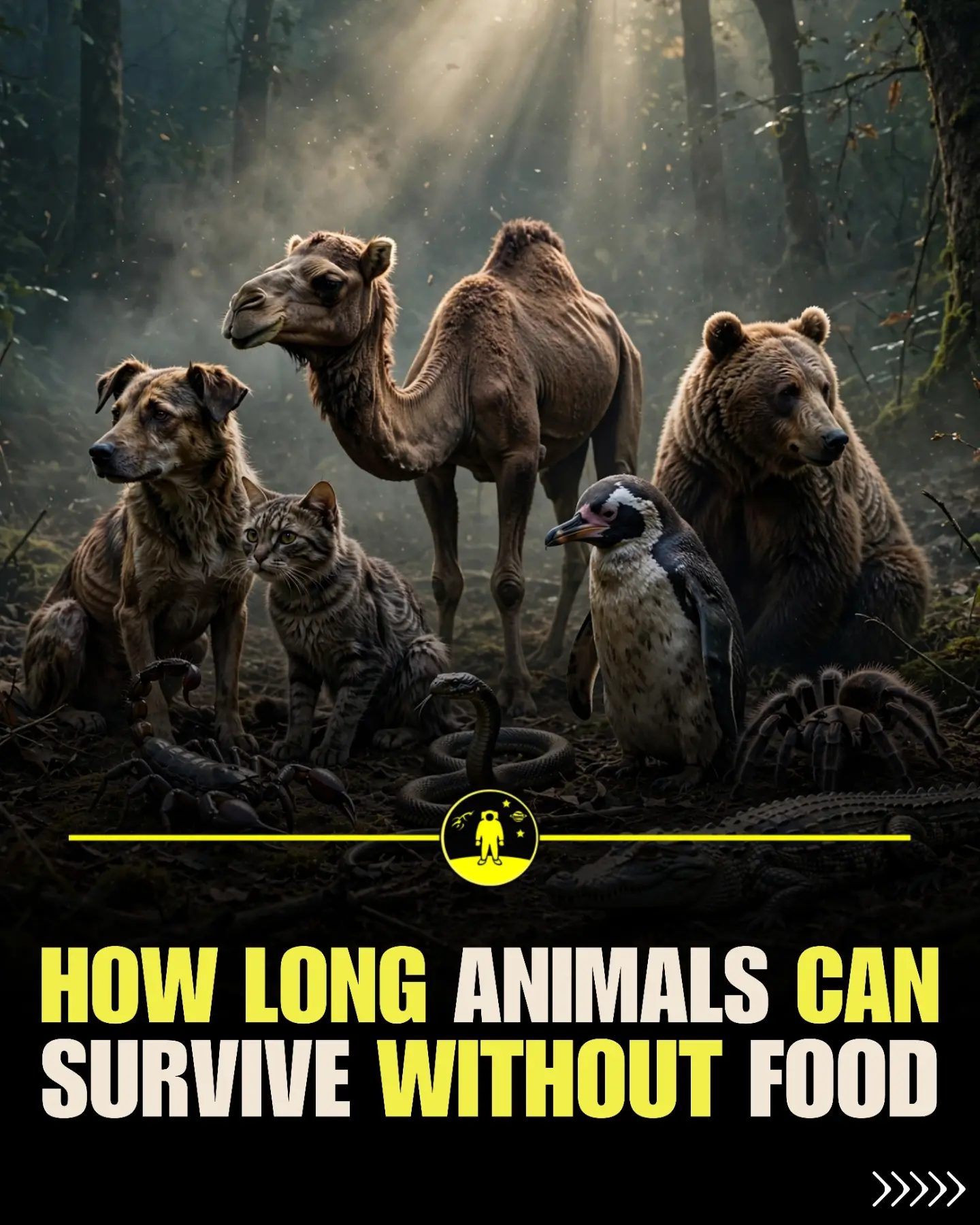
Animal Survival Without Food
Animals have evolved a myriad of survival strategies to endure harsh conditions. One of the most remarkable is their ability to survive extended periods without food. While humans can typically only go a few weeks without eating, many animals have adapted to survive for months, or even a full year, without a single meal.
Context / Why this matters
Understanding how animals survive without food offers insights into the incredible adaptations that have allowed them to thrive in diverse environments. These adaptations are not just fascinating; they are essential for the survival of many species in the face of environmental challenges.
Main discussion
Comparing human survival rates to those of different animals highlights the diverse physiological mechanisms at play. Dogs and cats, for example, have relatively short survival periods without food. Typically, they can endure only a limited time before developing serious health complications. This is due to their higher metabolic rates and smaller fat reserves.
Reptiles: Masters of Metabolic Efficiency
Reptiles, such as snakes and crocodiles, are well-known for their ability to survive long periods without food. This is largely due to their slower metabolisms, which allow them to conserve energy and resources more efficiently. For instance, certain species of snakes and crocodiles can go for months between meals, making them formidable survivors in environments where food may be scarce.
Scorpions and Tarantulas: Extreme Survivors
Scorpions and tarantulas are among the most extraordinary examples of animals capable of surviving extended periods without food. Under the right conditions, these creatures can go up to a full year without a meal. Their remarkable ability to endure such long periods of fasting is a testament to their highly efficient metabolic processes and adaptability to harsh conditions.
Camels: Surviving the Desert
Camels are legendary for their ability to survive in desert environments. Their efficient use of stored energy and water allows them to endure long periods without food or water. This efficiency is crucial for their survival in one of the harshest environments on Earth, where resources are sparse and unpredictable.
Brown Bears: Hibernation Experts
Brown bears are another example of animals that have evolved to survive extended periods without food. During hibernation, these bears rely on their fat reserves to sustain them through the winter months. Their bodies undergo significant physiological changes, slowing their metabolism and reducing their need for food and water.
Penguins: Enduring Fasting
Penguins, particularly those in the Antarctic, also endure extended periods of fasting during their breeding season. While incubating eggs and caring for their young, penguins can survive for up to 115 days without food. This ability is crucial for their reproductive success in an environment where food resources are limited.
Practical Tips
The strategies animals use to survive without food can offer insights into how humans might prepare for similar challenges. While it's important to note that these strategies are unique to each species, there are valuable lessons to be drawn. For instance, understanding the importance of fat reserves and efficient water use can help humans prepare for survival situations. Additionally, learning about the physiological changes that occur during fasting can provide valuable information for anyone looking to improve their resilience in harsh conditions.
Important Takeaways
- Diversity of Adaptations: Different animals have evolved diverse strategies to survive without food, from slower metabolisms to efficient use of stored energy.
- Metabolic Efficiency: Reptiles, scorpions, and tarantulas exemplify how efficient metabolic processes can extend survival periods significantly.
- Environmental Adaptation: Animals like camels and brown bears have adapted to specific environmental challenges, such as deserts and harsh winters, by optimizing their resource use.
- Breeding Success: Penguins show that extended fasting can be crucial for reproductive success in challenging environments.
Conclusion
The ability of animals to survive without food for extended periods is a testament to the incredible adaptations that have allowed them to thrive in diverse and often harsh environments. From reptiles and scorpions to camels and bears, each species has evolved unique strategies to endure long periods without food. Understanding these strategies not only deepens our appreciation for the natural world but also offers practical insights into human survival and adaptation. Whether it's the efficient use of fat reserves or the physiological changes during fasting, the lessons from these animals can provide valuable knowledge for anyone looking to improve their resilience in the face of environmental challenges.
Watch the Reel
Questions readers ask
Which animals can survive for an entire year without food?
Several animals have evolved to endure long periods without food, and can go without it for a year. These include certain species of frogs, such as the African clawed frog, and some insects like the pupa of the Madagascan comet moth. Additionally, certain bears, especially during hibernation, can go without food for extended periods.
How do animals survive without food for extended periods?
Animals survive without food through various physiological mechanisms. These include slowing down their metabolism, entering a state of dormancy or hibernation, or relying on stored energy reserves. Some animals also have the ability to break down their own tissues and rebuild them once food becomes available.
What is the longest period an animal can survive without food?
The longest known period an animal can survive without food is around 18 months. This is evident in certain species of frogs, such as the African clawed frog, which can endure extreme conditions, including long periods of drought and food scarcity.
How do these survival tactics help animals thrive in harsh environments?
These survival tactics enable animals to endure periods of food scarcity. They allow these animals to remain inactive and conserve energy until favorable conditions return. These adaptations are crucial for maintaining populations in environments where resources are unpredictable or scarce.
Can humans survive as long as animals without food?
Humans have a much harder time surviving without food compared to these animals. While animals can slow their metabolism and enter a state of dormancy, humans cannot. Our bodies require a constant supply of nutrients to function, and we can typically only go a few weeks without eating.
What role does hibernation play in an animal's ability to survive without food?
Hibernation is a key adaptation that allows many animals to survive periods of food scarcity. During hibernation, an animal's metabolic rate slows down, conserving energy and allowing it to live off stored fat reserves. This enables animals to endure long periods without food, often lasting several months.
Do all animals that can survive without food also endure harsh weather conditions?
Yes, many animals that can endure long periods without food also have adaptations for surviving harsh weather conditions. For example, certain frogs can survive extreme droughts, while bears can endure cold winters. These adaptations often work together to help animals thrive in environments that would be challenging for humans.
Related deep dives
Similar reads based on topic and creator.




Recent articles
Fresh deep dives from the latest Reels we unpacked.




Comments
Be the first to comment.