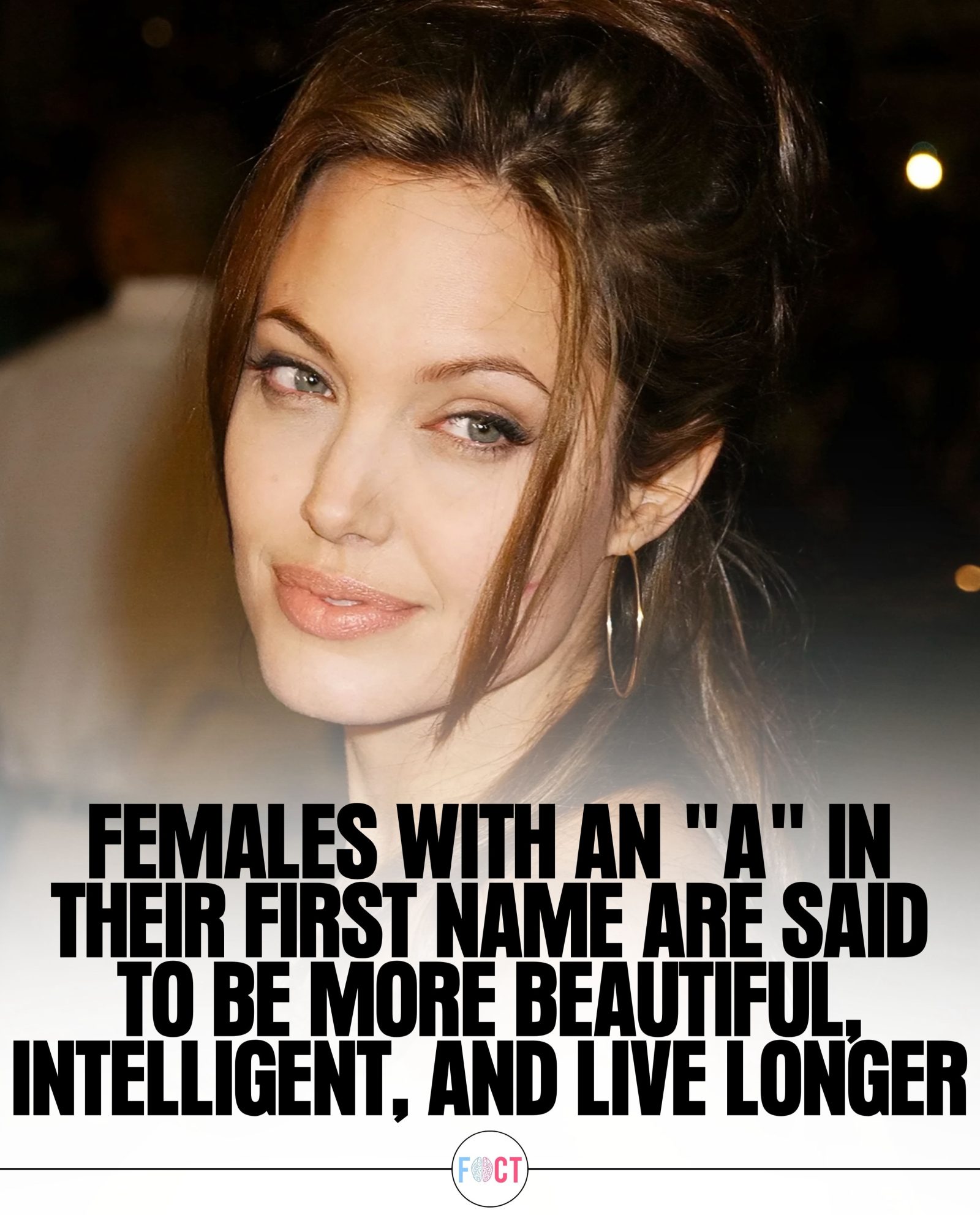
Names and Perceptions: The "A" Effect
You've likely encountered the intriguing claim that women whose first names begin with the letter "A" are more likely to be beautiful, intelligent, and even live longer. This assertion, while captivating, lacks scientific backing. Instead, research shows that names can influence first impressions and social perceptions, but they do not determine qualities like beauty, intelligence, success, or lifespan. Let’s delve deeper into the nuances of names and how they shape our perceptions.
Why This Matters
Names are more than just labels; they carry cultural, historical, and personal significance. They can influence how others perceive us and how we perceive ourselves. Understanding the impact of names on social interactions and personal development is crucial for appreciating the complexities of identity and perception.
The "A" Phenomenon
Beauty and Intelligence
The idea that a name can influence beauty and intelligence is rooted in the concept of stereotyping. Angelina Jolie, for instance, is one of the celebrities whose name starts with "A" and is often associated with beauty. However, it's essential to recognize that beauty and intelligence are subjective and multifaceted. They are shaped by a variety of factors, including genetics, environment, lifestyle, and personal experiences.
Longevity and Success
While the claim about longevity is intriguing, it's important to note that lifespan is influenced by a range of factors, including genetics, lifestyle choices, and access to healthcare. Success, similarly, is the result of hard work, opportunities, and personal drive. These qualities are not predetermined by a single letter in a name.
Research on Names and Perceptions
First Impressions
Names can significantly influence first impressions. Studies have shown that people tend to make assumptions about others based on their names. For example, some names may be associated with specific ethnicities, socioeconomic backgrounds, or cultural groups, leading to preconceived notions about the person's characteristics.
Cultural and Societal Influence
Names often carry cultural and societal weight. In some cultures, certain names are associated with status, wealth, and education. For instance, names that are traditionally associated with royalty or nobility might evoke different perceptions than those associated with commoners. Similarly, names that are familiar in a particular region or community might be perceived differently than those that are less common.
Names and Behavior
Researchers have also explored the impact of names on behavior. Some studies suggest that people might live up to the expectations associated with their names. For example, if a name is associated with intelligence, the person might be more likely to pursue academic achievements. However, it's crucial to recognize that these effects are influenced by a complex interplay of social, psychological, and environmental factors.
Practical Tips
Choosing a Name for Your Child
When choosing a name for your child, consider the broader implications of the name. Think about the cultural and societal associations with the name and how it might influence your child's perceptions and experiences. While it's important to choose a name that you love, it's also worth considering how it might shape your child's identity and interactions.
Navigating Stereotypes
If you encounter stereotypes or assumptions based on your name, remember that your actions and character are far more important than a single letter. Work on developing your skills, pursuing your passions, and building meaningful relationships. Over time, people will come to know and appreciate the real you, beyond any preconceived notions.
Embracing Diversity
Embrace the diversity of names and the rich tapestry of human experiences they represent. Recognize that names are just one small part of a person's identity and that everyone deserves to be judged based on their actions, character, and contributions.
Important Takeaways
Names Matter, but Not in the Way You Think
While names can influence first impressions and social perceptions, they do not determine a person's beauty, intelligence, success, or lifespan. It's essential to look beyond names and recognize the diverse factors that shape a person's identity and experiences.
Focus on the Person, Not the Name
When interacting with others, focus on their actions, character, and contributions. This will help you form more accurate and meaningful connections, free from the biases and stereotypes that can arise from names.
Embrace the Complexity of Identity
Everyone's identity is shaped by a complex interplay of factors, including their name, but also their experiences, culture, environment, and personal choices. Embrace this complexity and appreciate the rich diversity of human experiences.
Conclusion
Names play a significant role in shaping our perceptions and interactions, but they do not determine a person's beauty, intelligence, success, or lifespan. Understanding the nuances of names and their impact on our lives can help us form more meaningful connections, challenge stereotypes, and embrace the diversity of human experiences. Whether your name starts with "A" or any other letter, remember that your actions, character, and contributions are what truly define you.
Watch the Reel
Questions readers ask
Do names starting with 'A' really make a person more beautiful?
There is no scientific evidence to support the claim that names starting with 'A' make a person more beautiful. Beauty is subjective and influenced by a variety of factors, not the first letter of one's name.
Is there a correlation between names and intelligence?
Names do not determine intelligence. While names can influence first impressions, intelligence is shaped by a combination of genetic, environmental, and experiential factors, not the first letter of one's name.
Can the first letter of a name really influence lifespan?
There is no evidence to suggest that the first letter of a person's name affects their lifespan. Longevity is influenced by factors such as genetics, lifestyle, and access to healthcare, not by the first letter of a person's name.
Why do people believe names can influence beauty, intelligence, and longevity?
These beliefs are likely a result of confirmation bias, where people remember or notice instances that confirm their pre-existing beliefs. This can create a false perception that names have a significant impact on these qualities.
Do names affect social perceptions?
Yes, names can influence first impressions and social perceptions. People may form stereotypes or make assumptions based on names, but these perceptions do not reflect the actual qualities or abilities of the individual.
Are people biased when hearing the first letter of a name?
Yes, people can be biased when hearing the first letter of a name. While these biases are often subconscious, they can lead to inaccurate assumptions and judgments about an individual's beauty, intelligence, or other traits.
How do names shape our perceptions and interactions?
Names can shape perceptions and interactions by evoking certain stereotypes or associations. For example, a person's name might be linked to a particular ethnic group, cultural background, or historical figure, influencing how others perceive and interact with them.
Related deep dives
Similar reads based on topic and creator.




Recent articles
Fresh deep dives from the latest Reels we unpacked.




Comments
Be the first to comment.