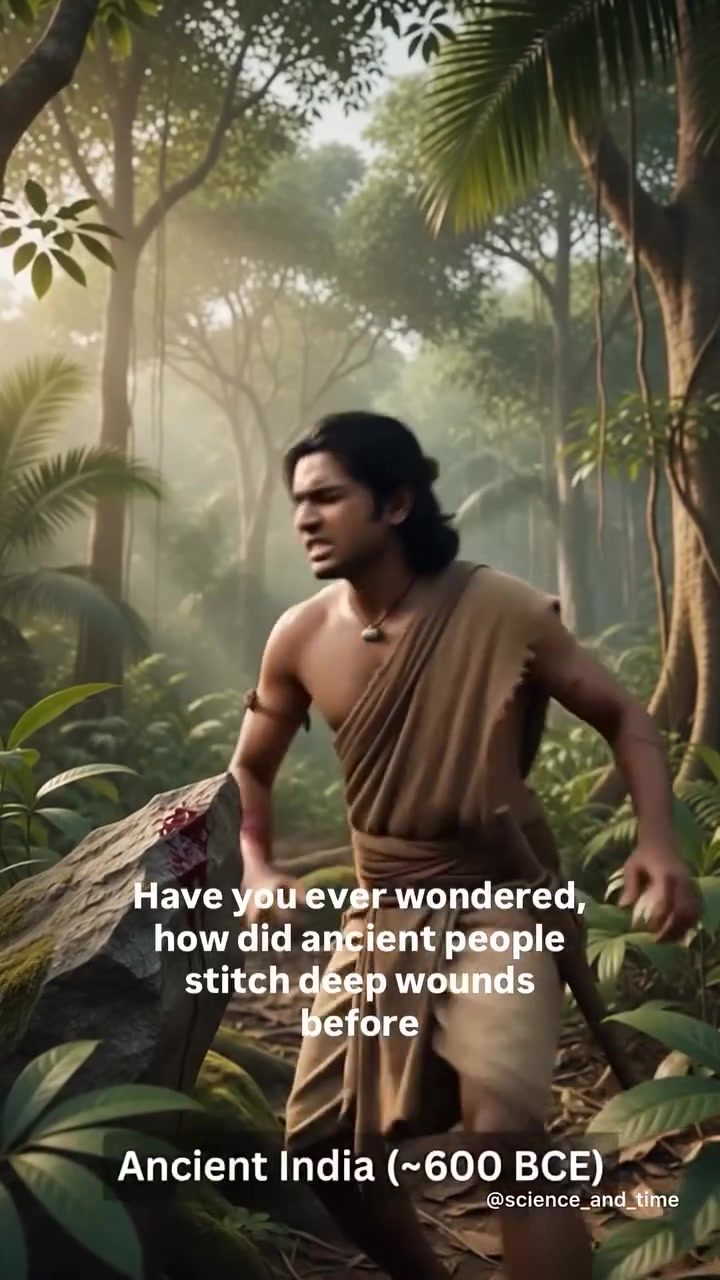
Ancient Wound Stitching and Ants
Before modern medicine, ancient healers utilized innovative methods to treat wounds. One of the most intriguing techniques involved using the powerful jaws of live weaver ants to close deep wounds. This approach, practiced in several ancient cultures, highlights the resourcefulness of early medical practitioners and the ingenious use of natural materials.
Context / Why This Matters
Understanding ancient wound treatment methods not only provides insight into the history of medicine but also offers a unique perspective on how humans have interacted with nature for survival and healing. The technique of using ants to close wounds predates modern sutures and staples, showcasing the adaptability and inventiveness of early medical practices. This method was recorded by the ancient Indian surgeon Sushruta around 600 BCE, demonstrating that ancient medical knowledge was sophisticated and effective.
Main Discussion
The Technique of Wound Closing with Ants
Weaver ants, known for their strong jaws, were strategically placed across wounds by healers. The ant's jaws would lock onto the edges of the wound, effectively holding the skin together. Once the ant's body was removed, the head remained, acting like a tiny surgical clip, keeping the wound tightly closed. This method allowed the wound to clot and begin the healing process without the ant actually healing the wound itself.
The Healing Process
The healing process involved several biological mechanisms. First, cleaning the wound was crucial to remove any debris or foreign particles. White blood cells then played a vital role by destroying germs and bacteria that could cause infection. Simultaneously, new collagen began to repair the damaged tissue, gradually sealing the skin beneath the ant heads. As the new tissue grew stronger, the ant heads could be removed, leaving the wound healed.
Ants as Natural Staples
The use of ants as natural staples was a practical and effective method for wound closure. The ants' jaws acted as a natural equivalent to modern surgical staples, holding the wound edges together while the body's natural healing processes took over. This method was particularly useful in cultures where access to modern medical supplies was limited.
Practical Tips
When considering ancient wound treatment methods, it is important to understand that these techniques were used in contexts where modern medical supplies were not available. While the use of ants is a fascinating historical method, it is not recommended for modern wound care due to the risk of infection and the availability of safer, more effective medical treatments.
Modern Analogues
Today, the principle of holding skin together while it heals is still fundamental in surgical practices. Surgical staples and sutures are commonly used to close wounds, mimicking the ancient technique but with the benefit of modern sterilization and medical technology. This highlights the enduring relevance of ancient medical knowledge in contemporary medical practices.
Important Takeaways
- Ancient Ingenuity: The use of weaver ants to close wounds showcases the ingenuity and resourcefulness of ancient healers. This method predates modern sutures and staples, demonstrating that ancient medical practices were sophisticated and effective.
- Natural Healing: The healing process involved natural biological mechanisms, including the role of white blood cells in fighting infection and collagen in repairing damaged tissue. Cleaning the wound was a crucial step before the natural healing process could begin.
- Enduring Principles: The principle of holding skin together while it heals is still a cornerstone of modern surgical practices. Surgical staples and sutures are direct descendants of the ancient technique, illustrating the enduring relevance of historical medical knowledge.
Conclusion
The practice of using weaver ants to close wounds is a testament to the ingenuity and adaptability of ancient medical practitioners. While this method may seem unconventional by modern standards, it highlights the resourcefulness of early humans in utilizing natural materials for healing. The techniques used by ancient healers continue to inspire modern medical practices, underscoring the enduring relevance of historical medical knowledge.
Watch the Reel
Questions readers ask
How did ancient cultures use weaver ants for wound care?
Ancient cultures would place live weaver ants along the edges of deep wounds. The ants' strong jaws would clamp onto the skin, acting as tiny clips to hold the wound shut and promote healing. This method was used as early as 600 BCE and before the advent of modern sutures and staples.
Where was the practice of using weaver ants for wound care prevalent?
The use of weaver ants for wound care was practiced in several ancient cultures, particularly in regions where these ants were prevalent. While the article does not specify exact locations, it is known that this technique was used in parts of Asia, Africa, and Australia, where weaver ants are commonly found.
How effective was the use of weaver ants in closing wounds?
The use of weaver ants was remarkably effective for closing wounds. The ants' jaws were strong enough to hold the skin together, providing a natural and effective means of closing deep wounds. This method allowed for proper healing and reduced the risk of infection, making it a valuable technique in pre-modern medicine.
What advantages did using weaver ants have over other ancient wound closure methods?
Using weaver ants for wound closure offered several advantages. It was a readily available resource in areas where the ants were common, it provided a natural and effective means of holding skin together, and it was likely less painful and more accessible than other methods, which may have involved using thorns or other sharp objects that could be less precise and more likely to cause further damage to the wound.
Why did the practice of using weaver ants for wound care fade with the advent of modern medicine?
As modern surgical techniques and materials, such as sutures and staples, became available, the use of weaver ants for wound care became obsolete. Modern methods offered more precision, reliability, and sterility, making them the preferred choice for wound closure. Additionally, the widespread availability of medical supplies and advancements in hygiene made older practices less necessary.
What can we learn from the ancient practice of using weaver ants for wound care?
The ancient practice of using weaver ants for wound care teaches us about the resourcefulness and ingenuity of early medical practitioners. It highlights the human ability to adapt and innovate using natural resources and provides a unique perspective on how humans have harnessed nature for healing and survival over time.
How did the use of weaver ants compare to other ancient wound closure methods?
The use of weaver ants was a more natural and biologically effective method compared to other ancient wound closure techniques, such as using plant fibers, animal sinews, or even human hair. These other methods often lacked the precision and holding power of the ants' jaws, making ant-based wound closure a more reliable option in certain contexts.
Related deep dives
Similar reads based on topic and creator.


Recent articles
Fresh deep dives from the latest Reels we unpacked.




Comments
Be the first to comment.