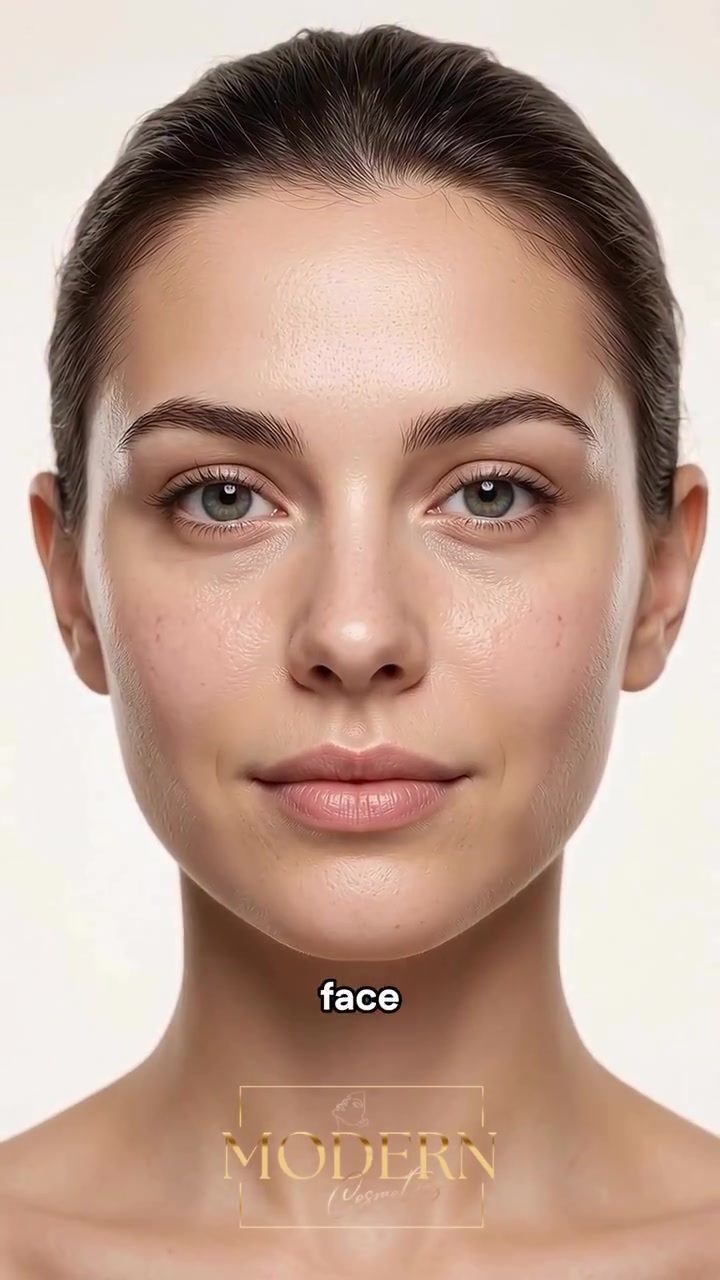
Facial Fat Pads: Understanding Their Role and Aging Effects
Facial fat pads are crucial to the structure and youthful appearance of the face, playing a significant role in how we age. These natural fat compartments help support the contours of the face, contributing to a youthful shape, balance, and soft features. As we age, these fat pads can gradually lose volume and change position, leading to noticeable changes in facial appearance. Understanding the role of facial fat pads is essential for anyone interested in maintaining a youthful appearance or considering cosmetic procedures.
Context: Why This Matters
The face is more than just skin; it is a complex combination of bone, fat, muscles, ligaments, and skin, all working together. As we age, the natural changes in these components can lead to a variety of alterations in facial structure. These changes often result in what we perceive as aging, such as hollowing, flattening, or sagging. By understanding the underlying reasons for these changes, individuals can make more informed decisions about cosmetic treatments and skincare regimens.
Main Discussion
The Role of Facial Fat Pads
Facial fat pads are distributed throughout the face, providing support and structure. These pads help maintain the youthful appearance of the face by filling out the contours and supporting the skin. The primary areas where these fat pads are located include the cheeks, under the eyes, and around the jawline. Each of these areas contributes to the overall balance and symmetry of the face.
Aging and Fat Pads
As we age, facial fat pads naturally lose volume and may shift in position. This change is part of the natural aging process and can be influenced by various factors, including genetics, hormonal changes, and environmental factors. The loss of volume in these fat pads can lead to a reduction in support for the skin, resulting in changes such as:
- Hollowing: The cheeks and under-eye areas may appear more hollow, giving a tired or gaunt look.
- Flattening: The face may lose its natural curves, resulting in a flatter appearance.
- Sagging: The skin and underlying tissues may sag, leading to a loss of definition in the jawline and other areas.
Changes in Other Facial Components
In addition to the loss of volume in facial fat pads, aging can also affect other components of the face:
- Skin: The skin becomes thinner, less elastic, and more prone to wrinkles and fine lines.
- Ligaments and Muscles: These structures can weaken and lose tone, contributing to sagging and loss of definition.
- Bone Structure: The bone structure of the face can change over time, further altering the facial contours.
The Importance of Personalized Cosmetic Consultations
Understanding the anatomy beneath the skin is the foundation of a personalized cosmetic consultation. Every face ages differently, and a thorough understanding of an individual's facial structure and the specific changes they are experiencing is crucial for effective treatment. A personalized consultation can help determine the most appropriate cosmetic procedures to address the unique needs and goals of each person.
Practical Tips
Maintaining Facial Volume
While aging is inevitable, there are steps you can take to maintain facial volume and delay the visible signs of aging:
- Skincare: A consistent skincare routine can help maintain skin health and elasticity. Look for products containing antioxidants, vitamins, and hyaluronic acid, which can help plump the skin and reduce the appearance of fine lines.
- Hydration: Staying hydrated is essential for maintaining skin volume and elasticity. Drink plenty of water and use moisturizers to keep the skin hydrated.
- Healthy Lifestyle: A balanced diet, regular exercise, and adequate sleep can all contribute to overall skin health and a more youthful appearance.
Cosmetic Procedures
For those looking to address more significant changes in facial volume, there are several cosmetic procedures available:
- Filler Treatments: Injectable fillers, such as hyaluronic acid, can temporarily restore volume to specific areas of the face, such as the cheeks and under-eye area.
- Fat Transfer: This procedure involves transferring fat from one area of the body to the face, providing a natural and long-lasting solution for volume loss.
- Surgical Procedures: For more dramatic changes, surgical procedures such as a facelift or fat grafting can help restore facial volume and contour.
Important Takeaways
The natural aging process involves changes in multiple components of the face, including facial fat pads, skin, ligaments, and bone structure. These changes can lead to noticeable alterations in facial appearance, such as hollowing, flattening, or sagging. Understanding the underlying causes of these changes and seeking personalized cosmetic consultations can help individuals make informed decisions about maintaining a youthful appearance and addressing specific concerns.
Conclusion
Facial fat pads play a crucial role in maintaining the youthful appearance of the face. As we age, changes in these fat pads and other facial components can lead to noticeable alterations in facial structure. By understanding the role of facial fat pads and seeking personalized cosmetic consultations, individuals can make informed decisions about maintaining a youthful appearance and addressing specific concerns. Maintaining a healthy lifestyle, consistent skincare routine, and considering appropriate cosmetic procedures can all contribute to a more youthful and balanced facial appearance.
Watch the Reel
Questions readers ask
What are facial fat pads and why are they important for a youthful appearance?
Facial fat pads are natural fat compartments in the face that provide structure, support, and volume. They contribute to a youthful appearance by maintaining the contours, balance, and softness of the face. As we age, changes in these pads can significantly impact how we look.
How do facial fat pads change with age?
As we age, facial fat pads can lose volume and shift position. This redistribution can lead to hollowed cheeks, a flattened mid-face, and sagging skin, all of which contribute to an aged appearance. Understanding these changes is key to addressing them effectively.
Which areas of the face are most affected by changes in facial fat pads?
Key areas affected by changes in facial fat pads include the cheeks, mid-face, and under-eye regions. Volume loss in these areas can lead to hollowing, sagging, and a more pronounced nasolabial fold. These changes can significantly alter the overall facial structure and appearance.
What role do facial ligaments play in the aging process?
Facial ligaments help maintain the position and structure of facial fat pads. As we age, these ligaments can weaken, leading to a downward shift of fat pads and contributing to facial sagging and volume loss. This process is a significant factor in the aging face.
What techniques can help maintain youthful skin and facial volume?
Techniques such as injectable fillers, facial exercises, and non-invasive skin tightening procedures can help maintain youthful skin and facial volume. These methods aim to restore lost volume, tighten skin, and improve overall facial contour. Consulting a professional can help determine the best approach based on individual needs.
How do changes in facial bone structure impact the appearance of aging?
Changes in facial bone structure, combined with fat redistribution, can exacerbate the signs of aging. As the facial skeleton changes shape and size, it can lead to a more pronounced appearance of facial fat pad loss, contributing to a hollowed, aged look.
Recent articles
Fresh deep dives from the latest Reels we unpacked.




Comments
Be the first to comment.