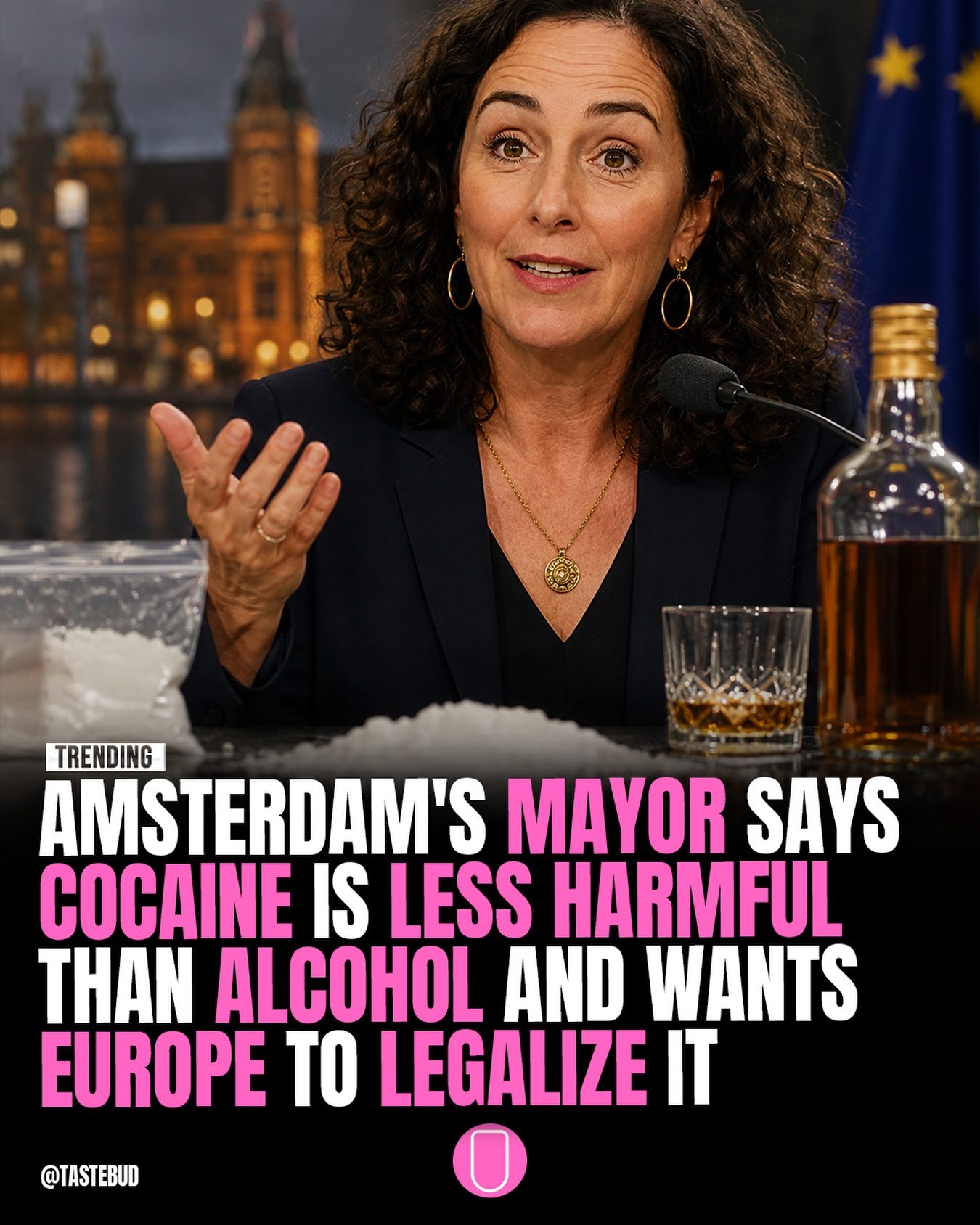
Amsterdam Mayor's Stance on Drug Legalization
Amsterdam Mayor Femke Halsema has ignited a contentious discussion by proposing that regulating cocaine could potentially result in less harm compared to maintaining the current illegal market. This stance, which contrasts with existing policies, underscores broader debates about drug legalization and its impact on public health and organized crime.
The Current Landscape of Drug Policy
Globally, drug policies vary widely, but many jurisdictions have adopted a prohibitionist approach. This approach, which criminalizes the use and distribution of certain substances, has been a cornerstone of drug policy for decades. The rationale behind this approach is often rooted in the belief that making drugs illegal will reduce their use and the associated harms. However, critics argue that prohibition has failed to eliminate demand and has instead created a lucrative underground market controlled by organized crime.
Femke Halsema's Argument
Halsema's proposal centers on the idea that legalizing and regulating cocaine could shift the power dynamics away from criminal organizations and towards public health initiatives. This approach focuses on harm reduction, which aims to minimize the negative consequences of drug use rather than eliminating use entirely. By bringing the drug market into the open, governments could implement regulations that prioritize public health and safety.
The Role of Organized Crime
One of the key points in Halsema's argument is the impact of organized crime on the drug trade. The illegal status of substances like cocaine allows criminal organizations to thrive, as they can exploit the high demand for these substances without legal oversight or competition. Legalizing and regulating cocaine could disrupt these criminal networks by making profit from this market harder to obtain. This shift could potentially reduce violence, corruption, and other harmful activities associated with criminal drug markets.
Public Health and Harm Reduction
A significant aspect of Halsema's proposal is the focus on public health. By legalizing and regulating cocaine, governments could implement measures to control the purity and safety of the substance. This approach could reduce the risks associated with adulterated or contaminated drugs, which are a significant cause of drug-related harm. Additionally, governments could provide resources for addiction treatment and support services, addressing the health risks associated with cocaine use.
The Controversy Surrounding Cocaine
The idea of legalizing cocaine is highly controversial, particularly because of the substance's serious health and addiction risks. Cocaine is a highly addictive stimulant that can lead to severe health problems, including cardiovascular issues, mental health disorders, and overdose. Critics argue that legalizing cocaine could increase its availability and use, exacerbating these health risks.
Comparative Risks: Cocaine vs. Alcohol
Halsema's statement that cocaine is less harmful than alcohol has also sparked debate. While both substances carry significant health risks, the argument is often made in the context of comparing the overall harm they cause to society. Alcohol, for example, is legal and widely available, but it is associated with a range of social and health problems, including liver disease, violence, and traffic accidents. The debate focuses on whether the harm caused by cocaine is comparable to or less than that caused by alcohol, and whether legalizing cocaine could mitigate some of the negative consequences of its current illegal status.
Practical Tips for Engaging in Public Debate
Engaging in a debate about drug legalization can be complex and emotionally charged. Here are some practical tips for navigating this conversation:
-
Stay Informed: Understand the Arguments: Before participating in the discussion, thoroughly educate yourself on the various arguments for and against drug legalization. This includes understanding the public health, legal, and social implications of different policies.
-
Acknowledge Different Perspectives: Recognize that people may have differing views based on their experiences and beliefs. Engage in respectful dialogue that acknowledges these differences.
-
Focus on Evidence: Base your arguments on evidence and data. Use reliable sources and studies to support your points.
-
Consider Public Health: Emphasize the importance of public health in any policy discussion. Highlight how policies can reduce harm and improve well-being.
-
Address Misconceptions: Challenge misconceptions about drug use and legalization. For example, clarify the differences between legalization and decriminalization, and explain how regulation can improve safety and control.
-
Engage with Contrarian Views: Listen to and engage with views that differ from your own. This can help deepen your understanding and refine your arguments.
Important Takeaways
-
Legalization vs. Prohibition: Legalizing and regulating cocaine could potentially reduce the power of organized crime and improve public health outcomes.
-
Health Risks: While legalization could mitigate some risks, it's crucial to acknowledge the significant health and addiction risks associated with cocaine.
-
Public Debate: Engaging in informed, respectful debate is essential for advancing the discussion on drug policy.
Conclusion
Amsterdam Mayor Femke Halsema's proposal to legalize and regulate cocaine raises critical questions about drug policy, public health, and organized crime. While the idea remains highly controversial, it invites a broader conversation about the effectiveness of current drug policies and the potential benefits and risks of alternative approaches. By engaging in informed, evidence-based discussions, we can contribute to a more nuanced understanding of how to address the complex issues surrounding drug use and public health.
Watch the Reel
Questions readers ask
What specific changes is Amsterdam's mayor proposing with her drug policy plan?
Amsterdam's mayor, Femke Halsema, is proposing the legalization and regulation of cocaine. This means that instead of being an illicit substance, cocaine would be controlled and regulated by the government, aiming to reduce the harmful effects of the current illegal market.
How does Amsterdam's mayor believe drug legalization will impact organized crime?
By legalizing and regulating cocaine, Amsterdam's mayor argues that the power and influence of organized crime groups, which currently profit from the illegal drug trade, would significantly decrease. This is because the legal market would cut off a major revenue source for these criminal networks.
What are the current drug policies in Amsterdam and how do they differ from the proposed changes?
Currently, Amsterdam follows a prohibitionist approach, which makes the use and distribution of drugs like cocaine illegal. This contrasts with the mayor's proposal, which aims to legalize and regulate these substances to potentially reduce harm and curb organized crime.
What are some of the potential benefits of Amsterdam's proposed drug regulation policies?
The proposed drug regulation policies in Amsterdam could lead to several benefits, including reduced harm to users, decreased influence of organized crime, and potentially more effective control over the drug market through regulation and taxation.
How does Amsterdam's drug policy compare to other global approaches?
Amsterdam's proposed drug policy differs from many global approaches that currently adopt a prohibitionist stance. While many countries criminalize drug use and distribution, Amsterdam's mayor is advocating for a shift towards legalization and regulation, aligning with a smaller group of jurisdictions exploring this alternative approach.
What are the main arguments against Amsterdam's proposed drug legalization plan?
Critics of Amsterdam's proposed drug legalization plan argue that it could potentially increase drug use, as drugs would be more accessible. Additionally, opponents may express concerns about the safety and ethical implications of legalizing substances like cocaine, which can have significant health risks.
What steps would Amsterdam need to take to implement the proposed drug legalization plan?
To implement the proposed drug legalization plan, Amsterdam would need to develop a comprehensive regulatory framework. This would involve setting guidelines for production, distribution, and sale, as well as establishing measures to ensure public health and safety. The city would also need to address legal and international implications, as drug policies are often subject to broader national and international laws.
Recent articles
Fresh deep dives from the latest Reels we unpacked.




Comments
Be the first to comment.