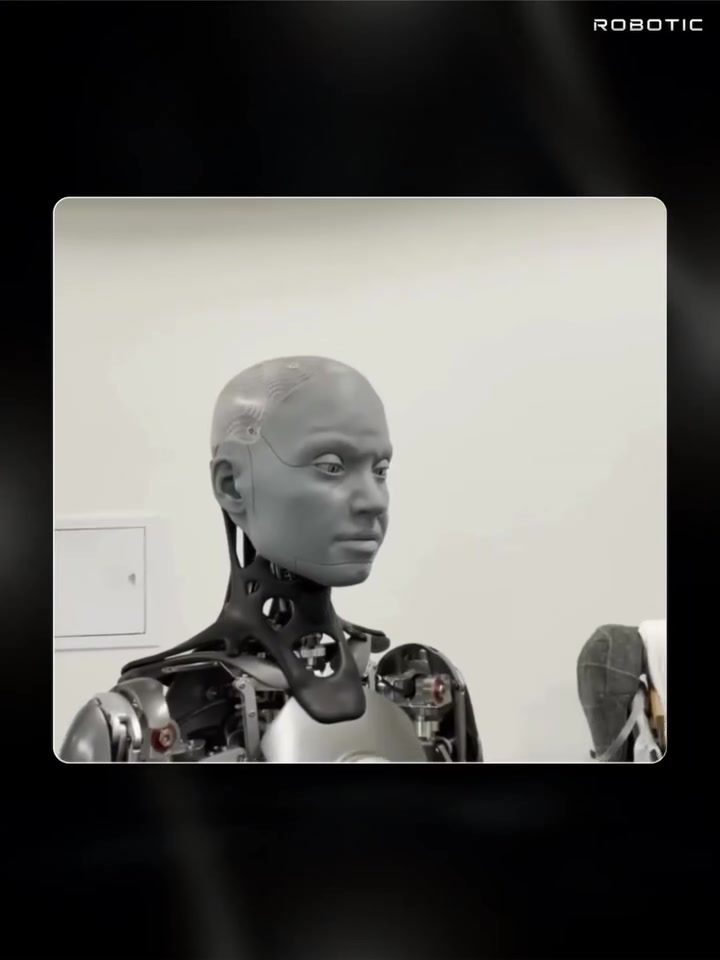
Robotic Heads: Pioneering Human-Robot Interaction
Robotic heads are at the forefront of human-robot interaction, showcasing how advanced technology can create more natural and intuitive communication between humans and machines. These sophisticated systems are designed to mimic human-like expressions and movements, paving the way for a future where robots can interact with us more seamlessly.
Context: The Importance of Natural Human-Robot Interaction
The integration of robotic heads into our daily lives holds immense potential. Human-robot interaction (HRI) aims to bridge the gap between human and artificial intelligence, making machines more approachable and useful in various settings, from healthcare to customer service. The development of robotic heads that can accurately respond to human gestures and expressions is a significant milestone in this journey. By understanding and reacting to human behavior, these robots can enhance user experience and promote safer, more intuitive interactions.
Main Discussion
The Technology Behind Robotic Heads
Robotic heads are equipped with a suite of sensors and AI systems that enable them to understand and respond to their environment. Advanced robotic heads, such as those developed by Engineered Arts, use a combination of cameras, motion tracking, and artificial intelligence. These technologies allow the robot to detect distance, movement, and touch, enabling it to adjust its facial expressions and arm movements in real-time based on the information gathered from its built-in sensors.
Sensors and AI Systems in Robotic Heads
Robotic heads use a variety of sensors to gather information about their surroundings. Cameras and motion tracking systems help the robot detect and respond to human movements and proximity. These sensors work in conjunction with AI systems to process the data and make appropriate responses. For example, if a person places a finger near the robotic head, the AI system can interpret this gesture and adjust the robot's facial expressions or movements accordingly.
Real-Time Interaction and Response
One of the most impressive aspects of robotic heads is their ability to interact with humans in real-time. When a person gestures or moves near the robot, the sensors and AI systems work together to analyze the movement and determine the appropriate response. This real-time interaction is crucial for creating a natural and intuitive experience for users, making the robot feel more like a partner and less like a machine.
Applications of Robotic Heads
Robotic heads have a wide range of applications, from healthcare to customer service. In healthcare, robotic heads can assist doctors and nurses by providing patients with a more natural and empathetic interaction. In customer service, robots equipped with humanoid heads can offer more personalized and effective service, improving customer satisfaction. Additionally, robotic heads can be used in education, entertainment, and other fields where natural human-robot interaction is beneficial.
Challenges in Developing Robotic Heads
While the progress made in robotic heads is impressive, there are still significant challenges to overcome. One of the biggest challenges is ensuring that robotic heads can respond to human behavior safely and appropriately. This involves developing sophisticated AI systems that can accurately interpret human gestures and expressions and respond in a way that is both safe and effective. Additionally, designing robotic heads that can operate in various environments and conditions is a major hurdle.
Practical Tips for Enhancing Human-Robot Interaction
Designing Intuitive Interfaces
When designing robotic heads, it's important to focus on creating intuitive interfaces that make it easy for humans to interact with the robot. This involves designing facial expressions and movements that are easy to understand and respond to, as well as providing clear visual and auditory feedback to guide users.
Ensuring Safety and Security
Safety is a critical consideration when developing robotic heads. Ensuring that the robot can respond to human behavior safely and appropriately is essential for creating a positive user experience. This involves implementing safety protocols and using sensors and AI systems to monitor the robot's surroundings and adjust its behavior as needed.
Testing and Iteration
Continuous testing and iteration are crucial for improving the effectiveness of robotic heads. By conducting user testing and gathering feedback, developers can identify areas for improvement and make necessary adjustments. This iterative process helps ensure that the robotic head can provide a natural and intuitive interaction experience.
Important Takeaways
Robotic heads represent a significant advance in human-robot interaction, offering a more natural and intuitive way for humans to communicate with machines. By using advanced sensors and AI systems, these robots can detect and respond to human movements and gestures in real-time, creating a seamless and effective interaction experience. However, there are still challenges to overcome, particularly in ensuring safety and developing robots that can operate in various environments.
Conclusion
The future of human-robot interaction is bright, thanks to the advancements in robotic heads. As these technologies continue to evolve, we can expect to see more sophisticated and intuitive robots that can interact with humans in a natural and effective way. By focusing on design, safety, and continuous improvement, we can create robotic heads that enhance our daily lives and open up new possibilities for human-robot collaboration.
Watch the Reel
Questions readers ask
What makes Ameca's robotic head stand out in the field of human-robot interaction?
Ameca's robotic head stands out due to its advanced ability to mimic human expressions and movements. This makes interactions with the robot feel more natural and intuitive, setting a new benchmark for humanoid robotics.
How do robotic heads use AI to enhance user experiences?
Robotic heads utilize AI to detect and respond to human behavior in real-time. This enables them to engage in more meaningful interactions, making user experiences safer and more engaging.
In what ways can robotic heads improve customer service?
By mimicking human-like expressions and responding appropriately to customers, robotic heads can create a more approachable and efficient customer service experience. They can assist in various roles, from providing information to handling transactions.
What role do sensors play in the functionality of robotic heads?
Sensors are crucial for robotic heads as they enable the detection of human behavior and environmental changes. This data is processed to facilitate accurate and timely responses, enhancing the overall interaction.
How might robotic heads transform the healthcare industry?
Robotic heads in healthcare can offer companionship, monitor patient well-being, and even assist in therapy sessions. Their ability to mimic human expressions can make them more effective in providing emotional support and engagement.
What are the key components that drive the future of robotics in human-robot interaction?
Key components driving the future of robotics in human-robot interaction include advanced AI algorithms, sophisticated sensors, and the development of more lifelike robotic expressions and movements. These technologies work together to create more seamless and intuitive interactions.
Can robotic heads be integrated into everyday devices and appliances?
Yes, the technology behind robotic heads can be integrated into various devices and appliances, making them more interactive and user-friendly. For example, smart home devices could use similar technologies to better respond to user needs and preferences.
Related deep dives
Similar reads based on topic and creator.



Recent articles
Fresh deep dives from the latest Reels we unpacked.




Comments
Be the first to comment.