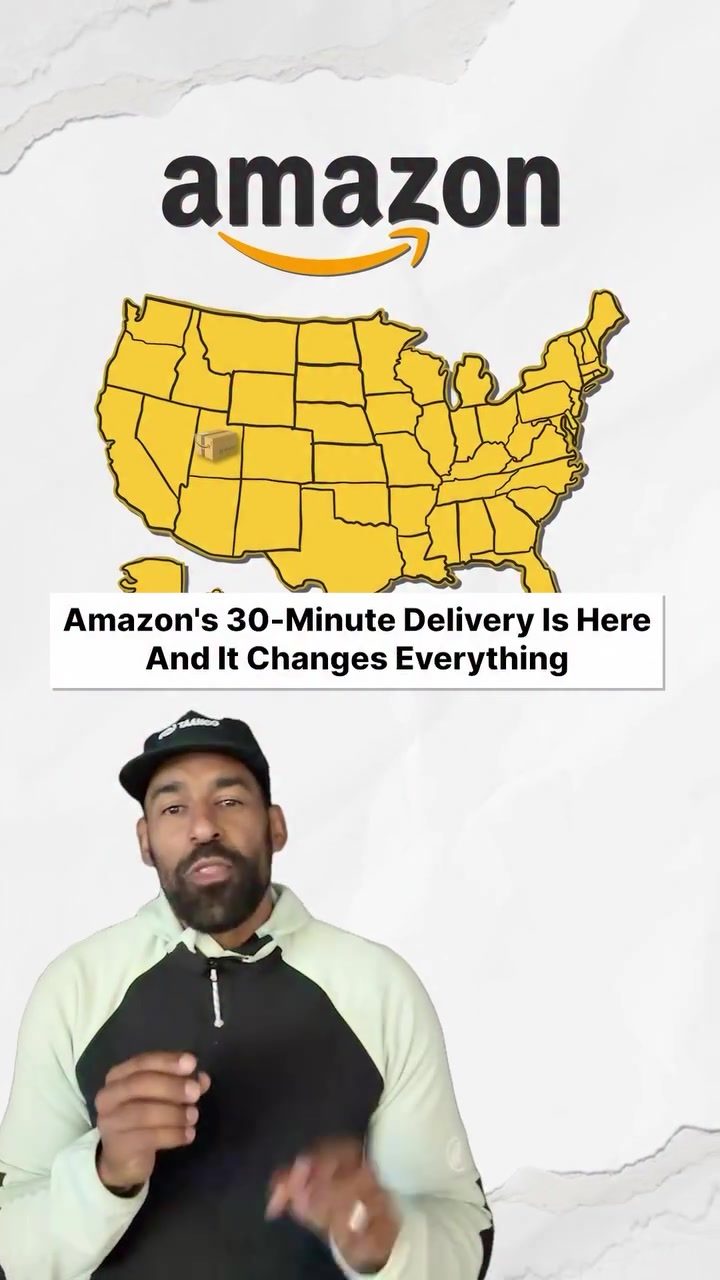
30-Minute Delivery: The New Standard Set by Amazon
Amazon has revolutionized the delivery landscape with its 30-minute delivery service, a game-changer that is rapidly becoming the new industry standard. This service, which promises fresh groceries, household essentials, and electronics delivered to your doorstep in less time than it takes to drive to the store, is already available in dozens of cities, including Atlanta, Dallas, and Seattle. By the end of the year, tens of millions of customers will have access to this ultra-fast delivery option, with internal tests showing delivery times as quick as 19 to 23 minutes.
The Shift in Customer Expectations
The introduction of 30-minute delivery marks a significant shift in customer expectations. Speed is no longer just a feature; it's the entire product. This trend is evident across various industries, not just in delivery services. In the realm of artificial intelligence, for example, the focus is on faster answers, faster code, faster diagnoses, and faster creative output. The companies leading the charge in these areas have one thing in common: they collapse the time between a need and its fulfillment.
Examples of Speed-Driven Innovation
Several companies have successfully collapsed the time between a customer's need and its satisfaction. Uber, for instance, has reduced the time between the need for a ride and the arrival of a car. DoorDash has minimized the time between hunger and eating. ChatGPT has shrunk the gap between having a question and getting an answer. Amazon's new delivery service takes this a step further by collapsing the time between needing an item, like toothpaste, and having it delivered to your door.
The Role of Micro-Fulfillment Infrastructure
Amazon's ability to offer 30-minute delivery is backed by a sophisticated micro-fulfillment infrastructure. The company has built a network of small neighborhood hubs strategically located to ensure rapid delivery times. These hubs, often hidden in plain sight, are designed to pull off this logistical feat efficiently. Every major retailer will soon need a similar infrastructure to keep up with the evolving customer expectations.
The Importance of Real-Time Logistics Software
The shorter the delivery window, the more complex the logistics become. Real-time logistics software is crucial for optimizing routes and ensuring that deliveries are made on time. Companies that can solve the last-mile optimization problem will own the rails in this new era of speed-driven consumer expectations.
Speed as the New Moat
In today's competitive landscape, speed is the new moat. Companies that can deliver a quality experience faster will win. Those that take too long will lose. This principle applies across all industries and business models. The next generation of direct-to-consumer (D2C) brands will compete not on price or product, but on how fast they can put their product in the hands of the customer.
Practical Tips for Retailers
For retailers looking to stay competitive in this new landscape, here are some practical tips:
-
Invest in Micro-Fulfillment Hubs: Build or partner with companies that have micro-fulfillment infrastructure. These hubs are essential for delivering products quickly.
-
Implement Real-Time Logistics Software: Use advanced software to optimize routing and ensure efficient delivery.
-
Focus on Speed: Make speed a core part of your business strategy. The faster you can deliver, the more competitive you will be.
-
Collaborate with AI and Tech Companies: Partner with companies that can help you integrate AI and other technologies to accelerate your processes.
Important Takeaways
The launch of Amazon's 30-minute delivery service is a wake-up call for retailers everywhere. Speed is the new standard, and those who can deliver faster will win. Micro-fulfillment infrastructure, real-time logistics software, and a focus on speed are crucial for staying competitive in this new era.
Conclusion
The future of delivery is here, and it's fast. Amazon's 30-minute delivery service is setting a new standard that other retailers will need to match. By investing in micro-fulfillment infrastructure and real-time logistics software, retailers can stay competitive and meet the evolving expectations of customers. Speed is the new moat, and those who can deliver faster will win.
Watch the Reel
Questions readers ask
How does Amazon's 30-minute delivery service work?
Amazon's 30-minute delivery service operates by offering a streamlined process where customers can order essential items, groceries, and electronics. Once an order is placed, Amazon's efficient logistics network ensures that the items are picked, packed, and delivered to the customer's doorstep within 30 minutes. This is often accomplished through a combination of local warehouses, dedicated delivery teams, and optimized routing.
In which cities is the 30-minute delivery service currently available?
Amazon's 30-minute delivery service is currently available in several major metropolitan areas, including Atlanta, Dallas, and Seattle. The service is rapidly expanding, with the goal of reaching tens of millions of customers by the end of the year. As Amazon continues to invest in its logistics infrastructure, more cities are expected to gain access to this ultra-fast delivery option.
What types of products can be delivered in 30 minutes through Amazon?
The 30-minute delivery service covers a wide range of products, including fresh groceries, household essentials, and electronics. This convenience is designed to meet the immediate needs of customers, allowing them to receive items quickly without the hassle of traveling to a physical store.
How does Amazon ensure such fast delivery times?
Amazon achieves its fast delivery times through a combination of strategic warehousing, efficient routing, and a dedicated delivery fleet. By positioning inventory closer to customers and optimizing delivery routes, Amazon can reduce the time it takes for products to reach consumers. Additionally, the company employs advanced technology and data analytics to further streamline the delivery process.
Is the 30-minute delivery service available to all Amazon customers?
Initially, the 30-minute delivery service is available to Amazon Prime members in select cities. However, Amazon is actively expanding this service, and more customers can expect to gain access as the program rolls out to additional locations. Keep an eye on Amazon's announcements for updates on availability in your area.
What are the benefits of using Amazon's 30-minute delivery service?
The primary benefits of Amazon's 30-minute delivery service include unparalleled convenience and time-saving advantages. Customers can quickly restock essentials, pick up last-minute items, or receive urgent purchases, all without leaving their homes. This service is particularly useful for busy individuals who value their time and prefer the ease of online shopping.
What impact has the 30-minute delivery service had on consumer expectations?
The 30-minute delivery service has significantly raised the bar for consumer expectations regarding delivery speeds. Customers now anticipate rapid and reliable delivery options, influencing their purchasing decisions and setting new standards across multiple industries. This shift is pushing other retailers to enhance their delivery services to remain competitive.
Related deep dives
Similar reads based on topic and creator.




Recent articles
Fresh deep dives from the latest Reels we unpacked.




Comments
Be the first to comment.