Amazon River Depth Comparison
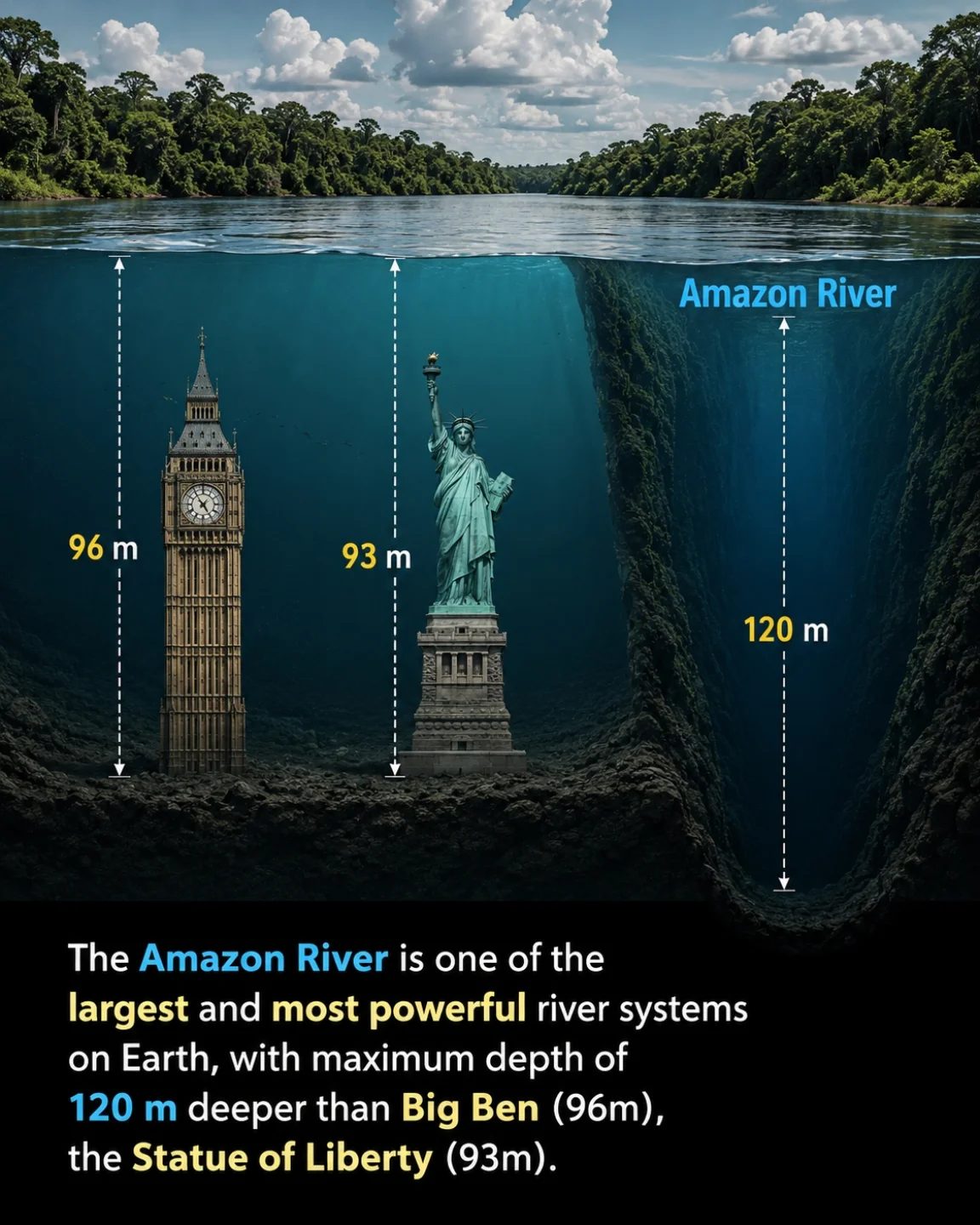
The Amazon River is renowned for being one of the largest and most powerful river systems on Earth. To put its depth into perspective, it’s essential to compare it to some of the world's most iconic landmarks. The Amazon River reaches a maximum depth of 120 meters, making it significantly deeper than both Big Ben and the Statue of Liberty. This comparison not only highlights the river's vastness but also underscores its importance in the global ecosystem.
Context / Why This Matters
Understanding the depth and scale of the Amazon River is crucial for several reasons. Firstly, it provides a deeper appreciation for the natural world and the sheer power of water systems. Secondly, it helps in comprehending the environmental impact of human activities on such a massive scale. Lastly, it highlights the significance of the Amazon River in global hydrology and ecology.
Main Discussion
The Amazon River: A Natural Wonder
The Amazon River is often referred to as the "lungs of the Earth" due to its role in producing oxygen and absorbing significant amounts of carbon dioxide. It spans over 6,400 kilometers, flowing through the heart of South America. This vast waterway supports an incredible diversity of plant and animal life, making it a critical habitat for countless species.
Depth and Significance
The Amazon River’s depth varies significantly along its course, with the deepest sections reaching up to 120 meters. This immense depth allows the river to hold a vast amount of water, contributing to its role as a major regulator of the global water cycle. The river’s depth also facilitates navigation, making it an essential waterway for both transportation and trade.
Comparative Depth Analysis
To truly grasp the Amazon's depth, let's compare it to two of the world's most recognizable landmarks:
-
Big Ben: Standing at 96 meters, the iconic clock tower in London is dwarfed by the Amazon River's maximum depth.
-
Statue of Liberty: The Statue of Liberty, a symbol of freedom and a major tourist attraction, is 93 meters tall, also significantly shorter than the deepest parts of the Amazon River.
These comparisons underscore the Amazon River's colossal scale and its profound impact on the environment.
Ecological Impact
The Amazon River’s depth and flow are crucial for maintaining the health of the rainforest. The river distributes nutrients and water across vast areas, supporting the diverse flora and fauna. The river's depth and flow also help to regulate the climate, influencing weather patterns not just in South America but globally.
Human Interaction
The Amazon River has been a critical source of livelihood for indigenous communities for centuries. Its depth and flow support fishing, transportation, and agriculture. However, human activities such as deforestation, mining, and pollution pose significant threats to the river's health and the communities that depend on it.
Practical Tips
While it’s impossible to visit every part of the Amazon River, there are several ways to experience and appreciate its depth and significance:
-
River Cruises: Embark on a river cruise to explore the Amazon’s depths firsthand. These cruises offer guided tours and opportunities to spot wildlife.
-
Educational Resources: Use online resources, documentaries, and books to learn more about the Amazon River’s ecology, history, and significance.
-
Conservation Efforts: Participate in or support conservation efforts aimed at protecting the Amazon River and its surrounding ecosystems. This can involve anything from volunteering for local organizations to donating to global conservation initiatives.
-
Virtual Tours: Utilize virtual tours and simulations to explore the Amazon River from the comfort of your home. Many institutions offer virtual experiences that provide detailed insights into the river’s ecosystem and cultural significance.
Important Takeaways
The Amazon River's depth of 120 meters is a testament to its vastness and power. This comparison to famous landmarks like Big Ben and the Statue of Liberty helps visualize the river's scale and importance. The river's depth is not just a geographical feature but also a critical component of the global ecosystem, supporting diverse wildlife and influencing weather patterns.
Human interaction with the Amazon River has both positive and negative impacts. While it supports livelihoods and ecosystems, it is also threatened by human activities. Understanding the river’s significance and taking steps to protect it is essential for preserving one of the world’s most vital natural resources.
Conclusion
The Amazon River is more than just a body of water; it is a lifeline for countless species and communities. Its depth, reaching 120 meters, places it in a league of its own, dwarfing even the most iconic landmarks. By appreciating and understanding the Amazon River, we can better grasp the importance of preserving such natural wonders.
Watch the Reel
Questions readers ask
What is the maximum depth of the Amazon River?
The Amazon River reaches a maximum depth of 120 meters. This depth makes it one of the deepest river systems in the world, significantly surpassing many iconic landmarks.
How does the Amazon River's depth compare to the Statue of Liberty?
The Amazon River is much deeper than the Statue of Liberty. The river reaches a maximum depth of 120 meters, while the Statue of Liberty stands at approximately 93 meters from the ground to the tip of the torch.
Is the Amazon River deeper than Big Ben?
Yes, the Amazon River is deeper than Big Ben. The river's maximum depth of 120 meters far exceeds the height of Big Ben, which is about 96 meters tall, including the base to the top of the clock tower.
Why is the depth of the Amazon River important to understand?
Understanding the depth of the Amazon River is important for appreciating its role in the global ecosystem. It provides insights into the river's influence on hydrology, ecology, and its significance as a vital waterway for transportation and trade.
How does the depth of the Amazon River compare to other rivers around the world?
The Amazon River is renowned for being one of the deepest rivers, but it's not the deepest worldwide. For instance, the Congo River in Africa is deeper, reaching depths of up to 220 meters. However, the Amazon River remains a remarkable waterway due to its sheer size and depth.
What role does the Amazon River play in global hydrology and ecology?
The Amazon River plays a crucial role in global hydrology and ecology. Its vast depth and size make it a significant contributor to the world's freshwater supply, influencing climate patterns and supporting a diverse range of plant and animal life. Additionally, it serves as a critical waterway for transportation and trade, connecting communities and facilitating economic activities.
What does the depth of the Amazon River tell us about the river’s importance in transportation and trade?
The depth of the Amazon River is vital for its role as a key transportation and trade waterway. Its significant depth allows for the navigation of large vessels, enabling the efficient transport of goods and people. This makes the river indispensable to the economies of the regions it traverses, particularly for industries like logging, agriculture, and manufacturing.
Related deep dives
Similar reads based on topic and creator.


Recent articles
Fresh deep dives from the latest Reels we unpacked.




Comments
Be the first to comment.