Night Rivers in the Amazon: The Allure and Danger of the Jacaré-açu
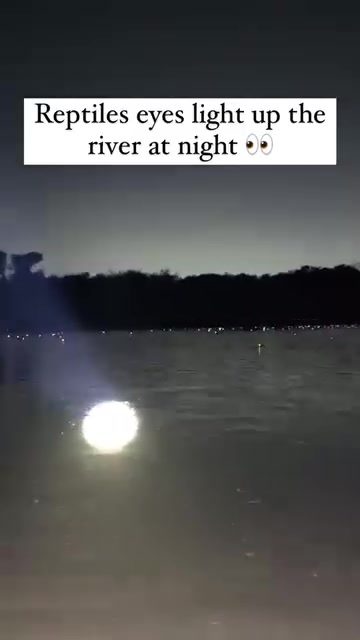
The Amazon rainforest, with its vast and intricate waterways, holds a myriad of natural wonders. One of the most intriguing phenomena is the eerie glow of reptile eyes reflecting on the surface of nighttime rivers. This spectacle, often consisting of caimans or jacaré-açu, is both awe-inspiring and unsettling.
Context / Why This Matters
The Amazon region is a tapestry of diverse ecosystems, and the rivers play a crucial role in shaping its biodiversity. The sight of reptile eyes reflecting on the water's surface isn't just a visually captivating phenomenon; it's a testament to the region's abundant wildlife and the delicate balance of its ecosystems. Understanding this phenomenon helps us appreciate the Amazon's natural wonders and the challenges they face.
The Mystery of the Glowing Eyes
The most striking feature of this nighttime river scene is the myriad of glowing eyes that seem to dot the water's surface. These "lights" are actually the reflective eyes of jacaré-açu, a large species of caiman native to the Amazon. The eyes of these reptiles contain a layer of reflective cells called the tapetum lucidum, which amplifies available light. This adaptation allows jacaré-açu to see clearly in low-light conditions, making them formidable predators.
The Allure of the Nighttime River
The sight of these glowing eyes can be both enchanting and disconcerting. Imagine standing on the riverbank at night, gazing at what seems like a constellation of stars reflected on the water. However, as the eyes begin to blink and move, the illusion is shattered, revealing the presence of numerous large reptiles lurking just below the surface. This stark contrast between beauty and danger is a characteristic of the Amazon's allure.
These reflections can sometimes be mistaken for city lights from a distance. However, upon closer inspection, the true nature of these lights becomes apparent. They are a clear indication of the presence of jacaré-açu, which are common in the Amazon but can be absent in other river bodies.
The Jacaré-açu
The jacaré-açu, also known as the black caiman, is one of the largest predators in the Amazon. Their habitat stretches from the Amazon to the Rio Negro. These reptiles can grow up to 6 meters (20 feet) in length and are known for their powerful jaws and stealthy hunting techniques. They are apex predators, feeding on a variety of animals, including fish, birds, and even mammals.
The presence of these large reptiles in such numbers is a testament to the health and stability of the Amazon's ecosystems. They play a crucial role in maintaining the balance of the ecosystem by controlling the populations of their prey.
The Ribera’s Reality
For those who live along the Amazon River, the sight of these glowing eyes is a part of everyday life. The river is not only a source of water and food but also a place of constant vigilance. The presence of these large reptiles means that nighttime activities, such as fishing, are fraught with danger. The riverbank dwellers, or ribeirinhos, have developed a deep understanding of the river's rhythms and the behavior of its inhabitants.
The Wonders and Dangers of the Amazon
The nighttime river scene is a poignant reminder of the Amazon's dual nature: a place of breathtaking beauty and hidden dangers. The reflective eyes are a symbol of the intricate web of life that thrives in this vast and complex ecosystem. The Amazon, with its rich biodiversity, is a place where survival depends on a delicate balance of nature's forces.
Practical Tips
For those who venture into the Amazon at night, it is crucial to be aware of the potential dangers. Here are some practical tips to keep in mind:
Safety on the River
- Stay Alert: Always be vigilant, especially at night. The reflective eyes of the jacaré-açu are a clear indication of their presence, so be cautious and avoid areas where they are known to frequent.
- Use Proper Gear: Equip yourself with the right tools, such as strong flashlights. The light can help you spot the caimans from a distance and give you a chance to avoid them.
- Stay Aware of Your Surroundings: Pay attention to the natural signs around you. The behavior of other animals and the sounds of the forest can often warn you of potential danger.
Conservation
- Respect the Environment: The Amazon is a fragile ecosystem. Be mindful of your actions and minimize your impact on the environment.
- Support Conservation Efforts: Many organizations are working to protect the Amazon and its inhabitants. Consider supporting these efforts through donations or volunteering.
Important Takeaways
- The Amazon's Unique Biodiversity: The river’s ecosystem is teeming with life, and the presence of jacaré-açu is a testament to its rich biodiversity.
- Understanding and Respecting the Environment: By understanding the natural behaviors of the Amazon's inhabitants, we can better appreciate and protect this vital ecosystem.
- Safety First: Those who venture into the Amazon must be mindful of the potential dangers and take the necessary precautions to ensure their safety.
Conclusion
The nighttime river scene in the Amazon, with its eerie glow of jacaré-açu eyes, is a mesmerizing spectacle that highlights the region's unique beauty and inherent dangers. This phenomenon reminds us of the Amazon's delicate balance and the need to protect its diverse ecosystems. By understanding and respecting the natural wonders of the Amazon, we can ensure that future generations will continue to marvel at its beauty.
Watch the Reel
Questions readers ask
What causes the Amazon River's nighttime glow?
The Amazon River's nighttime glow is primarily caused by the reflective eyes of jacaré-açu, a type of caiman, which create a mesmerizing spectacle as they float on the river's surface. The reflection of light from their eyes against the dark water gives the illusion of a glowing river.
What is a jacaré-açu and where can they be found?
The jacaré-açu is a large species of caiman, one of the largest in South America. They are found in the Amazon River and other waterways throughout the Amazon rainforest. This reptile plays a significant role in the ecosystem, helping control populations of other animals.
Are the Amazon River tours available to see the nighttime glow?
Yes, there are specialized Amazon River tours that offer nighttime excursions to witness the phenomenon. These tours are typically led by experienced guides who are familiar with the local wildlife and can provide a safe and informative experience.
What other nocturnal animals can be seen in the Amazon River at night?
In addition to jacaré-açu, the Amazon River is home to a variety of nocturnal animals. These include different species of fish, birds, and mammals, such as the black caiman, giant river otters, and various types of fish. Each species contributes to the unique biodiversity of the Amazon ecosystem.
Is the Amazon River's nighttime glow a form of bioluminescence?
No, the Amazon River's nighttime glow is not the same as bioluminescence. Unlike bioluminescence, which is the production and emission of light by a living organism, the glow is caused by the reflection of light from the eyes of the reptiles and other nocturnal animals against the dark water.
What challenges does the Amazon ecosystem face?
The Amazon ecosystem faces numerous challenges, including deforestation, pollution, and climate change. These factors can disrupt the delicate balance of the ecosystem and threaten the survival of various species, including the jacaré-açu. Conservation efforts are crucial to preserving the region's natural splendor and biodiversity.
What can I do to help protect the Amazon River's ecosystem?
To help protect the Amazon River's ecosystem, consider supporting conservation organizations that work to preserve the region's biodiversity. Additionally, being mindful of your consumption habits and reducing your carbon footprint can contribute to the preservation of the Amazon's delicate ecosystems.
Related deep dives
Similar reads based on topic and creator.


Recent articles
Fresh deep dives from the latest Reels we unpacked.


Comments
Be the first to comment.