Plastic-Eating Fungus
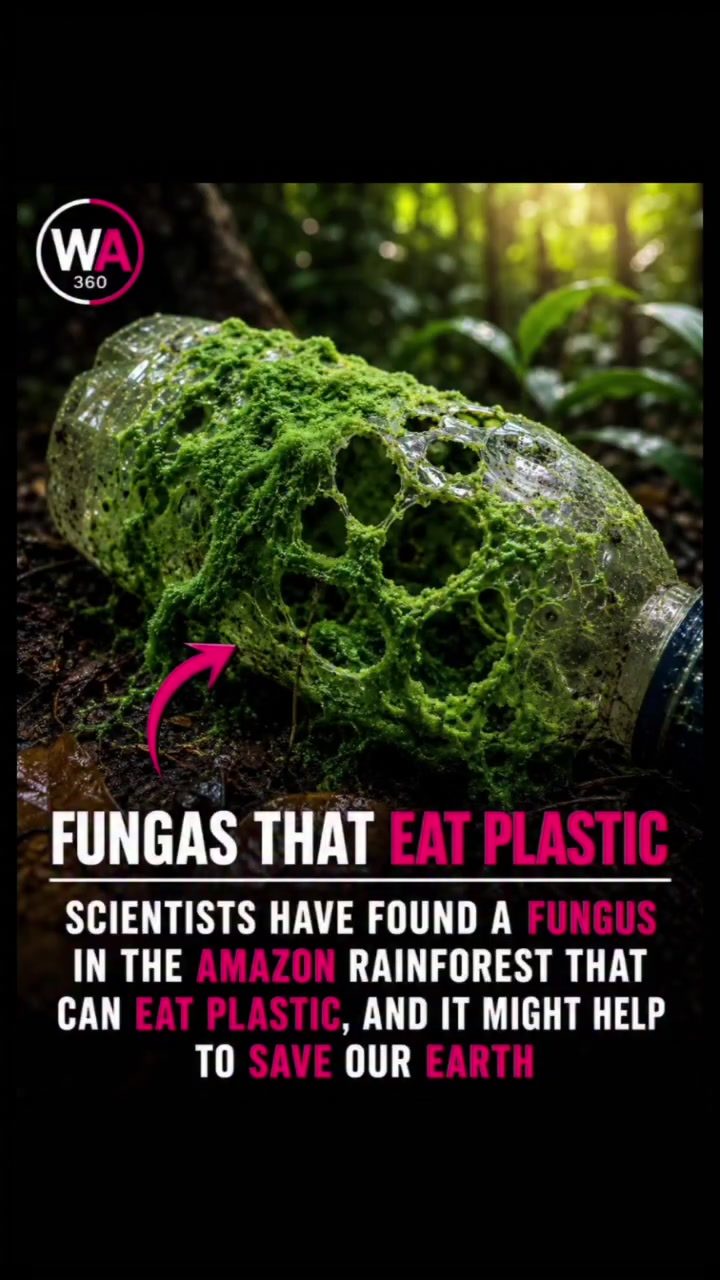
In the heart of the Amazon rainforest, scientists have uncovered a fascinating discovery: a fungus with the extraordinary ability to break down certain types of plastic. This remarkable fungus offers a glimmer of hope in the global fight against plastic pollution, a persistent environmental challenge that threatens ecosystems and human health alike.
Context / Why this matters
Plastic pollution is a pressing global issue. Every year, millions of tons of plastic waste end up in our oceans, landfills, and natural environments. Traditional waste management methods, such as recycling and incineration, have proven inadequate in tackling this growing crisis. The discovery of a plastic-eating fungus in the Amazon rainforest presents a potential new approach to addressing this problem, leveraging the power of nature to create sustainable solutions.
Main discussion
The Discovery
The fungus is capable of decomposing certain types of plastic, making it a significant area of interest for scientific research. This fungus stands out because it can break down plastic even in low-oxygen environments, a condition often present in landfills and other waste disposal sites. Unlike conventional waste management methods, this fungus offers a natural and potentially more sustainable way to decompose plastic waste.
How It Works
The fungus achieves this by secreting enzymes that break down the polymer chains found in plastics. These enzymes effectively digest the plastic, turning it back into its basic components. The exact mechanisms and the range of plastics this fungus can degrade are still under investigation, but the initial findings are promising.
Potential Impact
While the fungus is not yet a complete solution to the world's plastic crisis, it represents a significant step forward. Its ability to naturally decompose plastic in challenging environments opens up new avenues for sustainable waste management.
Protecting Biodiversity
Protecting ecosystems like the Amazon is not only crucial for wildlife but also for the discoveries they hold. The Amazon rainforest is home to an immense diversity of plant and animal life, many of which have yet to be discovered and studied. These biodiversity hotspots are treasure troves of potential solutions to the environmental challenges we face.
Practical Tips
Reducing Plastic Use
One of the most effective ways to combat plastic pollution is to reduce our reliance on plastic products. Opt for reusable items such as water bottles, shopping bags, and containers. By making these small changes, you can significantly reduce the amount of plastic waste you generate.
Supporting Sustainable Practices
Support businesses and initiatives that prioritize sustainable practices and eco-friendly products. This helps drive demand for more sustainable solutions and encourages innovation in the industry.
Advocating for Conservation
Advocate for the protection and preservation of natural ecosystems. Policies that safeguard biodiversity not only help protect wildlife but also ensure that we can continue to benefit from the natural solutions they offer.
Participating in Clean-Up Efforts
Join local clean-up efforts and community initiatives aimed at reducing plastic waste in your area. By actively participating, you contribute to a cleaner environment and send a strong message about the importance of sustainable waste management.
Important Takeaways
Nature's Solutions
The discovery of the plastic-eating fungus underscores the importance of preserving natural ecosystems. Sometimes, the smallest organisms can have the biggest impact, and biodiversity remains a crucial source of sustainable solutions.
Innovative Technologies
This breakthrough highlights the potential for innovative technologies inspired by nature. As we continue to explore and understand the natural world, we may uncover more solutions to the environmental challenges we face.
Protecting the Amazon
The Amazon rainforest is a critical ecosystem and an invaluable resource for scientific discovery. Protecting it is essential not only for its wildlife but also for the potential benefits it holds for humanity.
Sustainable Living
Adopting sustainable practices in our daily lives can significantly reduce plastic pollution. By making conscious choices and supporting eco-friendly initiatives, we can contribute to a cleaner, healthier planet.
Conclusion
The discovery of a plastic-eating fungus in the Amazon rainforest is a testament to the power of nature and the incredible potential it holds for solving our environmental challenges. While this fungus is not a complete solution, it offers a promising direction for sustainable waste management and highlights the importance of preserving biodiversity. By embracing sustainable practices and continuing to invest in scientific research, we can work towards a cleaner and more sustainable future for all.
Watch the Reel
Questions readers ask
How does the Amazon fungus help in the fight against plastic pollution?
The Amazon fungus aids in the fight against plastic pollution by breaking down certain types of plastics in low-oxygen environments. This capability offers a natural and sustainable method for decomposing plastics that traditional waste management methods struggle to address.
What makes the Amazon fungus unique in tackling plastic waste?
The Amazon fungus is unique because it can decompose plastics in low-oxygen conditions, making it a versatile candidate for waste management in various environments, including landfills and even underwater.
What types of plastics can the Amazon fungus break down?
The article does not specify the exact types of plastics the Amazon fungus can decompose, but it highlights the fungus's ability to break down certain plastics, suggesting ongoing research may reveal more about its specific capabilities.
Why is the Amazon fungus considered a potential solution to the plastic pollution crisis?
The Amazon fungus is considered a potential solution because it provides a natural and sustainable way to decompose plastics. It offers a new approach to tackling plastic pollution, which is a persistent environmental challenge that threatens ecosystems and human health.
What role does the Amazon rainforest play in this discovery?
The Amazon rainforest is the source of this remarkable discovery, as it is where the plastic-eating fungus was found. Its unique environment may harbor more organisms with similar capabilities, making it a hotspot for further research into natural plastic degradation methods.
How can this fungus contribute to sustainable waste management?
This fungus can contribute to sustainable waste management by providing a natural process for decomposing plastic materials that would otherwise persist in the environment for centuries. Its ability to function in low-oxygen conditions expands the possibilities for effective waste management strategies.
What are the implications of using a fungus for plastic degradation in low-oxygen environments?
Using a fungus for plastic degradation in low-oxygen environments means that the fungus can be utilized in locations where traditional waste management methods are not feasible, such as in deep-sea environments or compacted landfills. This opens up new avenues for dealing with plastic pollution in a variety of settings.
Related deep dives
Similar reads based on topic and creator.



Recent articles
Fresh deep dives from the latest Reels we unpacked.




Comments
Be the first to comment.