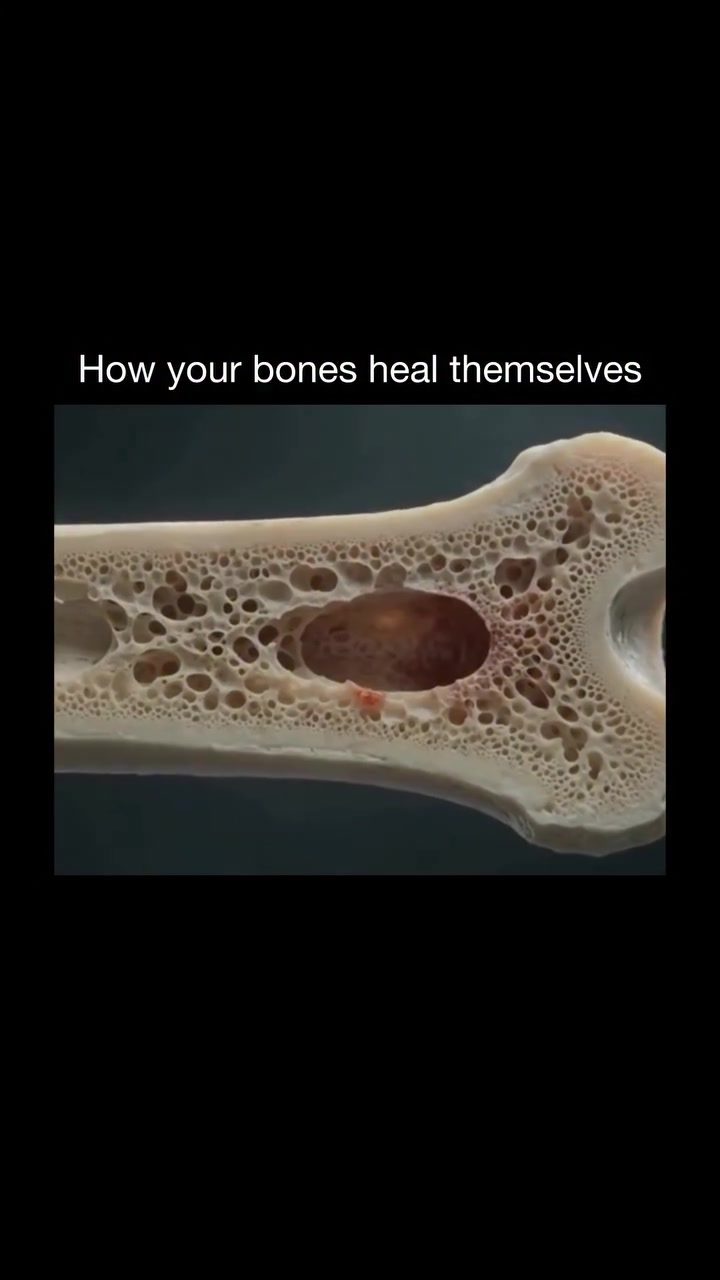
Bone Healing
Bone healing is a complex and fascinating process that the body undertakes to repair fractures and restore functionality. Understanding this process can provide insights into how the body handles injury and recovery.
Context / Why this matters
Bone fractures are a common occurrence, and knowing how the body heals itself can be crucial for managing expectations and ensuring proper care during recovery. The healing process involves several stages, each with its unique characteristics and purposes.
The Healing Process
Initial Response
When a bone breaks, the body's immediate response is to form a blood clot around the fracture site. This clot serves a dual purpose: it stops the bleeding and provides a scaffold for the healing process to begin. The clot is not a sign of damage but rather an essential component of the repair mechanism. Within seconds of the fracture, stem cells arrive at the site, beginning the process of building a soft cartilage bridge to stabilize the broken ends.
Formation of the Soft Callus
Over the following days and weeks, the blood clot is gradually replaced by a soft cartilage callus that bridges the broken ends of the bone. This soft callus is a temporary structure that provides stability and support while the healing process continues. Bone-forming cells, known as osteoblasts, begin to replace the cartilage with new, mineralized bone. This process creates a hard callus that temporarily makes the healing area thicker and stronger than the original bone.
Remodeling Phase
The hard callus undergoes a remodeling phase over the following months. Specialized cells called osteoclasts remove excess bone, while osteoblasts continue to build and reshape the bone. This balancing act gradually restores the bone to its original structure and strength. Unlike skin, which typically heals by forming a scar, bone has the remarkable ability to regenerate its normal architecture. This means that the healed bone can return to its pre-injury state, although the recovery time varies depending on the individual's age, overall health, and the severity of the fracture.
Unique Healing Ability
One of the most fascinating aspects of bone healing is its unique ability to regenerate. Unlike many other tissues in the body, bone can fully restore its original structure and function. This regenerative capability is due to the coordinated efforts of various cells and processes that work together to repair the damage and rebuild the bone.
Practical Tips for Bone Healing
While the body is equipped to heal bone fractures, there are several practical steps individuals can take to support the healing process:
Nutrition
Proper nutrition plays a critical role in bone healing. A diet rich in calcium and vitamin D can help strengthen the bone and promote faster recovery. Foods like dairy products, leafy greens, and fortified cereals are excellent sources of these essential nutrients.
Physical Activity
Engaging in gentle physical activity can also aid in the healing process. However, it's essential to follow the advice of a healthcare professional to avoid further injury. Low-impact exercises, such as swimming or walking, can help maintain muscle strength and flexibility without putting too much stress on the healing bone.
Pain Management
Managing pain effectively is crucial for a successful recovery. Over-the-counter pain relievers, such as ibuprofen or acetaminophen, can help alleviate discomfort. However, it's essential to consult a healthcare provider before taking any medication, especially for those with pre-existing conditions or taking other medications.
Follow-Up Care
Regular follow-up appointments with a healthcare provider are essential for monitoring the healing process. X-rays and other imaging tests can provide valuable insights into the progress of the fracture and ensure that the bone is healing correctly. Adhering to the recommended treatment plan and attending all follow-up appointments can significantly improve the outcome.
Important Takeaways
Bone healing is a natural and highly regulated process that involves several stages, from the initial formation of a blood clot to the final remodeling phase. Understanding these stages can help individuals manage expectations and take appropriate steps to support the healing process. Proper nutrition, gentle physical activity, effective pain management, and regular follow-up care are all essential components of a successful recovery.
Conclusion
Bone healing is a remarkable process that showcases the body's incredible ability to repair and regenerate. By understanding the stages of bone healing and taking practical steps to support the process, individuals can facilitate a smoother and more effective recovery. Whether dealing with a minor fracture or a more severe injury, knowing what to expect and how to care for the body during the healing process can make a significant difference in the outcome.
Watch the Reel
Questions readers ask
What are the initial steps in the bone healing process?
The initial stage of bone healing begins with the formation of a blood clot at the fracture site. This clot helps to control bleeding and creates a foundation for the healing process. Following this, the body forms a soft callus, which is a temporary cartilage bridge that stabilizes the fracture and allows for some movement.
How does the body transition from cartilage to bone during fracture healing?
After the soft callus is formed, the body begins to replace the cartilage with new bone tissue. This transition involves the removal of the soft callus and the gradual formation of a hard callus, which is composed of new bone cells. This hard callus provides more stability and strength to the fracture site.
What is the role of a blood clot in the bone healing process?
A blood clot plays a crucial role in the initial phase of bone healing. It forms immediately after a fracture to stop bleeding and acts as a scaffold for the regenerative process. The clot contains various cells and growth factors that facilitate the formation of new tissue and the eventual restoration of bone structure.
How long does the entire bone healing process typically take?
The duration of bone healing varies depending on the severity and location of the fracture, as well as the individual's overall health. Generally, the process can take several weeks to several months. The initial stages of healing, involving the formation of a soft callus, can take around 2-4 weeks. The transition to a hard callus and the final restoration of bone structure can take several more weeks to months.
What factors can affect the bone healing process?
Several factors can influence the bone healing process, including the individual's age, overall health, and lifestyle. Proper nutrition, particularly adequate intake of calcium and vitamin D, is essential for optimal bone healing. Additionally, avoiding smoking and maintaining a healthy lifestyle can significantly improve the healing process.
Why is it important to follow medical advice during fracture recovery?
Following medical advice during fracture recovery is crucial for ensuring proper healing and preventing complications. This includes adhering to prescribed rest periods, using prescribed medical devices such as casts or braces, and attending follow-up appointments. Proper care helps in managing expectations and ensures that the body can complete the natural bone healing process effectively.
Related deep dives
Similar reads based on topic and creator.




Recent articles
Fresh deep dives from the latest Reels we unpacked.




Comments
Be the first to comment.