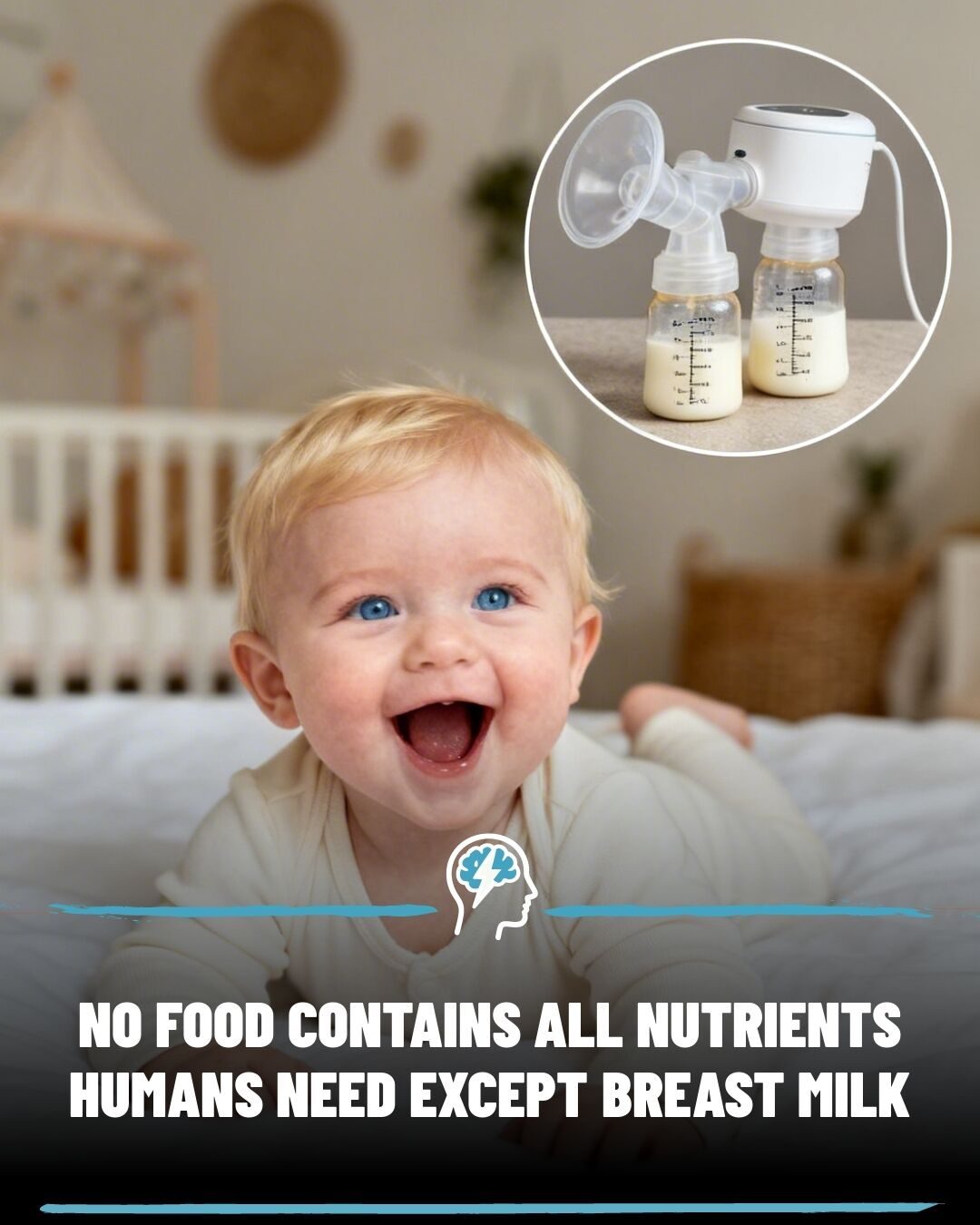
Breast Milk and Baby Nutrition
Breast milk is a remarkable source of nutrition for babies, providing a complete range of nutrients that support growth and development during the first six months of life. This is not merely a preference but a recommendation backed by decades of evidence from the World Health Organization (WHO).
Why This Matters
Breastfeeding is more than just a feeding method; it's a dynamic process that adapts to a baby's changing needs. Understanding the unique properties of breast milk can help parents make informed decisions about their baby's nutrition.
The Nutritional Power of Breast Milk
Breast milk is often referred to as a "living, adaptive fluid" due to its dynamic composition. It contains over 1,000 nutrients and complex bioactive molecules, which are essential for a baby's development. In contrast, infant formula typically contains around 30 to 40 nutrients and ingredients. This significant difference highlights the superior nutritional profile of breast milk.
Complete Nutrition
Breast milk provides complete nutrition for infants for the first six months of life, according to the WHO. This means that babies do not require any additional foods or fluids during this critical period. The nutrients in breast milk are tailored to meet the specific needs of growing infants, ensuring optimal health and development.
Adaptive Composition
One of the most fascinating aspects of breast milk is its ability to adapt to the baby's changing needs. In the early weeks, breast milk is rich in immune-boosting factors that help protect the newborn from infections. As the baby grows, the composition of breast milk shifts to support cognitive and physical development. Some research even suggests that breast milk can respond to illness by increasing immune factors, providing an additional layer of protection.
Better Absorption
Nutrients in breast milk are not only abundant but also more readily absorbed by infants compared to those in formula. This enhanced absorption ensures that babies receive the maximum benefit from the nutrients, contributing to improved health outcomes.
Breast Milk vs. Infant Formula
Infant formula is a safe and viable alternative when breastfeeding is not possible or practical. However, it's important to note that formula cannot fully replicate the complex and adaptive nature of breast milk. Formula is based on a standardized recipe that may not adapt to the baby's changing needs as effectively as breast milk.
Practical Tips for Breastfeeding
Breastfeeding can be a rewarding experience, but it also comes with its challenges. Here are some practical tips to help make the journey smoother:
Get Started Early
Beginning breastfeeding soon after birth can help establish a strong nursing relationship. Skin-to-skin contact immediately after delivery can also encourage bonding and stimulate milk production.
Maintain a Healthy Diet
A well-balanced diet is crucial for producing nutritious breast milk. Focus on consuming a variety of fruits, vegetables, lean proteins, and whole grains. Staying hydrated is also important, so make sure to drink plenty of water throughout the day.
Seek Support
Breastfeeding support groups and healthcare providers can offer invaluable guidance and encouragement. Don't hesitate to reach out if you encounter difficulties or have questions.
Important Notes
Every feeding journey is unique, and it's essential to acknowledge that results can vary from one individual to another. Fed is best, and it's important to choose the feeding method that works best for you and your baby.
Important Takeaways
Breast milk is a powerhouse of nutrition, providing over 1,000 nutrients and bioactive molecules that support a baby's growth and development. Its adaptive composition ensures that it meets the baby's changing needs, from immune development to cognitive and physical growth. While infant formula is a safe alternative, it cannot fully replicate the benefits of breast milk. If breastfeeding works for you and your baby, current evidence strongly supports its nutritional completeness during the first six months of life.
Conclusion
Breast milk is a remarkable and adaptable source of nutrition for infants. Its unique composition and ability to evolve with the baby's needs make it an unparalleled choice for early nutrition. While every family's feeding journey is different, understanding the benefits of breast milk can help parents make informed decisions about their baby's nutritional needs. Trust the research and trust yourself as you navigate this incredible phase of parenthood.
Watch the Reel
Related deep dives
Similar reads based on topic and creator.



Recent articles
Fresh deep dives from the latest Reels we unpacked.




Comments
Be the first to comment.