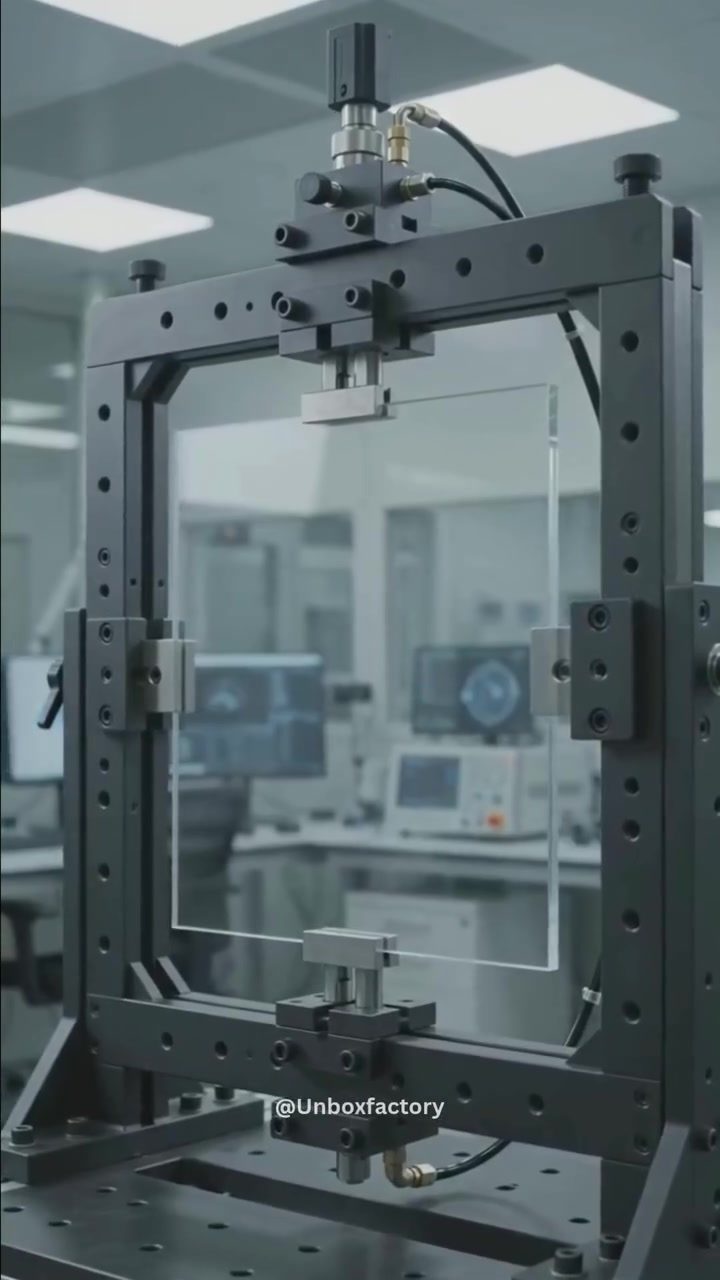
Aluminium Oxy-nitride: The Ceramic That Combines Transparency and Ballistic Protection
Imagine a material that looks like ordinary glass but can withstand impacts that would shatter conventional glass. This material is aluminum oxy-nitride, often called transparent aluminum or ALON. It offers exceptional strength while maintaining remarkable clarity.
Why This Matters
In the modern world, there is a growing need for materials that can provide both optical clarity and ballistic protection. This is particularly crucial in fields like aerospace and defense, where every kilogram counts in terms of performance and fuel cost.
Main Discussion
The Science Behind ALON
ALON is a ceramic material that transmits light with the clarity of glass while stopping projectiles that would shatter conventional ballistic glass. It is produced by sintering aluminum oxy-nitride powder at high temperatures. This process, while expensive at current volumes, is scalable with demand. The result is a material that offers significant advantages over traditional layered glass armor.
Performance and Applications
Testing has shown that ALON panels can stop .50 caliber rounds, which are powerful enough to penetrate standard armor glass. Remarkably, the ALON panel remains intact and optically clear after such impacts. This capability has made ALON a valuable material for the US Air Force, which uses it in aircraft windows that require both optical clarity and ballistic protection.
Advantages Over Conventional Armor
Thinner and Lighter
One of the most significant advantages of ALON is its thinness and light weight. Compared with conventional layered glass armor of equivalent stopping power, ALON panels are significantly thinner and lighter. This is a meaningful advantage in aircraft and vehicles, where reducing weight can enhance performance and reduce fuel costs.
Retains Clarity Post-impact
Another critical advantage of ALON is its ability to remain optically clear after impact. Traditional ballistic glass often becomes distorted or opaque after being hit, which can impair visibility. ALON's ability to stay clear makes it ideal for applications where maintaining visibility is crucial, such as in aircraft cockpits and military vehicles.
Future Potential
The potential applications of ALON extend beyond the military. Its transparency and strength make it suitable for a range of uses, from protective windows in high-security buildings to windshields in high-speed vehicles. As the production process becomes more cost-effective, we can expect to see ALON used in an even wider array of applications.
Manufacturing Considerations
While ALON offers many benefits, its production is currently expensive. The process involves sintering aluminum oxy-nitride powder at high temperatures, which requires specialized equipment and significant energy. However, the scalability of this process means that as demand increases, the cost is likely to decrease, making ALON more accessible for a broader range of applications.
Environmental Impact
The environmental impact of ALON production is another consideration. The high-temperature sintering process used to produce ALON can be energy-intensive, contributing to carbon emissions. However, the long-term benefits of using ALON in place of heavier, less durable materials may offset these costs. Additionally, as manufacturing techniques improve, the environmental impact of producing ALON is likely to decrease.
Use in Aviation
The US Air Force's use of ALON in aircraft windows is a testament to its effectiveness. By replacing traditional glass with ALON, aircraft can achieve significant weight savings, which can lead to improved fuel efficiency and performance. This makes ALON an attractive option for other aerospace applications as well.
Practical Tips
If you are considering ALON for a specific application, here are some practical tips:
-
Conduct Thorough Testing: Before integrating ALON into a new application, conduct thorough testing to ensure it meets your specific requirements for strength, clarity, and durability.
-
Consider Cost Implications: While ALON offers many advantages, its production is currently expensive. Be sure to factor this into your budget and consider the long-term cost savings that may result from its use.
-
Evaluate Environmental Impact: Consider the environmental impact of ALON production and explore ways to minimize it, such as investing in renewable energy sources for the sintering process.
-
Explore Alternative Applications: Beyond military and aerospace uses, consider other potential applications for ALON, such as protective windows in high-security buildings or windshields in high-speed vehicles.
Important Takeaways
- ALON is a transparent ceramic material that offers exceptional strength and clarity.
- It can stop high-caliber rounds while remaining optically clear, making it ideal for applications requiring both protection and visibility.
- ALON panels are significantly thinner and lighter than conventional layered glass armor, providing meaningful advantages in weight-sensitive applications.
- The production of ALON is currently expensive, but the process is scalable with demand, making it a promising material for a range of future applications.
Conclusion
ALON represents a significant advancement in materials science, offering a unique combination of transparency and ballistic protection. Its ability to stop high-caliber rounds while remaining optically clear makes it ideal for a range of applications, from military vehicles to aircraft windows. As production techniques improve and costs decrease, we can expect to see ALON used in an even wider array of applications, from high-security buildings to high-speed vehicles. The future of ALON is bright, and its potential to revolutionize protective materials is immense.
Watch the Reel
Questions readers ask
What makes ALON suitable for aerospace applications?
ALON's combination of transparency and superior strength makes it an excellent choice for aerospace applications. It can withstand extreme conditions and impacts, while still allowing for clear visibility, which is crucial for cockpit canopies and windows. Additionally, its lightweight nature helps reduce overall weight, improving fuel efficiency.
How does ALON compare to conventional glass in terms of ballistic protection?
ALON outperforms conventional glass in ballistic protection. While conventional glass can shatter upon impact, ALON can withstand high-velocity projectiles, making it a superior choice for applications where safety is paramount, such as in defense and security sectors.
Can ALON be used as a replacement for glass in vehicle windshields?
Yes, ALON can serve as a transparent glass replacement in vehicle windshields, particularly in high-risk environments. Its exceptional strength and clarity make it ideal for military and armored vehicles, providing both protection and clear visibility for the driver.
What are the key properties of ALON that make it unique?
ALON's unique properties include its transparency, similar to glass, and its exceptional strength, comparable to synthetic sapphire. It is produced through a sintering process at high temperatures, which gives it remarkable durability and the ability to withstand significant impacts without shattering.
How does ALON perform in desert environments?
ALON performs well in desert environments due to its resistance to extreme temperatures and harsh weather conditions. Its durability and clarity are maintained even under intense sunlight and sandstorms, making it suitable for applications in defense and aerospace in arid regions.
What are some specific applications of ALON in defense and aerospace?
In defense, ALON is used for transparent armor in vehicles and structures, providing clear visibility and robust protection. In aerospace, it is used in cockpit canopies and windows, offering durability and clarity in demanding flight conditions. Additionally, it can be used in cameras and optical equipment for reliable performance in harsh environments.
Are there any test results that highlight the effectiveness of ALON?
Yes, ALON has proven its effectiveness in various tests. For instance, it has been shown to withstand impacts from high-velocity projectiles, demonstrating its superior ballistic protection. In transparency tests, it matches the clarity of conventional glass, making it a versatile and reliable material for a range of applications.
Related deep dives
Similar reads based on topic and creator.

Recent articles
Fresh deep dives from the latest Reels we unpacked.




Comments
Be the first to comment.