Alligators in Urban Settings
Alligators in urban environments might seem like a scene from a movie, but in Florida, it is an everyday reality. Understanding these situations — and how to handle them — is crucial for residents and visitors alike.
Why This Matters
Florida is home to a large alligator population, and these reptiles are known to inhabit a variety of environments, from marshes and swamps to urban areas. Alligators have been observed near buildings, under cars, and even interacting with domestic animals. Knowing the behavior of alligators in these settings can help prevent potentially dangerous encounters.
Alligators in Unexpected Places
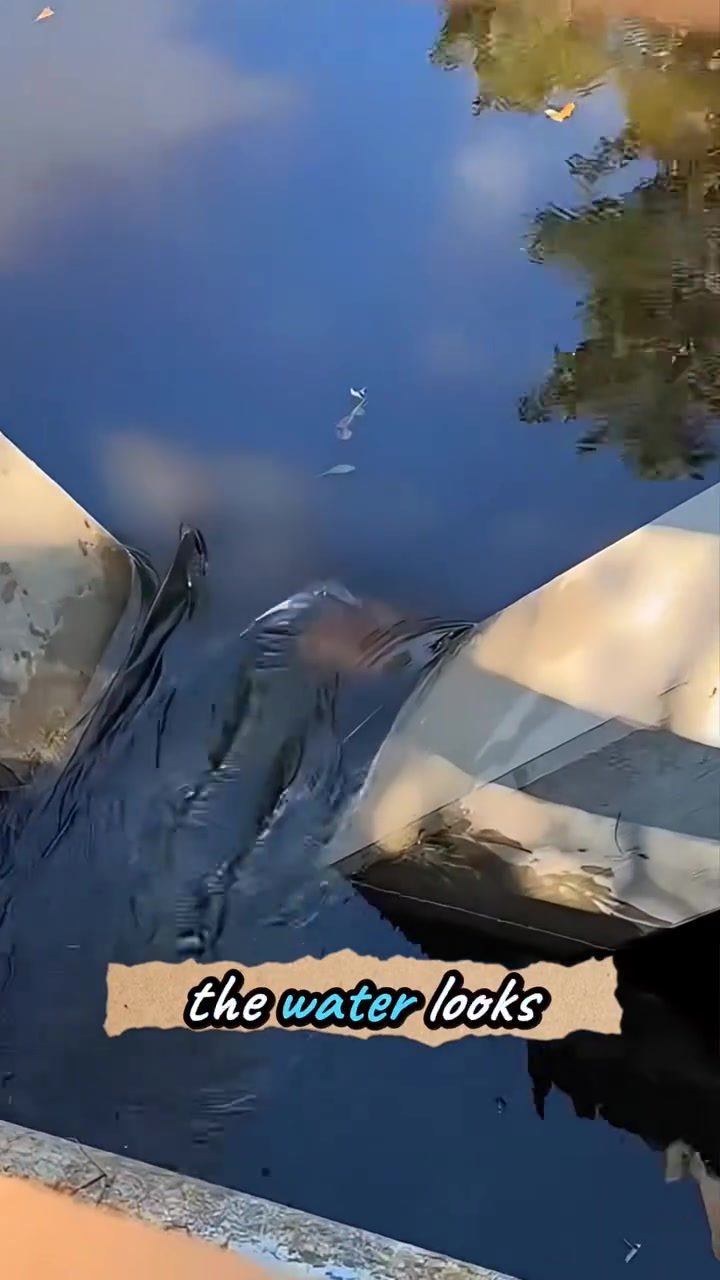
Alligators in Water Bodies
At first glance, bodies of water in Florida might appear ordinary. However, a closer look often reveals alligators lurking beneath the surface. This is why it is important to exercise caution around any body of water in the state. Alligators are strong swimmers and can move swiftly through the water, making them hard to spot until it is too late.
Alligators Near Homes
Alligators can sometimes wander into residential areas, approaching people's front doors. This is a surprising and potentially alarming sight for many residents. While it might seem like an unusual behavior, alligators can be attracted to homes by food sources, such as pet food left outside or small animals that they can hunt.
Alligators and Cars
One of the most surprising behaviors of alligators in urban settings is their tendency to crawl underneath cars. This behavior is often driven by the need to cool off in the shade, especially during hot days. Alligators can squeeze into small spaces, making it crucial to be vigilant when parking near bodies of water or in areas known to have alligator populations.
Warning Signs
Local authorities often place warning signs near lakes, rivers, and other water bodies to remind people of the potential presence of alligators. These signs are an important reminder to stay a safe distance from the water and to be aware of the surroundings. However, even with these warnings, it is essential to remain cautious and vigilant.
Why Alligators Wander
Alligators are curious and opportunistic creatures. They are known to explore new environments in search of food, water, and shelter. Their curiosity can lead them to venture into unexpected areas, including urban settings. They are also known to establish territories in various environments, which can sometimes overlap with human habitats.
Their wandering behavior is often influenced by the availability of resources. If an alligator finds a reliable source of food or water in an urban area, it might return to that spot repeatedly. This can lead to frequent sightings of alligators in residential or commercial areas.
Practical Tips
Stay Safe Around Water
Always stay a safe distance from any body of water in Florida. Do not approach the water's edge unless it is necessary, and be aware of the potential presence of alligators. If you are near a body of water and spot an alligator, do not attempt to feed or provoke it. Instead, maintain a safe distance and notify local authorities if the alligator appears to be a threat.
Keep Pets Safe
Many residents in alligator-prone areas keep dogs at home for protection. While dogs can act as a deterrent, it is essential to keep them safe as well. Do not leave pets unattended near bodies of water, and ensure that your yard is secure to prevent alligators from entering.
Secure Your Property
If you live in an area known for alligator sightings, it is crucial to secure your property. Install fences that are tall enough to prevent alligators from entering, and ensure that there are no gaps or openings that an alligator could use to gain entry. Regularly inspect your property for signs of alligator activity, and address any potential issues promptly.
Report Sightings
If you encounter an alligator in an urban setting, it is essential to report it to local authorities. They can assess the situation and take appropriate action to ensure the safety of residents and the alligator. While alligators are an essential part of the ecosystem, they can also pose a threat to human safety, making it crucial to handle encounters responsibly.
Stay Informed
Stay up-to-date on alligator behavior and safety guidelines. Local wildlife authorities often provide resources and information on how to handle alligator encounters and prevent potential dangers. By staying informed, you can ensure that you and your loved ones remain safe in alligator-prone areas.
Important Takeaways
Alligators in urban settings are a unique challenge for Florida residents and visitors. Understanding their behavior and knowing how to handle encounters is crucial for maintaining safety. By staying aware, securing your property, and reporting sightings, you can help ensure that alligators and humans coexist peacefully in urban environments.
Conclusion
Alligators are a fascinating and essential part of Florida's ecosystem, but they can also pose a threat to human safety in urban settings. By understanding their behavior and taking practical steps to protect yourself and your property, you can ensure a safe and enjoyable experience in alligator-prone areas. Always remember to stay cautious and informed, and never underestimate the potential presence of alligators in unexpected places.
Watch the Reel
Questions readers ask
How often do alligators appear in urban areas of Florida?
Alligators are frequently spotted in urban areas of Florida. Given the state's large alligator population, sightings in residential neighborhoods, parks, and even backyards are not uncommon. In fact, urban areas with nearby water sources are more likely to have frequent alligator sightings.
What should I do if I encounter an alligator in an urban area?
If you encounter an alligator in an urban area, it's important to stay calm and keep a safe distance. Do not approach or feed the alligator. If the alligator is in a residential area, contact local animal control or the Florida Fish and Wildlife Conservation Commission. Avoid leaving small pets or children unattended near water sources.
Why do alligators end up under cars in Florida?
Alligators may end up under cars due to their attraction to warmth and shelter. This is more likely to happen in Florida where alligators are known to inhabit urban areas. Alligators are also known to roam through water bodies, and can end up in unexpected places, such as under cars, that offer a dry and warm space.
Can alligators interact with domestic animals in urban settings?
Yes, alligators can and do interact with domestic animals in urban settings. They may prey on small pets like cats and dogs, especially if they venture too close to water sources or leave their homes. Alligators have also been documented to interact with larger animals, such as horses and cattle, so it is important to maintain a safe environment for all animals.
What are the most common places to spot alligators in Florida's urban areas?
Alligators in Florida's urban areas are commonly spotted in and around water bodies such as lakes, ponds, and canals. They may also be found in drainage ditches, retention ponds, and even swimming pools. Alligators are also known to cross roads, roam through parks and golf courses, and can even end up in residential backyards.
What are the best ways to spot an alligator in Florida?
To spot an alligator in Florida, look for their distinctive features such as a broad, rounded snout, and a heavily armored body. Alligators are typically dark in color and can often be seen basking in the sun with their mouths open. They may also be spotted underwater and it is important to pay attention to the movement and behavior of these animals, as they can move quickly and silently in and out of the water.
What precautions should be taken to avoid alligator encounters in Florida?
To avoid alligator encounters in Florida, it is important to be aware of your surroundings, especially when near water sources. Keep a safe distance from alligators, and never approach or feed them. Avoid leaving small pets or children unattended near water sources, and do not attempt to move or harass an alligator, as they can be dangerous. As a rule of thumb, if you see an alligator, leave it alone and alert local authorities.
Related deep dives
Similar reads based on topic and creator.




Recent articles
Fresh deep dives from the latest Reels we unpacked.



Comments
Be the first to comment.