AI and Semantic Contraction
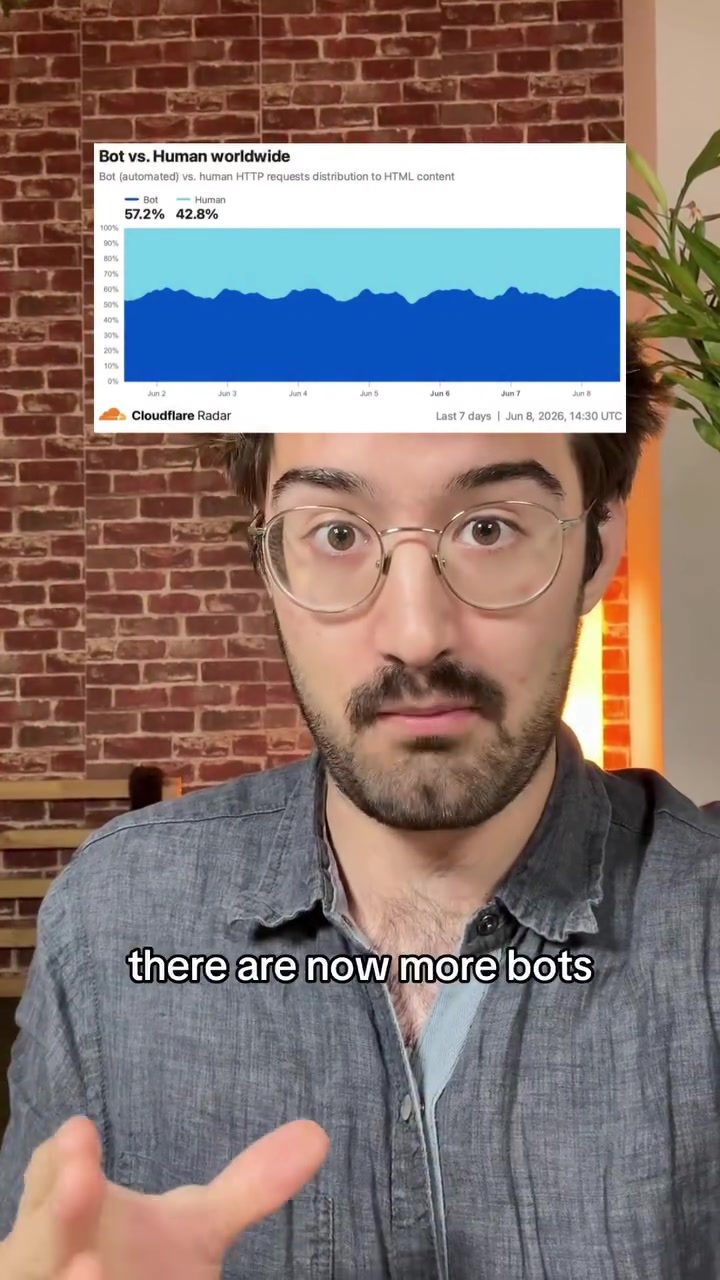
AI-generated text is on the rise, and it's not just reshaping our language — it's steadily altering our collective reality. The internet has become a battleground where AI and human-generated content compete for dominance, and the balance is tipping in favor of AI. Recent data from Cloudflare Radar shows that more than 57% of web traffic is generated by bots, and this figure is set to rise as AI-generated text becomes more prevalent.
Why This Matters
The shift towards AI-generated content has profound implications for how we communicate and perceive the world. Language has always been a human construct, shaped by our collective understanding and consensus. However, with the advent of AI, this dynamic is changing. AI models are not only replicating human language but also influencing it, contributing to a sanitized aggregate of reality that may not fully capture the richness and diversity of human thought.
The Changing Landscape of Online Language
Positive Sentiment and Sanitized Aggregate
Since the release of language models like Chachapati, the internet has seen an increase in positive sentiment. This is largely due to the artificially cheerful tones employed by many AI agents. While this might seem beneficial, it also means that the range of unique ideas and diverse viewpoints is shrinking. AI models tend to replicate a sanitized version of reality, which can limit the variety of perspectives available online.
Frequency of Words and Semantic Contraction
One of the most striking changes in online language is the over-representation of certain words. Terms like "delve," "intricates," "surpass," "showcase," and "underscore" have appeared at higher frequencies, suggesting a shift in how we express ourselves. This phenomenon, known as semantic contraction, occurs when the diversity of language shrinks, and certain words become overused.
The Evolution of Language and AI's Role
From Group Consensus to Codified Language
Language has always been a product of group consensus. Every time a word is used, it contributes to the collective understanding of its meaning. However, the written word and the dictionary marked a shift towards codifying language, making it more permanent and less fluid. Now, AI models, trained on vast amounts of human writing, are contributing to this group consensus in new ways.
The Impact of AI on Language and Reality
AI models are not just passive observers of language; they are active participants. They can influence the direction of language evolution and, by extension, our collective reality. This is particularly concerning because AI models can be easily biased towards certain perspectives, which may not always align with human values or diversity.
Practical Tips for Navigating AI's Influence
Recognizing AI-Generated Content
As AI-generated text becomes more common, it's essential to develop strategies to recognize it. Look for telltale signs such as overly positive sentiment, repetitive phrases, and the use of specific words at higher frequencies. Critical thinking and media literacy will become increasingly important in discerning AI-generated content from human-generated text.
Encouraging Diverse Perspectives
To counteract the homogenizing effects of AI, it's crucial to actively seek out and amplify diverse viewpoints. Engage with a variety of sources, support independent creators, and participate in conversations that challenge the status quo. By doing so, you can help maintain the richness and diversity of online language.
Being Mindful of Language Use
Every time you use a word, you're contributing to its definition and the collective understanding of language. Be mindful of the words you choose and the perspectives you represent. By consciously participating in the evolution of language, you can help shape a future where AI and humans coexist in a balanced and enriching way.
Important Takeaways
- AI-generated text is on the rise, and it's significantly altering online language and reality.
- The internet is seeing an increase in positive sentiment due to AI-generated content, but this comes at the cost of unique ideas and diverse viewpoints.
- AI models contribute to a sanitized aggregate of reality, which can limit the richness of human expression.
- AI's influence on language is concerning because it can be easily biased, affecting the collective understanding of words and concepts.
- Recognizing AI-generated content, amplifying diverse perspectives, and being mindful of language use are practical steps to navigate this evolving landscape.
Conclusion
AI's impact on language and reality is a complex and evolving issue. While the rise of AI-generated text presents challenges, it also opens up new opportunities for understanding and shaping the future of human communication. By staying informed, critically engaging with content, and actively participating in the evolution of language, we can ensure that AI's influence is a positive and enriching force.
Watch the Reel
Questions readers ask
How much of the internet's content is currently generated by AI?
More than 57% of web traffic is generated by bots, indicating that a significant portion of internet content is AI-generated. This figure is expected to grow as AI technologies advance and become more integrated into content creation.
What are the effects of AI on the language we use online?
AI is altering our collective language by generating text that mimics human writing. This shift can lead to a reduction in the diversity of human ideas and expression, as AI-generated content may dominate online discussions and content.
Why is the rise of AI-generated content concerning for human communication?
The increase in AI-generated content can lead to a homogenization of language and ideas. Human communication is rich and diverse, shaped by a wide range of experiences and perspectives. AI-generated text, while sophisticated, may not capture this nuanced complexity, potentially leading to a loss of authentic human expression.
How does AI-generated content influence our perception of reality?
AI-generated content can skew our understanding of events and topics by presenting information in a way that mimics human-generated content. This can make it difficult to discern what information is authentic and what has been created by AI, influencing the public’s collective reality.
What impact does AI have on the dominance of human ideas in online content?
The prevalence of AI-generated content can lead to a reduction in the visibility of human-generated ideas. As AI models replicate and sometimes amplify certain types of content, it can become harder for unique, human-generated insights and perspectives to gain traction in online discussions.
How is AI reshaping the dynamics of online language and communication?
AI is reshaping online language by generating a large volume of content that can influence the tone and style of online communication. This shift can lead to a more standardized and predictable form of language, potentially reducing the creative and unique expressions that characterize human-generated text.
What does the future hold for AI-generated content and its impact on language?
As AI technologies continue to advance, the proportion of AI-generated content is expected to rise. This could further alter the language and tone of internet communication, making it increasingly important to develop tools and methods to identify and manage AI-generated content effectively.
Related deep dives
Similar reads based on topic and creator.


Recent articles
Fresh deep dives from the latest Reels we unpacked.




Comments
Be the first to comment.