Aircraft Hangar Design
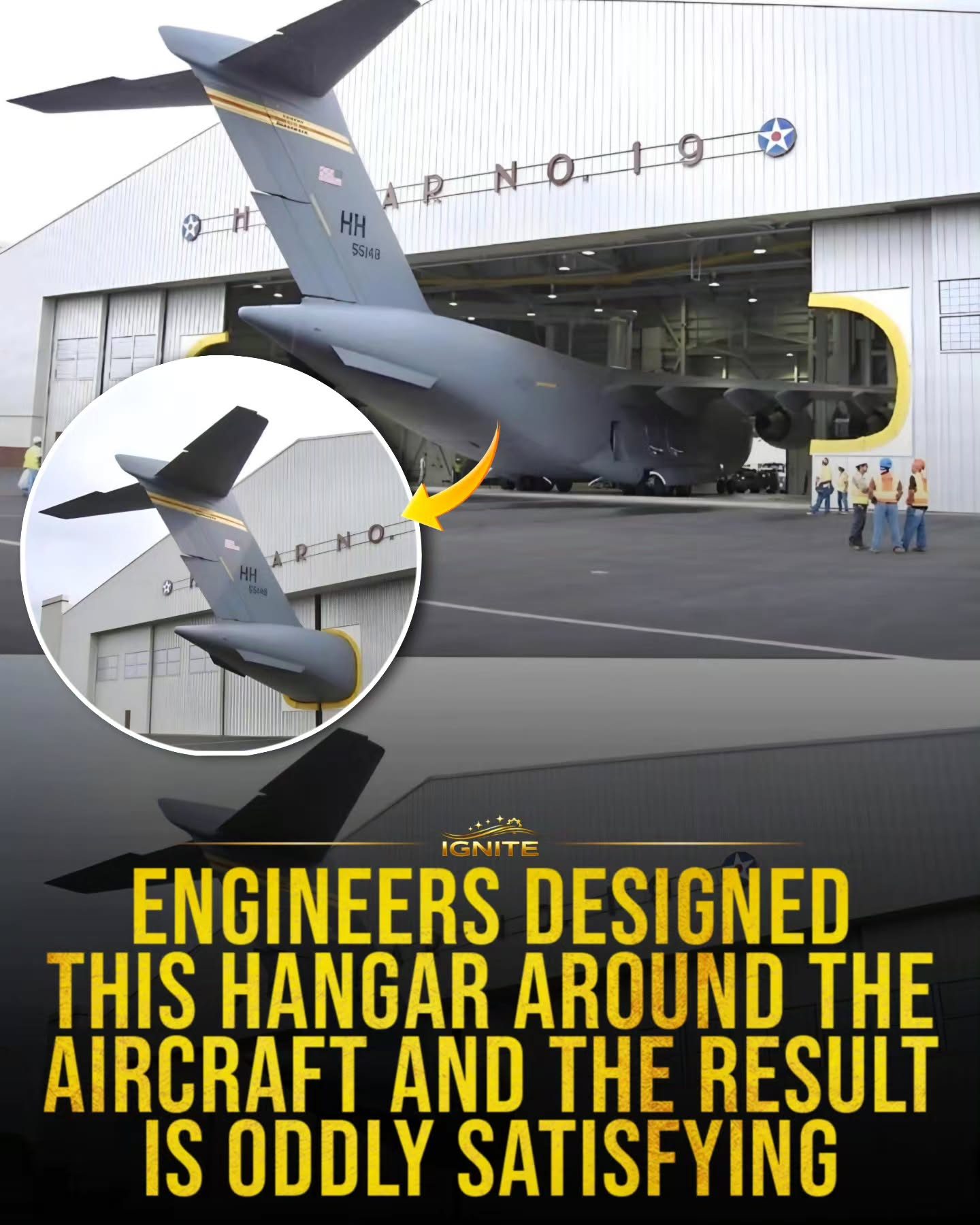
Aircraft hangars are more than just storage spaces; they are engineering marvels that require precise planning and innovative design to maximize efficiency. At Joint Base Pearl Harbor-Hickam in Hawaii, a uniquely designed C-17 hangar showcases a brilliant engineering solution that, at first glance, might seem counterintuitive.
Why This Matters
Efficient hangar design is crucial for military and civilian aviation alike. Hangars not only protect aircraft but also facilitate maintenance, repairs, and operational readiness. The design of a hangar can significantly impact the cost, space utilization, and operational efficiency of an airfield. The hangar at Joint Base Pearl Harbor-Hickam exemplifies how innovative design can address these challenges effectively.
Main Discussion
Innovative Design Concept
The hangar at Joint Base Pearl Harbor-Hickam is designed around the C-17 aircraft, with a unique feature that leaves the 55-foot-tall tail of the aircraft outside while the rest of the plane remains inside a climate-controlled workspace. This design might seem odd at first, but it serves a strategic purpose. Most maintenance on the C-17 is conducted on the front section of the aircraft, so having the tail outside allows for efficient use of space and resources.
Custom-Cut Doors
One of the standout features of this hangar is the use of custom-cut doors that seal perfectly around the aircraft's fuselage. These doors are meticulously designed to fit the contours of the C-17, ensuring a tight seal that maintains the climate-controlled environment inside. This design not only saves space but also reduces the overall construction and energy costs associated with building and maintaining a much taller hangar.
Space and Cost Efficiency
By leaving the tail outside, the hangar can accommodate multiple aircraft in a smaller footprint. This design choice is particularly advantageous in locations where space is at a premium, such as military bases or densely populated airports. The reduced height of the hangar also means lower construction costs, as well as lower energy costs for heating and cooling the interior.
Operational Efficiency
The design allows maintenance crews to work efficiently around the clock. The climate-controlled environment ensures that sensitive aircraft components are protected from harsh weather conditions, while the easy access to the front section of the aircraft allows for quicker turnaround times. This operational efficiency is crucial for military readiness, ensuring that aircraft are always maintenance-ready and mission-ready.
Practical Tips
Assessing Aircraft Maintenance Needs
When designing a hangar, it's essential to assess the specific maintenance needs of the aircraft it will house. For example, if most maintenance is conducted on the front section, designing the hangar to accommodate this can save significant space and costs.
Utilizing Custom Engineering Solutions
Don't be afraid to think outside the box. Custom engineering solutions, like the custom-cut doors in this hangar, can provide unique advantages. By tailoring the design to the specific aircraft, you can optimize space, reduce costs, and improve operational efficiency.
Considering Climate Control
Climate-controlled environments are crucial for aircraft maintenance, especially in regions with extreme weather conditions. Designing hangars with efficient climate control systems can extend the lifespan of aircraft components and reduce maintenance downtime.
Important Takeaways
- Space Optimization: Custom-designed hangars can maximize the use of available space, allowing for more efficient operations and lower construction costs.
- Cost Efficiency: Innovative design solutions can significantly reduce both construction and operational costs.
- Operational Readiness: Efficient hangar design can enhance operational readiness, ensuring that aircraft are always mission-ready.
Conclusion
The C-17 hangar at Joint Base Pearl Harbor-Hickam is a testament to the power of innovative engineering and thoughtful design. By tailoring the hangar to the specific needs of the aircraft, this design achieves space, cost, and operational efficiency. As aviation technology continues to advance, so too must the infrastructure that supports it. The lessons from this hangar design can be applied to future projects, ensuring that airports and military bases around the world remain efficient and effective.
Watch the Reel
Questions readers ask
What makes the C-17 hangar at Joint Base Pearl Harbor-Hickam unique?
The C-17 hangar at Joint Base Pearl Harbor-Hickam stands out due to its custom design, which optimizes space and resources for effective aircraft storage and maintenance. Its innovative layout maximizes efficiency, making it a notable example of advanced aviation infrastructure.
How does hangar design impact operational readiness?
Efficient hangar design is crucial for operational readiness, as it facilitates quick and effective aircraft maintenance and repairs. A well-designed hangar ensures that aircraft can be prepared for missions with minimal downtime, thereby enhancing overall operational efficiency.
What are the key considerations in designing a large aircraft hangar?
When designing a large aircraft hangar, key considerations include optimizing space for aircraft storage, ensuring easy access for maintenance, and integrating innovative solutions to maximize resource utilization. The design should also prioritize safety and operational efficiency.
What are the benefits of innovative hangar engineering solutions?
Innovative hangar engineering solutions, as seen at Joint Base Pearl Harbor-Hickam, enhance space utilization, reduce operational costs, and improve the overall efficiency of aircraft maintenance. These solutions help in creating a more organized and streamlined aviation infrastructure.
How does the design of a hangar affect its operational efficiency?
The design of a hangar significantly impacts its operational efficiency by determining how well aircraft can be maintained and stored. A well-designed hangar ensures that maintenance tasks are carried out smoothly, reducing downtime and increasing the overall productivity of the aviation operations.
Why is customized hangar design beneficial for military aviation?
Customized hangar design benefits military aviation by tailoring the space to the specific needs of the aircraft and their operational requirements. This results in better space utilization, improved maintenance efficiency, and enhanced operational readiness, all of which are critical for military operations.
What role does hangar space optimization play in aviation infrastructure?
Hangar space optimization is vital in aviation infrastructure as it ensures that the available space is used effectively for aircraft storage and maintenance. Efficient use of space helps in reducing operational costs, improving maintenance efficiency, and ensuring that the hangar can accommodate the required number of aircraft.
Recent articles
Fresh deep dives from the latest Reels we unpacked.




Comments
Be the first to comment.