The Airbus U145 Autonomous Helicopter: Revolutionizing Logistics, Disaster Relief, and Surveillance
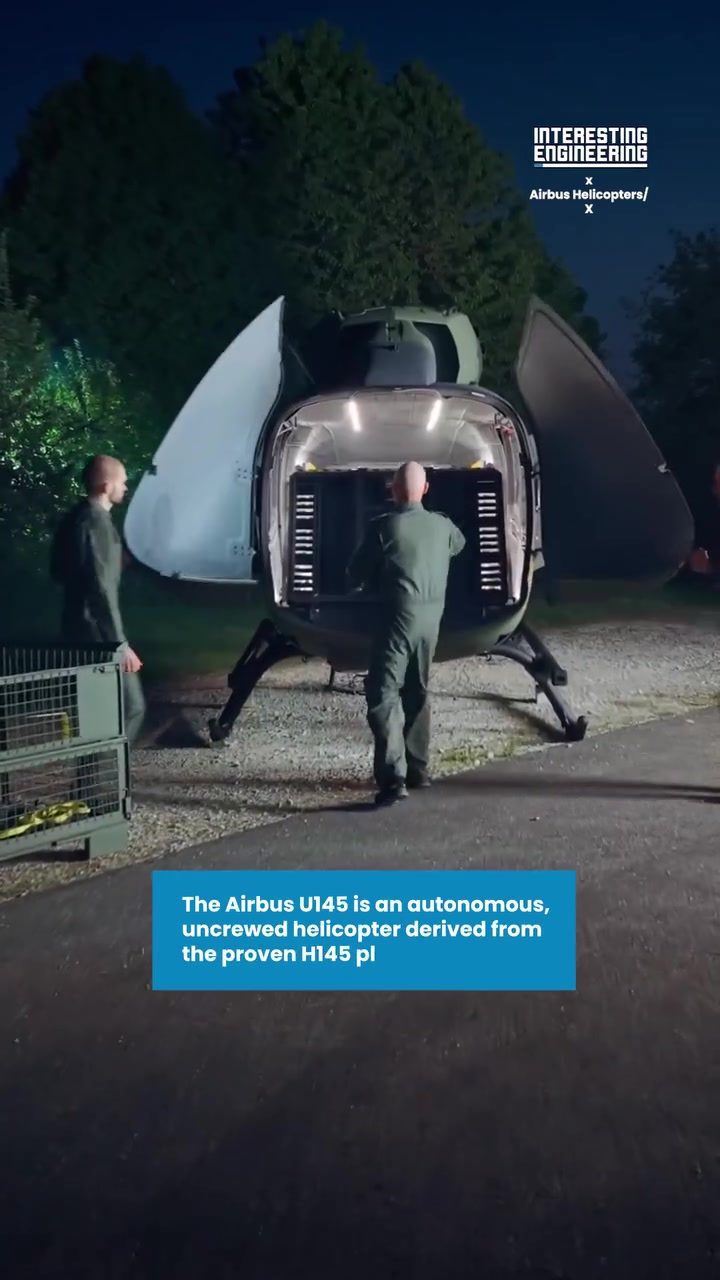
The Airbus U145 is a groundbreaking autonomous helicopter designed to redefine various critical operations, including logistics, disaster relief, and surveillance. As a fully autonomous, cockpit-free variant of the proven H145, the U145 is engineered for high-volume cargo transport, featuring an integrated nose door and AI-driven autonomy. With its first flight planned for late 2026, the U145 promises to set new standards in efficiency and capability.
Why This Matters
The development of autonomous helicopters like the Airbus U145 is not just about technological advancement; it's about addressing real-world challenges. From delivering critical supplies to disaster-stricken areas to providing real-time surveillance data, these helicopters have the potential to save lives and streamline essential operations. Understanding the capabilities and applications of the U145 offers insights into the future of logistics and emergency response.
Main Discussion
Design and Capabilities
The Airbus U145 is built on the foundation of the H145, a well-established helicopter known for its reliability and performance. However, the U145 takes a significant leap forward by integrating AI-driven autonomy. This means that the helicopter can operate without a cockpit, making it ideal for missions that require minimal human intervention.
One of the standout features of the U145 is its integrated nose door. This design element is crucial for high-volume cargo operations, allowing for easy loading and unloading of supplies. Whether it's delivering medical supplies to remote areas or transporting relief materials to disaster zones, the U145's design ensures that cargo operations are swift and efficient.
Applications in Logistics
In the logistics sector, the U145 has the potential to transform supply chain management. Traditional logistics often involve manual handling and coordination, which can be time-consuming and prone to errors. With the U145, these processes can be automated, reducing the risk of human error and increasing efficiency. The helicopter's ability to operate autonomously means that it can deliver cargo to hard-to-reach locations without the need for a pilot, making it a valuable asset for logistics companies.
Role in Disaster Relief
Disaster relief operations often require rapid response and efficient delivery of supplies. The U145's autonomous capabilities make it an ideal choice for such missions. It can be deployed quickly to deliver medical supplies, food, and water to areas affected by natural disasters. The integrated nose door and high-volume cargo capacity ensure that essential supplies can be transported swiftly, helping to save lives and alleviate suffering.
Enhancing Surveillance
Surveillance is another area where the U145 shines. Equipped with advanced sensors and cameras, the helicopter can provide real-time data and imagery, making it invaluable for monitoring and security purposes. Whether it's monitoring environmental changes, tracking wildlife, or enhancing border security, the U145 offers unmatched surveillance capabilities.
Practical Tips
For Logistics Companies
If you're a logistics company considering the integration of autonomous helicopters like the U145, it's essential to start by assessing your current supply chain operations. Identify areas where automation can improve efficiency and reduce costs. Engage with technology providers to understand the implementation process and ensure that your team is well-prepared for the transition.
For Emergency Response Teams
For disaster relief and emergency response teams, integrating autonomous helicopters requires careful planning. Ensure that your team is trained to work with autonomous technology and that your operational protocols are updated to incorporate these new capabilities. Collaboration with technology providers can also help you optimize the use of the U145 in emergency situations.
Important Takeaways
The Airbus U145 represents a significant advancement in autonomous helicopter technology, offering a range of applications from logistics to disaster relief and surveillance. Its AI-driven autonomy and integrated design features make it a versatile and efficient tool for various operations. As we look to the future, the U145 is set to redefine how we approach critical missions, enhancing efficiency and saving lives.
Conclusion
The Airbus U145 is more than just a helicopter; it's a symbol of innovation and progress in autonomous technology. With its first flight scheduled for late 2026, the U145 promises to transform logistics, disaster relief, and surveillance operations. By understanding its capabilities and potential applications, we can better prepare for a future where autonomous helicopters play a pivotal role in addressing real-world challenges.
Watch the Reel
Questions readers ask
What are the key features of the Airbus U145 autonomous helicopter?
The Airbus U145 is notable for its AI-driven autonomy and lack of a cockpit, which allows it to operate without a pilot. It also features an integrated nose door for efficient loading and unloading of cargo, making it ideal for high-volume transport.
How does the Airbus U145 differ from other Airbus helicopters?
The U145 is a variant of the H145, but differs significantly due to its autonomous capabilities and absence of a cockpit. This makes it uniquely suited for specific applications like logistics, disaster relief, and surveillance.
When can we expect the Airbus U145 to be operational?
The first flight of the Airbus U145 is scheduled for late 2026. After successful testing and certification, it will be prepared for operational use in various sectors, including logistics and emergency response.
What are the primary benefits of using the Airbus U145 for logistics?
The U145's autonomous capabilities and high-volume cargo transport features make it an efficient solution for logistics. Its ability to operate without a pilot reduces costs and increases the frequency of deliveries, especially in challenging environments.
How can the Airbus U145 contribute to disaster relief efforts?
The U145's autonomous nature allows it to deliver critical supplies to disaster-stricken areas quickly and safely, even in conditions where human pilots might be unable to operate. Its efficient cargo handling capabilities ensure that relief materials reach those in need promptly.
What types of surveillance missions can the Airbus U145 undertake?
With its autonomous capabilities, the U145 can perform a variety of surveillance tasks, including monitoring remote or hazardous areas, conducting environmental assessments, and supporting search and rescue operations. Its AI-driven features enable it to operate continuously and efficiently, providing real-time data and insights.
What safety measures are in place for autonomous operations?
The U145 is equipped with advanced AI and safety protocols to ensure reliable and safe autonomous operations. These include real-time monitoring, collision avoidance systems, and fail-safe mechanisms that can take control in emergency situations, ensuring mission continuity and safety.
Related deep dives
Similar reads based on topic and creator.


Recent articles
Fresh deep dives from the latest Reels we unpacked.




Comments
Be the first to comment.