Robot Kitchen Automation
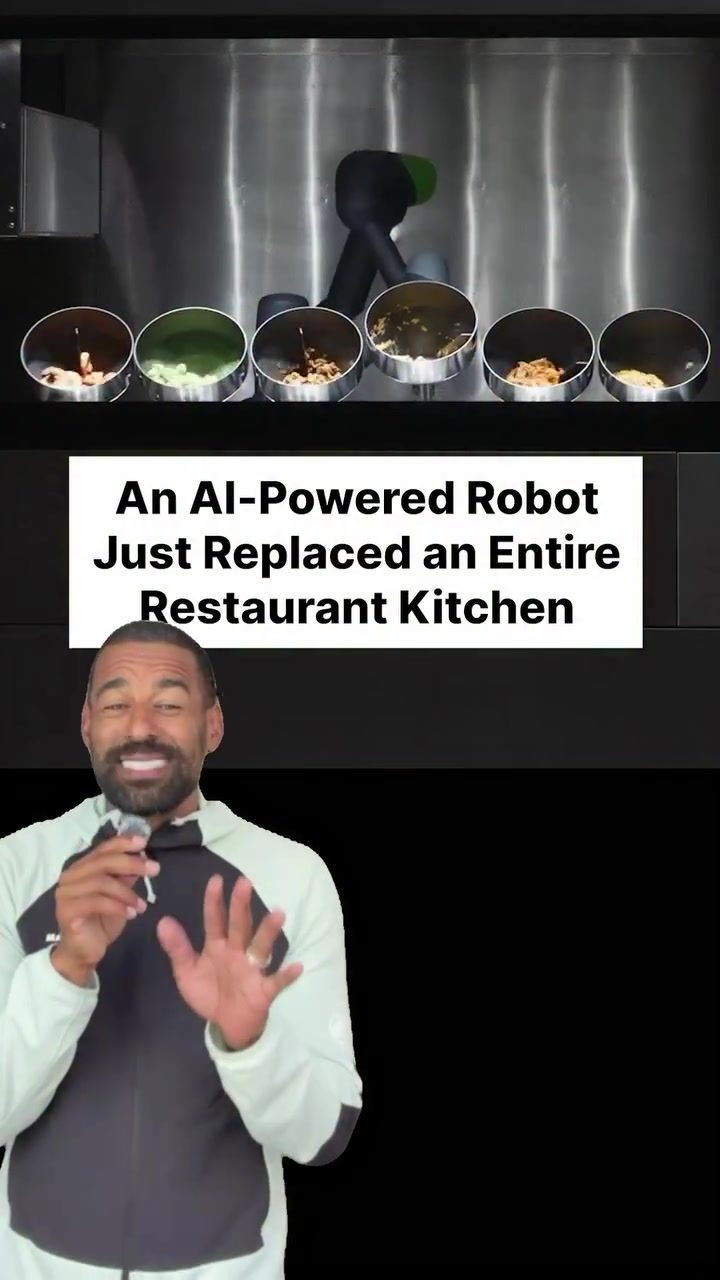
Robotic kitchen systems are revolutionizing the way food is prepared and served, especially in large-scale operations. The Circus Group's CA-1 is a prime example of this technological advancement, replacing traditional kitchens with an automated system designed for efficiency and consistency. In this article, we will explore the capabilities, benefits, and implications of robotic kitchen automation, grounded in the specific context of the CA-1 system.
Context / Why this matters
The food service industry is under constant pressure to meet high demand, maintain consistency, and manage operational costs. Traditional kitchens rely heavily on human labor, which introduces variables such as worker availability, skill level, and fatigue. Robotic kitchen systems address these challenges by offering precise, consistent, and efficient food preparation. For instance, the CA-1 is capable of producing 120 meals per hour, 800 meals per day, with only minimal human oversight (less than an hour daily). This level of productivity and efficiency is unmatched by human-driven operations.
This pattern of automation is not limited to the foodservice industry. Across various sectors, from manufacturing to healthcare, the integration of robotics and AI is transforming workflows. The CA-1's deployment in environments such as the Mercedes-Benz plant and its certification by NATO indicate a broader applicability of robotic automation in diverse industries.
Main discussion
The CA-1 system, developed by the Circus Group, represents a significant leap in kitchen automation. Powered by an AI system called Circus OS, the CA-1 manages 36 refrigerated ingredients in real-time, ensuring precise control over cooking temperatures, stirring speeds, and portion sizes. This level of precision is crucial for maintaining consistency across thousands of meals—a feat that no human line cook can replicate. The system includes two robotic arms and a self-cleaning dishwasher, eliminating the need for manual intervention between meals.
The Role of AI in Kitchen Automation
The CA-1's AI, Circus OS, is the driving force behind its efficiency. This AI not only controls the cooking process but also collects and analyzes data from each meal prepared. By generating billions of data points, Circus OS provides valuable insights into which recipes sell best, which ingredients spoil quickly, and when demand spikes. This continuous feedback loop allows the system to improve with each meal, ensuring that future dishes are even better than the last.
Data-Driven Improvements
One of the most overlooked aspects of robotic kitchen automation is the importance of data. Every meal prepared by the CA-1 generates a wealth of information. This data is fed back into the system to optimize future operations. For example, if a particular recipe becomes popular, the system can adjust inventory and preparation times accordingly. Similarly, if certain ingredients are consistently spoiling, the system can alert management to adjust ordering practices.
Applications Beyond Supermarkets
While the CA-1 is currently deployed in large supermarket chains, its applications extend far beyond. Mercedes-Benz is deploying the CA-1 at their Sindelfingen plant this summer to manage canteen operations. This move highlights the versatility of robotic kitchen systems in handling high-volume food preparation in non-traditional food service settings like automotive manufacturing.
Moreover, the CA-1 has been certified by NATO for defense procurement, leading to the creation of a dedicated defense division, Circus Defense SE. This division focuses on developing autonomous food systems for military operations, underscoring the reliability and efficiency of robotic kitchen automation in high-stakes environments.
Practical tips
For businesses considering the adoption of robotic kitchen systems, here are some practical tips to ensure a smooth transition and maximize the benefits:
Assess Your Needs
Before investing in a robotic kitchen system, assess your operational needs. Determine the volume of meals you need to prepare, the variety of dishes, and the level of consistency required. Robotic systems like the CA-1 are ideal for high-volume, consistent food preparation but may not be necessary for smaller, more specialized operations.
Data Integration
Robotic kitchen systems generate a wealth of data. Ensure that your system can integrate this data into your existing management and inventory systems. This integration will allow you to make informed decisions based on real-time data, improving overall efficiency and reducing waste.
Training and Maintenance
While robotic systems reduce the need for human labor, they still require training and maintenance. Invest in proper training for your staff to manage the system and perform routine maintenance. Regular updates and checks will ensure the system operates smoothly and minimizes downtime.
Scalability
Consider the scalability of the system. As your operations grow, your robotic kitchen system should be able to scale accordingly. The CA-1, for example, can handle a wide range of volumes and can be adapted to different operational settings, making it a versatile choice for expanding businesses.
Important takeaways
The integration of robotic kitchen systems, such as the CA-1, represents a significant shift in the food service industry. These systems offer unmatched precision, consistency, and efficiency, making them ideal for high-volume operations. The AI-driven aspects of these systems, like Circus OS, are crucial for continuous improvement and data-driven decision-making. As the technology advances, we can expect to see more industries adopting similar solutions, transforming the way work is done.
Conclusion
Robotic kitchen automation is more than just a technological novelty; it is a practical solution to the challenges faced by the food service industry. Systems like the CA-1 showcase the potential of AI and robotics in revolutionizing food preparation. By focusing on data-driven improvements and scalable solutions, businesses can enhance their operational efficiency and meet the demands of a rapidly changing market. As these technologies continue to evolve, their applications will only expand, benefiting industries beyond food service and creating new opportunities for innovation and growth.
Watch the Reel
Questions readers ask
How does the Circus Group CA-1 improve kitchen productivity?
The CA-1 system enhances productivity by automating high-volume food preparation tasks. This reduces the time and labor required for repetitive tasks, allowing human staff to focus on other aspects of kitchen operations. The AI-driven automation ensures consistent results, minimizing waste and rework.
What types of tasks can the CA-1 robotic kitchen system handle?
The CA-1 is designed to manage a variety of food preparation tasks, including chopping, slicing, and mixing. Its AI capabilities enable it to handle these tasks with precision and consistency, making it suitable for industrial kitchen environments where large quantities of food need to be prepared efficiently.
How does AI integration benefit the foodservice industry?
AI integration in kitchen automation, like that seen in the CA-1, brings numerous benefits. It standardizes food preparation, ensuring consistency in taste and presentation. AI also helps in optimizing workflow, reducing human error, and managing inventory more effectively, thereby enhancing overall kitchen efficiency.
What are the key advantages of using robotic kitchen arms in food preparation?
Robotic kitchen arms offer several advantages, including the ability to work continuously without fatigue, reducing the risk of human error and contamination. They can handle tasks with a high degree of precision, which is crucial for maintaining consistency in large-scale food preparation. Additionally, they can operate in environments that may be hazardous or uncomfortable for humans.
How does the CA-1 system address labor challenges in the foodservice industry?
The CA-1 system mitigates labor challenges by reducing the dependence on human workers for repetitive and labor-intensive tasks. This helps in managing labor shortages and high turnover rates, which are common in the foodservice industry. By automating these tasks, the system ensures consistent performance regardless of staffing levels.
Can the CA-1 system be customized for different types of food preparation?
Yes, the CA-1 system is designed to be adaptable to various food preparation tasks. Its AI capabilities allow it to learn and execute different cooking and preparation techniques, making it suitable for a wide range of menus and culinary styles. This adaptability is crucial for kitchens that need to offer diverse food options.
What are the implications of AI-driven kitchen automation for food safety and hygiene?
AI-driven kitchen automation, as seen in the CA-1, can significantly improve food safety and hygiene. Robotic systems can be programmed to follow strict hygiene protocols, reducing the risk of cross-contamination. Additionally, AI can monitor and log the entire food preparation process, ensuring compliance with food safety standards and providing traceability in case of issues.
Related deep dives
Similar reads based on topic and creator.



Recent articles
Fresh deep dives from the latest Reels we unpacked.


Comments
Be the first to comment.