Landmine Detection with Drones
The integration of drones in landmine detection is revolutionizing humanitarian efforts, making hazardous areas safer and more accessible. These AI-powered drones, equipped with advanced sensors and machine learning algorithms, are dramatically altering the way landmines are detected, clearing dangerous landscapes faster, safer, and with greater accuracy than traditional methods.
Why This Matters
The presence of landmines in abandoned lands poses significant risks to civilians and humanitarian workers. Traditional methods of landmine detection are labor-intensive and slow, often resulting in prolonged displacement of communities and high risks for deminers. Drones equipped with AI-powered detection technology offer a safer and more efficient alternative, potentially saving lives and expediting the process of making these areas habitable again.
Main Discussion
The Technology Behind AI-Powered Drones
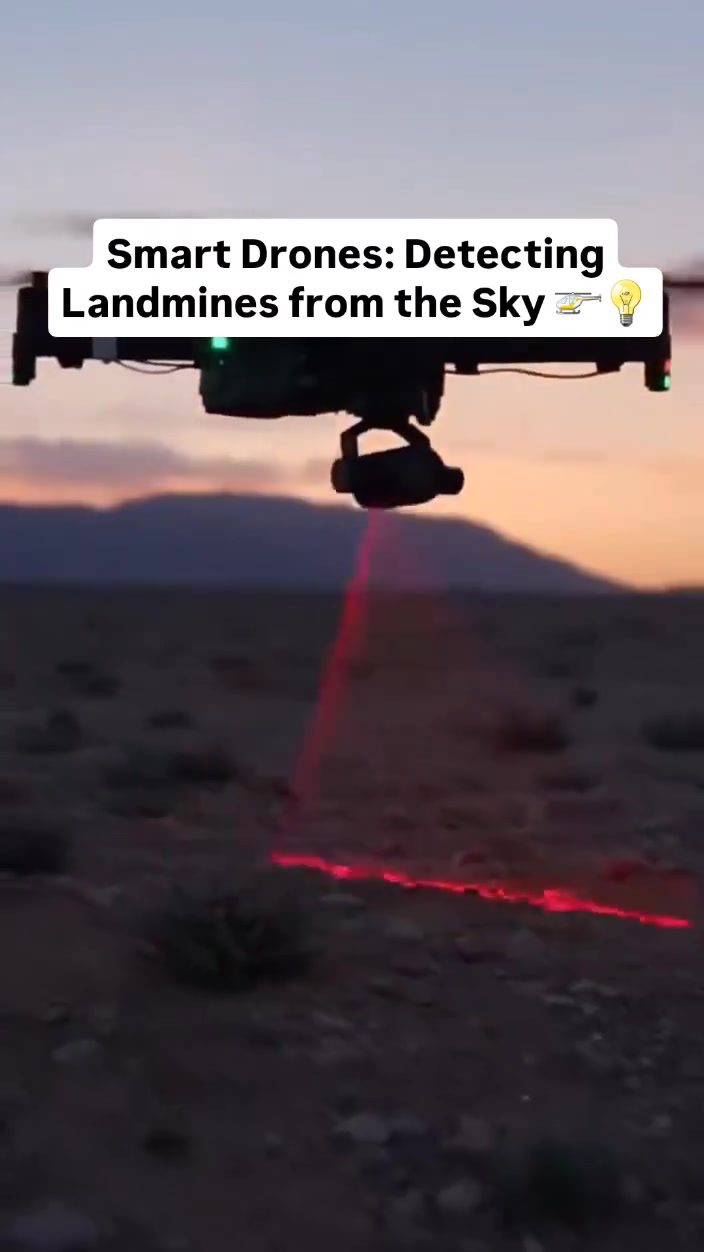
AI-powered drones, like those developed by SRLUSTECH, utilize a combination of advanced sensors and machine learning algorithms to detect hidden landmines. These drones are equipped with laser scanning technology that can emit beams to detect and analyze the landscape, identifying potential mine locations with high precision.
The process involves the drone hovering over a barren landscape, scanning the area with its sensors. The data collected is then analyzed using machine learning algorithms, which can identify patterns and anomalies indicative of hidden landmines. The results are displayed through graphical overlays, providing real-time information on potential mine locations and analysis results.
Advantages of Drone-Based Detection
Speed and Efficiency: AI-powered drones can cover large areas in a fraction of the time it would take human deminers. This rapid detection capability allows for quicker clearance of dangerous zones, reducing the time communities spend in displacement and uncertainty.
Safety: Drones minimize the risk to human life by eliminating the need for manual search methods. This is particularly crucial in areas heavily contaminated with landmines, where the risk of injury or death for deminers is high.
Accuracy: The combination of advanced sensors and machine learning algorithms ensures high accuracy in detecting landmines. This precision helps in thorough clearance operations, reducing the chances of missed mines that could endanger future inhabitants.
Real-World Applications
Drones like those from [SRLUSTECH] are already being deployed in conflict zones and areas affected by historical mining. For instance, a drone equipped with laser scanning technology can hover over a barren landscape and emit a laser scan. Graphical overlays then display potential mine locations and the analysis results, ultimately indicating that 5 mines were detected in a single scan. This rapid and accurate detection allows for targeted demining efforts, saving both time and resources.
Practical Tips
Choosing the Right Drone: When selecting a drone for landmine detection, it's essential to consider factors such as sensor capability, flight duration, and data analysis capacity. Ensure the drone is equipped with high-resolution sensors and machine learning software tailored for landmine detection.
Training and Maintenance: Regular training and maintenance of the drones and their equipment are crucial. This ensures that the technology remains effective and reliable in the field. Periodic updates to the machine learning algorithms can also enhance detection accuracy.
Regulatory Compliance: Adhere to local and international regulations regarding drone use. Ensure that the drone operations comply with safety standards and guidelines for landmine detection.
Collaboration with Local Authorities: Work closely with local authorities and humanitarian organizations to ensure that the drone operations are coordinated and aligned with broader demining efforts. This collaboration can enhance the overall effectiveness of the detection process.
Important Takeaways
Innovation Meets Humanitarian Needs: The integration of drones in landmine detection represents a significant advancement in humanitarian technology. By combining innovation with humanitarian needs, we can create safer and more livable environments for affected communities.
Protection of Deminers: The use of drones in landmine detection helps protect the lives of deminers, who often risk their lives to clear dangerous areas. This technology ensures that deminers can work in safer conditions, reducing the risk of injury or death.
Faster Clearance and Reintegration: The rapid and accurate detection capabilities of drones expedite the clearance process, allowing families to return to their normal lives sooner.
Conclusion
AI-powered drones are transforming the way we approach landmine detection, making it faster, safer, and more accurate. As technology continues to evolve, the potential for these drones to save lives and restore communities to normalcy grows. By embracing this innovation, we can make significant strides in creating a safer world for all.
Watch the Reel
Questions readers ask
How do AI-powered drones enhance landmine detection?
AI-powered drones use advanced sensors and machine learning algorithms to scan large areas quickly and accurately. They can detect hidden landmines that might be missed by traditional methods, making the detection process more efficient and safer for human operators.
What are the main advantages of using drones for landmine detection?
Drones can cover large areas faster than manual methods, reducing the time needed to clear hazardous lands. They also minimize the risk to human deminers by keeping them away from dangerous areas, and provide consistent and accurate detection using advanced sensors.
Can AI-powered drones work in various terrains and conditions?
Yes, the AI algorithms can be trained to adapt to different environments. Modern drone technology allows them to operate in various terrains and weather conditions, ensuring that landmine detection can be conducted in diverse landscapes effectively.
How does machine learning improve landmine detection with drones?
Machine learning enables drones to learn from data collected during missions, improving their detection capabilities over time. This continual learning process increases the accuracy of identifying landmines and reduces false positives, making the clearance process more efficient.
Are there any safety benefits for human workers when using AI-powered drones for landmine detection?
Yes, AI-powered drones significantly enhance safety by allowing human workers to remain at a safe distance while the drones conduct the initial detection. This reduces the risk of injury or fatality from accidental detonations, making the entire clearance process much safer.
What types of sensors are used in AI-powered drones for landmine detection?
AI-powered drones for landmine detection typically use a combination of sensors, including high-resolution cameras, LiDAR (Light Detection and Ranging), and ground-penetrating radar. These sensors work together to scan the ground and detect anomalies that may indicate the presence of hidden landmines.
How do AI drones contribute to making landmine-affected areas habitable again?
By expediting the landmine detection process, AI drones enable faster and more accurate clearance of hazardous areas. This quick and precise methodology allows communities to return to their lands more swiftly, which aids in rebuilding and revitalizing affected regions.
Related deep dives
Similar reads based on topic and creator.


Recent articles
Fresh deep dives from the latest Reels we unpacked.




Comments
Be the first to comment.