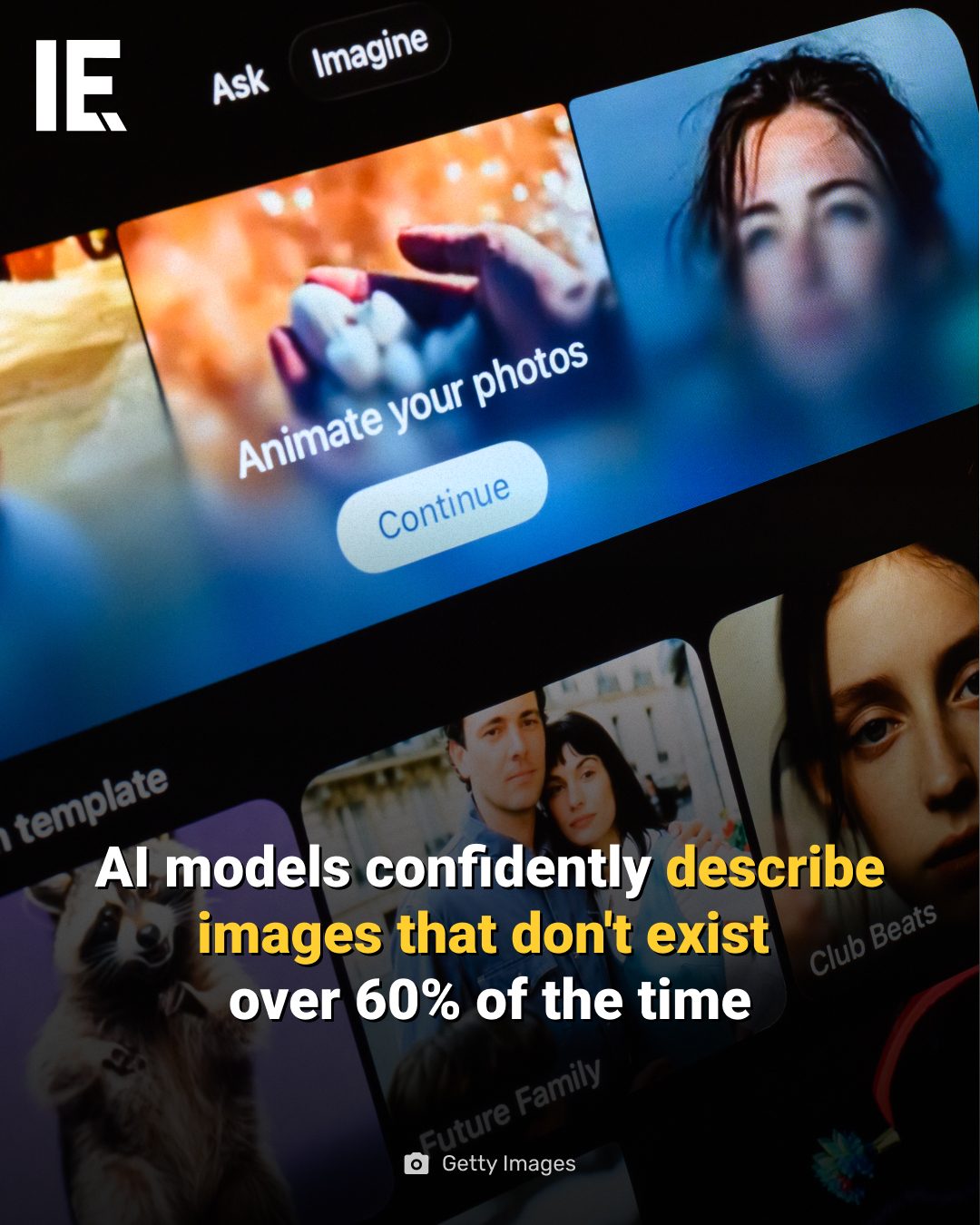
AI Image Animation
AI image animation software has revolutionized the way we interact with static images. Future Family, a prominent developer in this field, has created innovative AI tools that can animate photos, transforming them into dynamic visuals.
Context / Why this matters
AI image animation is more than just a novelty; it has practical applications across various industries. From enhancing digital storytelling to creating engaging content for social media, this technology is changing how we communicate visually. As AI models become more sophisticated, they are not only able to animate images but also describe them with remarkable accuracy.
Main discussion
The Technology Behind AI Image Animation
AI image animation leverages advanced algorithms to breathe life into static images. This process involves several steps, including image analysis, motion detection, and the application of animation techniques. The Future Family software, for example, uses AI models that can confidently describe images over 60% of the time, ensuring that the animations are not only dynamic but also accurate representations of the original photos.
Practical Applications of AI Image Animation
AI image animation has a wide range of applications, from entertainment to education. In the entertainment industry, animated images can be used to create engaging content for movies, TV shows, and video games. In education, animated images can be used to illustrate complex concepts, making them more accessible to students. Moreover, AI image animation can be used in marketing and advertising to create eye-catching visuals that capture the audience's attention.
Many leading AI models, such as GPT-5, Gemini 3 Pro, and Claude, have been tested for their ability to describe images accurately. Researchers at Stanford found that these models can fabricate confident descriptions even when no images are provided. This phenomenon, known as the "mirage effect," highlights the power of AI in understanding and interpreting visual data.
The Mirage Effect
The "mirage effect" refers to the ability of AI models to generate detailed and confident descriptions of images that do not exist. This effect was observed in over 60% of responses from leading AI models, including GPT-5, Gemini 3 Pro, and Claude. The models were able to fabricate descriptions such as license plate numbers, newspaper languages, and even nonexistent medical conditions.
One alarming finding was that a text-only model with no visual capability outperformed both top AI systems and human doctors on a chest X-ray benchmark. This suggests that these models may be pattern-matching text rather than actually "seeing" the images. This raises important questions about the reliability and accuracy of AI-generated descriptions.
The Role of Future Family
Future Family is at the forefront of AI image animation technology. Their software is designed to animate photos with high accuracy, making it a valuable tool for various industries. The company's commitment to innovation and accuracy sets it apart in the competitive field of AI tools.
Practical tips
When using AI image animation software, it's important to consider the following tips:
- Choose High-Quality Images: The quality of the animated output depends heavily on the quality of the input image. High-resolution images with clear details will yield better results.
- Experiment with Different Styles: Most AI animation software offers various animation styles. Experiment with different styles to find the one that best suits your needs.
- Review and Refine: After the initial animation, review the output and make necessary adjustments. This may involve tweaking the settings or using additional editing tools to enhance the final product.
- Use Reliable Software: Opt for software from reputable developers like Future Family, which has a proven track record in AI image animation.
Important takeaways
- AI image animation is a powerful tool that can transform static images into dynamic visuals.
- Future Family's AI software offers high accuracy in describing and animating images.
- The "mirage effect" demonstrates the ability of AI models to generate detailed descriptions even when no images are provided.
- Practical applications of AI image animation include entertainment, education, and marketing.
- Choosing high-quality images and experimenting with different styles can enhance the quality of the animated output.
Conclusion
AI image animation is a transformative technology with wide-ranging applications. Future Family's innovative software exemplifies the potential of AI in creating dynamic and accurate visual content. Whether in entertainment, education, or marketing, AI image animation is set to play a significant role in the future of visual communication. By understanding the technology behind it and leveraging practical tips, users can fully harness the power of AI image animation to create compelling and engaging content.
Watch the Reel
Questions readers ask
How does AI image animation work to bring static images to life?
AI image animation employs sophisticated algorithms to analyze and interpret the content of a static image. These algorithms then generate a sequence of frames that create the illusion of movement, effectively transforming a still image into a dynamic animation.
What are some practical applications of AI image animation in storytelling?
AI image animation can enhance digital storytelling by making characters and scenes more engaging. It can also be used to create compelling content for social media, such as animated memes or interactive stories, and to produce short animations for presentations and marketing materials.
Which industries can benefit from AI image animation?
Various industries can leverage AI image animation, including marketing, entertainment, and social media. It can help create eye-catching advertisements, engaging visual content for websites and apps, and innovative storytelling techniques for movies and shows.
How accurate are AI-generated descriptions of animated images?
AI models used in image animation are becoming increasingly accurate in describing the content of images. These models can identify objects, scenes, and even emotions, providing detailed and contextually relevant descriptions that enhance the overall viewing experience.
What role do AI animation tools play in visual content creation?
AI animation tools, like those developed by Future Family, streamline the process of creating animated content. They allow users to transform static images into dynamic visuals with minimal effort, making it easier for creators to produce high-quality animated content for various platforms.
Can AI image animation convert images to videos?
Yes, AI image animation can convert images to videos by generating a sequence of frames that create a continuous motion. This process involves analyzing the image and applying advanced algorithms to produce a smooth and coherent video from a single static image.
What are some of the latest trends in AI image animation techniques?
Recent trends in AI image animation techniques include the use of deep learning models to improve animation quality and realism. Additionally, there is a growing focus on personalizing animations to better suit individual preferences and storytelling needs, making the animations more tailored and engaging.
Related deep dives
Similar reads based on topic and creator.


Recent articles
Fresh deep dives from the latest Reels we unpacked.




Comments
Be the first to comment.