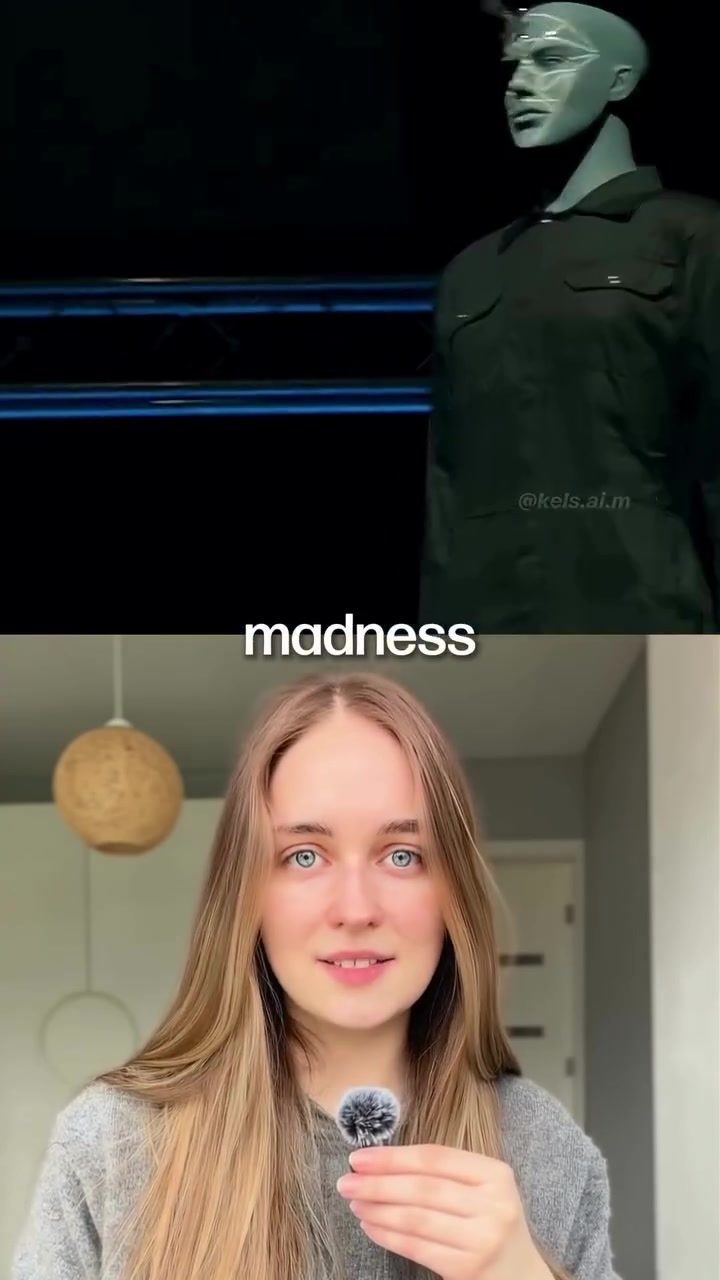
AI-Powered Autonomous Weapons: The Reality of Face-Recognition Microdrones
The 2017 nonprofit film Slaughterbots, created by scientists and AI researchers, issued a stark warning about the future of AI-powered autonomous weapons. Although many initially dismissed it as ordinary science fiction, the short film presented a chilling vision of what could arise from the advancement of AI-powered autonomous weapons, particularly face-recognition microdrones.
Context / Why this Matters
The debate over whether algorithms should make life-and-death decisions is no longer a distant hypothetical. As technology advances, the potential for autonomous drones and other AI-driven systems to be used as lethal weapons becomes increasingly urgent. Understanding the capabilities and implications of these technologies is crucial for navigating the ethical, legal, and practical challenges they present.
Main Discussion
The Evolution of Autonomous Weapons
The concept of autonomous weapons is not new, but the integration of AI and face-recognition technology has taken it to a whole new level. These microdrones, often resembling small, unmanned aircraft, are equipped with advanced sensors and cameras that can recognize faces with high precision. This capability, similar to the face recognition found in smartphones and social media apps, allows these drones to identify and target individuals with surgical precision.
Capabilities and Functionality
Inside these microdrones, a mere 3 grams of shaped explosive can cause significant damage. When triggered, the explosion is designed to penetrate the skull and destroy its contents, making it a highly lethal weapon. This precision is far beyond what traditional weapons can achieve, as humans often get emotional, disobey orders, or aim too high. Autonomous drones, on the other hand, operate based on predefined algorithms that ensure accuracy and efficiency.
The Ethical Dilemma
One of the most terrifying aspects of AI-powered autonomous weapons is the potential for algorithms to make life-and-death decisions without human intervention. This raises ethical questions about accountability, responsibility, and the potential for misuse. The idea that a $25 million order could buy enough drones to destroy half a city, obliterating the 'bad half,' underscores the scale of destruction these weapons can cause. Nuclear weapons may soon become obsolete as AI-powered drones offer a more targeted and potentially less risky alternative.
The Future of Warfare
The development of these autonomous weapons is driven by the desire to think big and push the boundaries of what is possible. As technology continues to advance, the moment when humans no longer make life-and-death decisions but rely on algorithms to do so, is approaching rapidly. This shift has profound implications for warfare, security, and the nature of human conflict.
Practical Tips
If you're concerned about the impact of AI-powered autonomous weapons, there are several steps you can take:
- Stay Informed: Keep up-to-date with the latest developments in AI and autonomous weaponry. Understanding the capabilities and limitations of these technologies can help you make informed decisions.
- Engage in Dialogue: Participate in discussions and debates about the ethical and practical implications of autonomous weapons. Share your concerns and ideas with others to foster a broader understanding of the issues.
- Advocate for Regulation: Encourage policymakers to develop regulations and guidelines for the responsible use of AI in weaponry. This can help mitigate the risks and ensure that these technologies are used ethically.
- Support Research: Back initiatives that focus on the safe and ethical development of AI-powered technologies. This can include supporting organizations that advocate for responsible AI use and funding research that explores the ethical implications of autonomous weapons.
Important Takeaways
- AI-powered autonomous weapons, particularly face-recognition microdrones, are becoming a reality.
- These drones are equipped with advanced sensors and explosives, making them highly lethal and accurate.
- The ethical implications of algorithms making life-and-death decisions are profound and urgent.
- The future of warfare is being reshaped by these technologies, requiring us to think critically about their use and regulation.
Conclusion
The rise of AI-powered autonomous weapons, as illustrated by the 2017 film Slaughterbots, is a pressing issue that demands attention. As technology continues to advance, the potential for these weapons to be used for both benevolent and malevolent purposes becomes increasingly apparent. It is essential to engage in open dialogue, advocate for regulation, and support research to ensure that these technologies are used responsibly and ethically. The future of warfare and security hinges on our ability to navigate these challenges thoughtfully and critically.
Watch the Reel
Questions readers ask
What are AI drone assassins and how do they work?
AI drone assassins are autonomous weapons that use artificial intelligence and face recognition technology to target and eliminate specific individuals. They operate by identifying and locking onto a person's face, then executing a lethal action. These weapons are equipped with advanced sensors, cameras, and AI algorithms that enable them to navigate environments and make autonomous decisions.
What is the significance of the film 'Slaughterbots' in the context of AI weapons?
'Slaughterbots' is a 2017 short film created by scientists and AI researchers to raise awareness about the potential dangers of AI-powered autonomous weapons, particularly face-recognition microdrones. The film serves as a cautionary tale, highlighting the urgent ethical, legal, and practical challenges that could arise from the development and deployment of such weapons.
What are some of the ethical challenges posed by AI-powered autonomous weapons?
AI-powered autonomous weapons present several ethical challenges, including the delegation of life-and-death decisions to machines, the potential for misuse or abuse, and the lack of accountability when things go wrong. Additionally, there are concerns about privacy, consent, and the dehumanizing effects of targeted assassinations carried out by machines.
What legal implications might arise from the use of AI drone assassins?
The use of AI drone assassins raises numerous legal implications, such as compliance with international humanitarian law, the laws of armed conflict, and domestic legislation. It also raises questions about jurisdiction, command responsibility, and the potential for these weapons to be used in extrajudicial killings. Additionally, the deployment of such weapons may violate human rights, including the right to life and the right to a fair trial.
How might AI-powered drones be used in the future?
AI-powered drones have the potential to be used in various ways in the future, including as weapons in military and law enforcement operations, as surveillance tools, or as delivery systems for other types of payloads. However, the use of these weapons is not limited to military contexts; they could also be deployed for political assassinations, targeted killings, or other nefarious purposes, which is a major concern for researchers and policymakers.
Related deep dives
Similar reads based on topic and creator.
Recent articles
Fresh deep dives from the latest Reels we unpacked.

Comments
Be the first to comment.