The Future of Advertising: In-Content Personalization with AI
Imagine a world where ad breaks during movies are a thing of the past. Imagine watching a film where the products you see on screen are tailored just for you, based on your location, behavior, and even your purchase history. This isn't a distant dream; it's already being tested by a prominent tech company.
Why This Matters
The traditional model of advertising, where ads interrupt content, has long been a point of frustration for viewers. It disrupts the viewing experience, and while it's been a staple for decades, there's no denying that it's a less-than-ideal experience for everyone involved. The introduction of AI-powered in-content advertising, however, could revolutionize the way ads are delivered, making them more relevant to viewers and more effective for advertisers.
Main Discussion
The Role of AI in Advertising
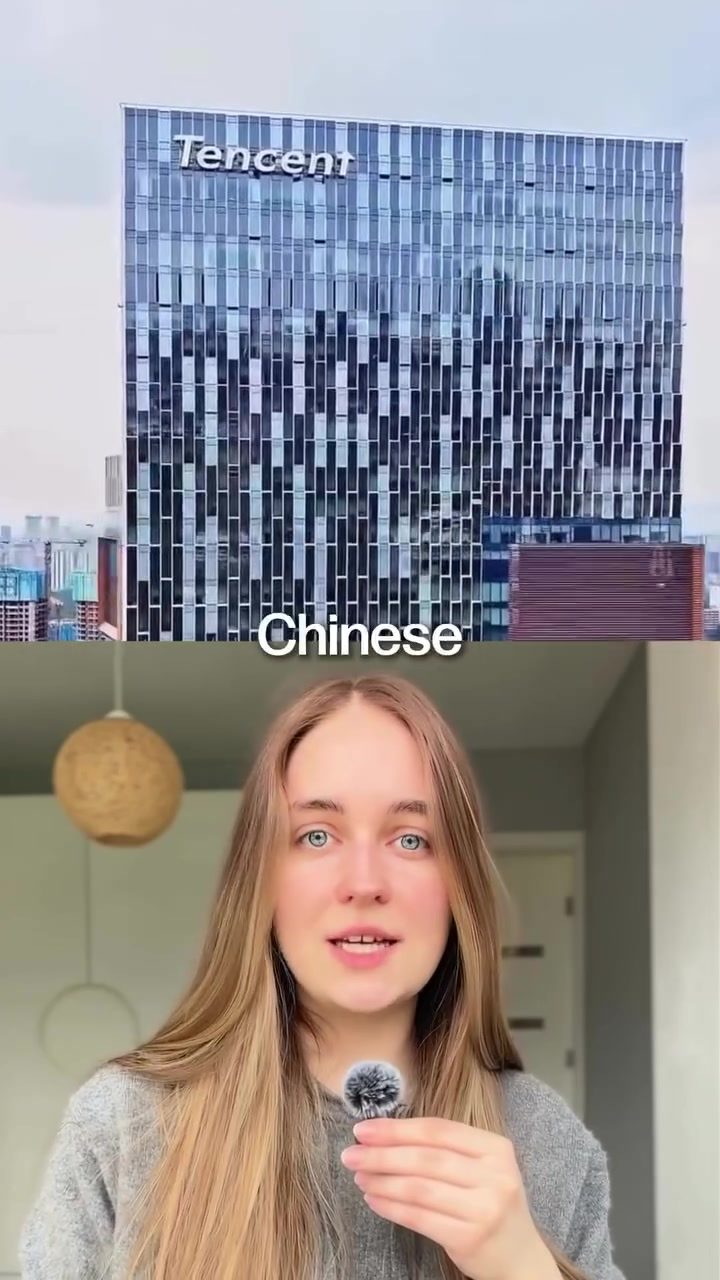
AI is being used by companies like Tencent to transform the advertising landscape. Tencent, known for its messaging app WeChat, is utilizing AI and computer vision to embed ads directly into movie scenes. This means instead of pausing the movie for an ad, the ad becomes part of the movie itself. For example, if an actor in a film is holding a coffee cup, AI can recognize this object and replace it with a brand that you would recognize, such as Starbucks or Blutakaya in India.
Personalized Advertising
The beauty of this technology is that it allows for unprecedented levels of personalization. Two people watching the same scene could see two completely different brands, depending on their location, browsing history, and purchase behavior. This level of personalization means that ads are more relevant to the viewer, increasing the likelihood that they will engage with the brand.
Real-Time Implementation
Tencent is already testing this technology with millions of users through an AI partner called Myriad. The early results are promising, with no interruptions, no skips, and just pure storytelling, powered by invisible AI advertising. If this technology scales, the old ad model could die, making way for a more integrated and seamless advertising experience.
The Impact on Studios and Viewers
For studios, this means more money, as ads are seamlessly integrated into the content. For viewers, it means staying immersed in the story without the annoyance of traditional ad breaks. Ads blend in with the content, making the viewing experience smoother and more enjoyable.
The Future of In-Content Advertising
The future of advertising isn't before the movie; it's inside it. This shift could transform the way content is consumed and how ads are delivered. Traditional ad breaks could become a thing of the past, replaced by personalized product placements built directly into the story.
Practical Tips
For Advertisers
If you’re an advertiser, consider the potential of in-content advertising. Think about how your brand can be seamlessly integrated into content that your target audience is already consuming. Personalize the experience based on the viewer's data to make the ad more relevant and impactful. Partner with tech companies that have the AI capabilities to make this a reality.
For Viewers
If you’re a viewer, be prepared for a more personalized and immersive viewing experience. Instead of pausing or skipping ads, you might find that the ads are part of the content itself, tailored just for you. Embrace this new way of consuming content and enjoy a more seamless viewing experience.
Important Takeaways
- AI is revolutionizing the way ads are delivered, making them more relevant and integrated into content.
- Personalized in-content advertising can transform the viewing experience, making it more enjoyable for viewers and more effective for advertisers.
- Studios could benefit from this new ad model, as it allows for seamless integration of ads into content.
- Traditional ad breaks could become a thing of the past, replaced by personalized product placements.
Conclusion
The future of advertising is here, and it’s inside the content you’re already consuming. With AI and computer vision, companies like Tencent are making it possible to deliver personalized, non-disruptive ads that enhance the viewing experience. This shift could revolutionize the advertising landscape, making it more effective and enjoyable for everyone involved.
Watch the Reel
Questions readers ask
What is AI-driven in-content advertising?
AI-driven in-content advertising is a method of delivering personalized ads within the content itself, rather than as interruptions. It uses artificial intelligence to dynamically replace generic objects with tailored products that align with the viewer's preferences, location, and habits.
How does Tencent's WeChat integrate personalized ads into movies?
Tencent's WeChat app uses AI to embed tailored ads directly into movie scenes. This involves replacing generic objects with familiar brands based on the viewer's location, browsing history, and purchase behavior, making the ads more relevant and engaging.
What are the benefits of in-content personalization for viewers?
In-content personalization enhances the viewing experience by removing traditional ad breaks, making the ads less intrusive. Viewers are more likely to engage with content that is tailored to their interests and habits. This type of advertising also offers a more seamless integration of ads into the content, enhancing overall enjoyment.
How does location-based advertising work in this context?
Location-based advertising in this context uses the viewer's geographic location to provide more relevant ads. For example, if a viewer is in a specific city, they might see ads for local businesses or products that are available in their area, making the ads more practical and useful.
What is the significance of AI in the future of advertising?
AI is pivotal in the future of advertising because it enables the creation of highly personalized and relevant ads. By analyzing vast amounts of viewer data, AI can dynamically adjust ad content to better match individual preferences, ultimately improving ad effectiveness and viewer satisfaction.
What makes Tencent's AI ad technology unique compared to traditional advertising methods?
Tencent's AI ad technology is unique because it seamlessly integrates ads into the content itself, rather than interrupting it. This approach leverages AI to analyze viewer data and deliver personalized ads in real-time, providing a more engaging and less disruptive experience compared to traditional ad breaks.
How does AI-powered personalization impact the advertising industry?
AI-powered personalization in advertising shifts the focus from mass marketing to individualized experiences. By tailoring ads to each viewer, AI helps advertisers reach their target audience more effectively, potentially increasing engagement and conversion rates. This method also reduces viewer frustration by making ads more relevant to their interests and behaviors.
Related deep dives
Similar reads based on topic and creator.




Recent articles
Fresh deep dives from the latest Reels we unpacked.


Comments
Be the first to comment.