Ancient Scrolls: Unlocking Hidden Wisdom with AI
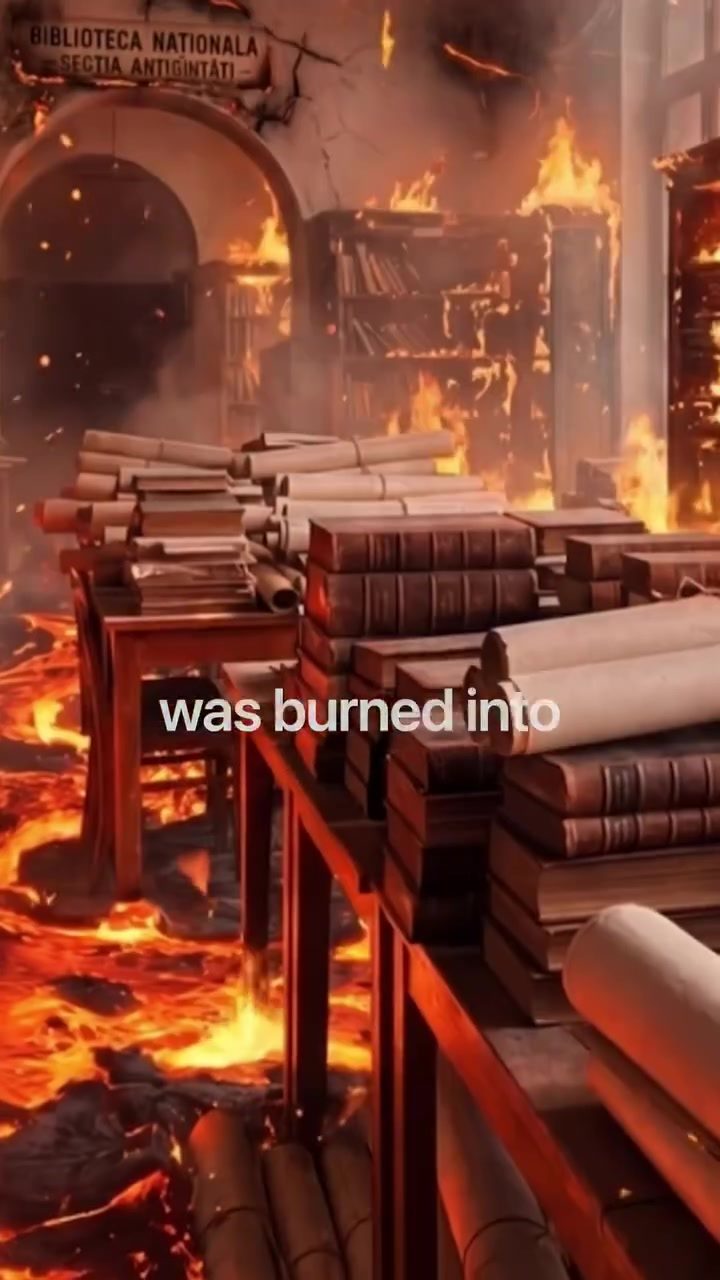
The ancient scrolls buried by the eruption of Mount Vesuvius in 79 AD have long been a subject of fascination for historians and archaeologists. These scrolls, which were part of a Roman library, were turned into brittle charcoal by the intense heat of the volcano, rendering them incredibly fragile and nearly impossible to unroll without destruction. For centuries, the words contained within these scrolls remained sealed and out of reach. However, recent advancements in AI technology have changed the game, allowing researchers to read these scrolls without ever unrolling them.
Context: The Herculaneum Scrolls
The scrolls in question are known as the Herculaneum Scrolls, named after the ancient city of Herculaneum, which was also buried under ash by the eruption of Mount Vesuvius. The library, which was part of a villa, contained hundreds of scrolls that were preserved by the ash but damaged by the heat. The scrolls were discovered in the 18th century, but their fragility made it impossible to read them without causing further damage. This is where modern technology, particularly AI, has played a pivotal role.
The Process: From Charcoal to Digital Text
The breakthrough came when researchers used high-powered X-rays to scan the scrolls. These scans revealed faint traces of ancient ink that were invisible to the human eye. The next step involved training AI to detect and interpret these traces. The AI was able to virtually unroll the scroll on a screen, revealing around 20 columns of writing across more than a meter of charred paper. This process allowed scholars to read and piece together the text without ever physically touching the fragile scrolls.
The AI's ability to detect the faint traces of ink is a testament to the advancements in machine learning and computer vision. The process involves complex algorithms that can identify patterns and shapes that are indistinguishable to the human eye. This technology has not only allowed researchers to read the scrolls but also to preserve them for future generations.
The Discovery: A Stoic Philosophy Text
The first scroll that was successfully read turned out to be a work of philosophy. It was a Stoic text about reason, virtue, and how to live a good life, possibly written by an ancient Greek philosopher. This discovery is significant for several reasons. Firstly, it sheds light on the philosophical thoughts of the ancient world, providing insights into the mindset and values of people who lived over 2,000 years ago. Secondly, it demonstrates the power of AI in unlocking hidden knowledge from historical artifacts.
The scroll, which had been sealed in the dark for centuries, suddenly became readable again thanks to this cutting-edge technology. This is just one of the many scrolls that are still sealed in the same library. With this method proven effective, the focus has shifted from whether we can read the scrolls to what they say. There are hundreds more scrolls waiting to be virtually unrolled, each potentially containing valuable information about ancient history.
Practical Tips for Archaeologists and Historians
For archaeologists and historians, the use of AI in deciphering ancient texts opens up new avenues of research. Here are some practical tips for leveraging this technology:
- Collaboration with AI Experts: Working with AI experts can help in developing algorithms tailored to specific types of ancient artifacts.
- High-Resolution Scanning: Investing in high-resolution scanning technologies can capture minute details that are crucial for AI analysis.
- Preservation Techniques: Alongside AI, traditional preservation techniques should be employed to ensure the physical integrity of the artifacts.
- Interdisciplinary Approach: Combining insights from archaeology, history, and computer science can provide a holistic understanding of the ancient texts.
Important Takeaways
The story of the Herculaneum Scrolls highlights several important points about the intersection of technology and history:
- Preservation and Access: AI allows for the preservation of fragile artifacts while making their contents accessible.
- Interpreting Faint Traces: The ability of AI to detect and interpret faint ink traces showcases its potential in fields beyond archaeology, such as forensics and art restoration.
- Future Potential: As AI technology continues to evolve, its applications in archaeology and historical research are likely to expand, uncovering more of history's hidden marvels.
Conclusion
The use of AI in reading the Herculaneum Scrolls is a remarkable achievement that brings lost human voices back from the dead, one scroll at a time. This technology is not just about taking jobs or faking things; it is about bringing back the wisdom of the past, preserving it for the future, and unlocking the secrets of ancient civilizations. As more scrolls are read, we can expect to gain deeper insights into the lives, thoughts, and philosophies of people who lived thousands of years ago. The possibilities are endless, and the journey of discovery is just beginning.
Watch the Reel
Questions readers ask
How does AI technology help in deciphering ancient scrolls from Herculaneum?
AI technology utilizes advanced algorithms to analyze the internal structure of the scrolls without physically unrolling them. By processing high-resolution images, AI can interpret the text hidden within the brittle charcoal remnants, making it possible to reveal the ancient texts without causing any damage.
Why can't the Herculaneum scrolls be unrolled manually?
The Herculaneum scrolls are too fragile to unroll due to the intense heat from Mount Vesuvius, which turned the papyrus into brittle charcoal. Any attempt to unroll them manually would likely cause them to disintegrate, destroying the ancient texts forever.
What are the Herculaneum scrolls, and why are they significant?
The Herculaneum scrolls are ancient texts preserved by the ash from Mount Vesuvius. They are part of a Roman library and are significant because they offer a unique glimpse into the literary and intellectual culture of the ancient world, providing insights into philosophy, literature, and history from nearly 2,000 years ago.
How were the Herculaneum scrolls preserved by Mount Vesuvius?
When Mount Vesuvius erupted in 79 AD, it buried the city of Herculaneum and its library under a thick layer of ash. This ash, combined with the lack of oxygen, helped preserve the scrolls by turning them into brittle charcoal, thereby protecting the text from decay but also making them incredibly fragile.
What kind of texts might be revealed by AI technology from the Herculaneum scrolls?
The Herculaneum scrolls are believed to contain a wide range of texts, including philosophical treatises, literary works, and historical documents. AI technology has the potential to reveal these texts, providing new information about the ancient world and shedding light on previously unknown or lost works.
Can AI technology be applied to other ancient texts preserved in similar conditions?
Yes, the same AI technology used to decipher the Herculaneum scrolls can potentially be applied to other ancient texts that have been preserved in similar fragile conditions. This could include other scrolls or artifacts that have been damaged by environmental factors but still contain readable text.
What steps are involved in using AI to read ancient scrolls without unrolling them?
The process typically involves capturing high-resolution images of the scrolls using advanced imaging techniques. These images are then analyzed by AI algorithms, which can detect and interpret the text patterns within the scrolls. This non-invasive approach allows for the deciphering of ancient texts without compromising the physical integrity of the fragile artifacts.
Related deep dives
Similar reads based on topic and creator.



Recent articles
Fresh deep dives from the latest Reels we unpacked.




Comments
Be the first to comment.