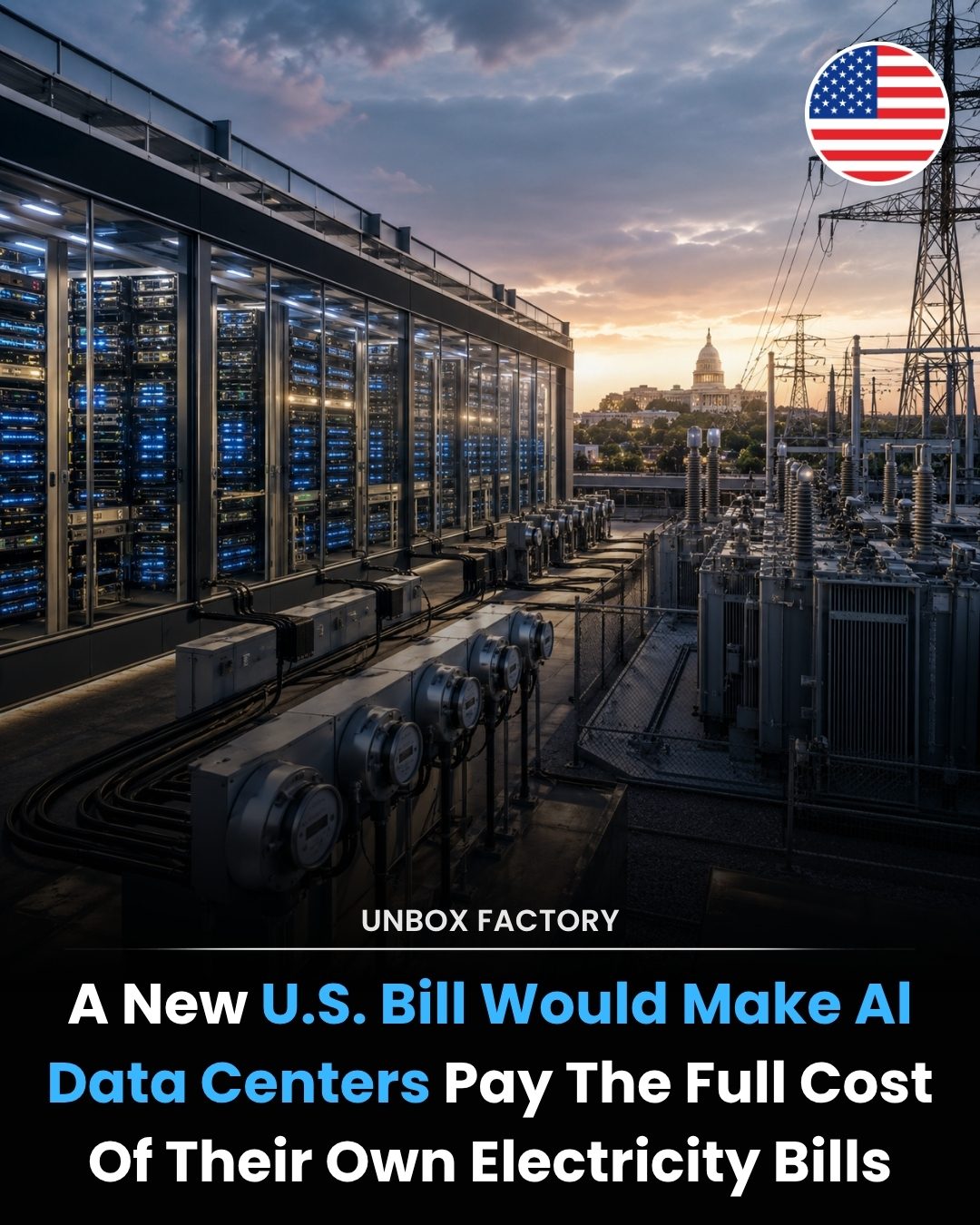
Data Center Electricity Bill
Data centers are at the heart of modern technology, enabling the storage, processing, and dissemination of vast amounts of data. However, their energy consumption is a growing concern, driving a new U.S. bill that proposes significant changes to how these facilities are powered.
Why This Matters
The proposed legislation addresses the escalating power demands of AI data centers, which are expected to consume over 1 gigawatt of electricity in some locations. This is enough energy to power 700,000 to 1 million homes, highlighting the substantial infrastructure required to support these operations. Currently, the costs of this infrastructure are often shifted onto residential customers through higher utility rates.
By requiring AI data centers to pay the full cost of their electricity infrastructure, the bill aims to protect households from subsidizing the expansion of these facilities. This shift would ensure that utilities can recover the billions of dollars needed for new transmission lines, substations, and grid upgrades, thereby improving long-term grid reliability.
Main Discussion
The Impact of AI on Energy Demand
AI data centers are notorious for their high energy consumption. The rapid growth of AI technologies has led to a surge in demand for computational power, which in turn requires more electricity. This increased demand places a significant strain on the existing power grid, necessitating costly upgrades and expansions.
Current Cost Allocation
Currently, the costs of energizing data centers are often distributed among all utility customers, including residential users. This means that households end up paying part of the bill for powering data centers, even if they do not directly benefit from the services these centers provide. This cost-sharing model has become a contentious issue, with lawmakers and energy experts calling for a more equitable distribution of expenses.
The New Proposal
The proposed U.S. bill seeks to address this imbalance by mandating that AI data centers cover the full cost of their electricity infrastructure. This would include the expenses for new transmission lines, substations, and grid upgrades necessary to support their growing power demands. The goal is to ensure that the costs are borne by those who directly benefit from the data centers' operations, rather than being spread across all utility customers.
Economic and Environmental Implications
The economic implications of this proposal are significant. Utilities would have a more stable and predictable revenue stream, making it easier to plan and implement necessary grid upgrades. Additionally, this could lead to more efficient use of resources, as data centers would have a stronger incentive to optimize their energy consumption.
Environmentally, the bill could encourage data centers to adopt more sustainable practices. By being responsible for the full cost of their energy use, data centers might invest more in renewable energy sources and energy-efficient technologies. This could help reduce their carbon footprint and contribute to broader environmental goals.
Long-Term Grid Reliability
One of the key concerns driving this legislation is the long-term reliability of the power grid. As AI data centers expand, the demand for electricity is expected to rise significantly. Without adequate infrastructure, the grid could become overloaded, leading to power outages and other disruptions. By ensuring that the costs of grid upgrades are covered, the bill aims to prevent these issues and maintain a stable power supply.
Practical Tips
For businesses operating large-scale data centers, the proposed bill presents both challenges and opportunities. Here are some practical steps to consider:
Assess Current Energy Consumption
Understand the current energy usage patterns and identify areas where efficiency can be improved. This could involve adopting more energy-efficient hardware, optimizing cooling systems, or implementing renewable energy solutions.
Explore Renewable Energy Options
Investing in renewable energy sources such as solar or wind power can help reduce your energy costs and carbon footprint. This not only aligns with the goals of the proposed legislation but also positions your business as environmentally responsible.
Engage with Utilities and Lawmakers
Stay informed about the progress of the proposed bill and engage with utility providers and lawmakers. Participate in public consultations and advocate for policies that support your business while promoting sustainable practices.
Plan for Future Infrastructure
Work with infrastructure providers to plan for future energy needs. This could involve collaborating on new transmission lines, substations, and grid upgrades that will support your operations and benefit the broader community.
Important Takeaways
The proposed bill represents a significant shift in how the costs of powering AI data centers are managed. By requiring these facilities to pay the full cost of their electricity infrastructure, the legislation aims to protect households from high utility rates and ensure the long-term reliability of the power grid. This change could have far-reaching economic and environmental implications, encouraging more sustainable practices and ensuring a stable energy supply.
Conclusion
The proposed U.S. bill to make AI data centers pay the full cost of their electricity infrastructure is a pivotal moment in the ongoing debate over energy consumption and grid reliability. As the demand for AI technologies continues to grow, so too will the need for sustainable and efficient energy solutions. By addressing the cost allocation issue, this bill takes a crucial step toward a more equitable and reliable power system.
Watch the Reel
Questions readers ask
What is the main objective of the new U.S. bill regarding AI data centers?
The primary goal of the new U.S. bill is to ensure that AI data centers cover the full cost of their electricity infrastructure. This aims to prevent residential customers from indirectly subsidizing the energy demands of these facilities through higher utility rates.
How much electricity are AI data centers expected to consume?
AI data centers are projected to consume over 1 gigawatt of electricity in some locations. This amount of power is significant, as it is roughly equivalent to the energy needed to supply 700,000 to 1 million homes.
What infrastructure costs are currently shifted onto residential customers?
Currently, the costs associated with the substantial electricity infrastructure required to support AI data centers are often passed on to residential customers. This results in higher utility rates for households, effectively subsidizing the energy demands of these large data centers.
How will the proposed legislation impact AI data centers?
The proposed legislation will require AI data centers to pay the full cost of their electricity infrastructure, which should make them more conscious of their power usage and costs. This could also influence the design, efficiency, and location of future data centers.
Why are AI data centers crucial for modern technology?
AI data centers are vital for modern technology as they enable the storage, processing, and dissemination of vast amounts of data. This infrastructure supports the advancements and operations of AI technologies that are integral to various industries and daily life.
What are the potential consequences of not addressing the energy demands of AI data centers?
If the energy demands of AI data centers are not properly addressed, it could lead to increased strain on the grid infrastructure, higher electricity costs for residential customers, and potential environmental impacts due to the large amounts of power consumed.
How might AI data centers respond to the proposed changes in electricity costs?
AI data centers may respond by investing in more energy-efficient technologies, optimizing their power usage, or exploring alternative energy sources. They might also seek to negotiate better power supply agreements or locate their facilities in areas with lower electricity costs.
Related deep dives
Similar reads based on topic and creator.




Recent articles
Fresh deep dives from the latest Reels we unpacked.



Comments
Be the first to comment.