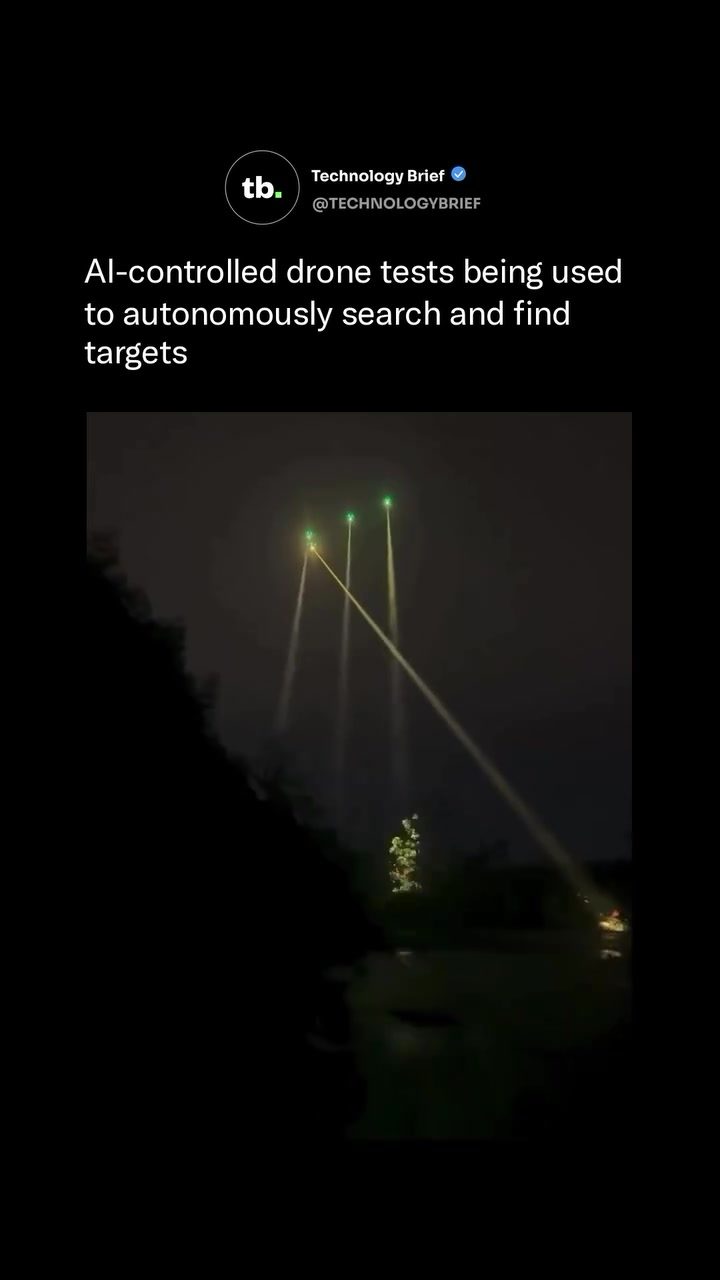
AI-Controlled Drones: The Future of Battlefield Scouting
AI-controlled drones are revolutionizing the battlefield, transitioning from simple surveillance tools to autonomous scouts. These advanced systems can scan terrain, process live imagery, identify potential targets, and relay crucial information to command networks, all while requiring minimal human intervention. This shift is transforming the way military operations are conducted, with significant implications for both strategy and safety.
Why This Matters
Traditional drones have long been used for surveillance, but the advent of AI-controlled drones introduces a new level of autonomy and efficiency. These drones can operate independently, making real-time decisions and coordinating with other drones to gather and process data more effectively than ever before. This capability is crucial in modern warfare, where speed and accuracy can mean the difference between success and failure.
Autonomous Operation and Real-Time Data Processing
Terrain Scanning and Imaging
AI-controlled drones are equipped with advanced sensors and cameras that allow them to scan vast areas quickly and efficiently. These drones can process live imagery in real time, identifying key features and potential targets with high accuracy. The ability to scan terrain and process data autonomously reduces the need for constant human oversight, freeing up valuable resources for other critical tasks.
Target Identification and Data Sharing
One of the most significant advancements in AI-controlled drones is their ability to identify potential targets and share this information with command networks. Instead of relying on a single operator to manually watch video feeds and make decisions, these drones can autonomously search for, classify, and prioritize targets. This data is then fed back to the command network, allowing for more informed and timely decision-making.
Coordinated Drone Teams
Sharing Data and Coordination
The future of AI-controlled drones involves teams of drones working together, sharing data, and coordinating their roles. This collaborative approach allows for a more comprehensive and efficient search and target identification process. By working in teams, drones can cover larger areas more quickly and provide a more detailed analysis of the terrain and potential threats. This coordinated effort ensures that no critical information is missed, enhancing the overall effectiveness of military operations.
Speed and Automation
The speed and automation provided by AI-controlled drones are game-changers on the battlefield. These drones can operate at high speeds, covering large distances in a short amount of time. The automated processes reduce the risk of human error and ensure that critical information is relayed to the command network without delay. This speed and efficiency are particularly valuable in dynamic and high-pressure situations, where split-second decisions can have significant consequences.
Implications for Military Strategy
Reducing Risk for Soldiers
One of the primary benefits of AI-controlled drones is their ability to reduce the risk to soldiers. By handling many of the reconnaissance and surveillance tasks autonomously, these drones can keep soldiers out of harm's way. This reduction in risk allows for more strategic and deliberate use of human resources, enhancing overall mission success.
Enhancing Targeting Precision
The precision provided by AI-controlled drones is another significant advantage. These drones can identify and prioritize targets with a high degree of accuracy, ensuring that military operations are targeted and effective. This precision reduces the likelihood of collateral damage and enhances the overall success of missions.
Practical Tips for Military Personnel
Training and Adaptation
As AI-controlled drones become more prevalent, military personnel will need to adapt to new roles and responsibilities. Training programs should focus on teaching personnel how to work effectively with these autonomous systems, ensuring that they can leverage the full capabilities of the technology.
Maintenance and Upkeep
Regular maintenance and updates are crucial for keeping AI-controlled drones in optimal condition. Personnel should be trained in the necessary maintenance procedures and equipped with the tools and knowledge needed to troubleshoot and repair these advanced systems.
Important Takeaways
The transition to AI-controlled drones represents a significant shift in military strategy and operations. These drones offer a range of benefits, from reduced risk for soldiers to enhanced targeting precision. By embracing this technology, military forces can stay ahead of the curve and ensure that they are prepared for the challenges of modern warfare.
Conclusion
AI-controlled drones are transforming the battlefield, offering new levels of autonomy, speed, and precision. As these systems become more sophisticated and integrated into military operations, they will play an increasingly crucial role in shaping the future of warfare. By understanding and leveraging the capabilities of these advanced drones, military forces can enhance their effectiveness and adapt to the evolving demands of modern conflict.
Watch the Reel
Questions readers ask
How do AI-controlled drones enhance battlefield reconnaissance?
AI-controlled drones enhance battlefield reconnaissance by autonomously scanning terrain, identifying potential targets, and relaying critical information in real-time. This allows for more efficient and accurate data collection, reducing the need for human intervention in dangerous areas. Command networks can make informed decisions more quickly, improving overall strategy and safety.
What makes AI-controlled drones different from traditional drones in military applications?
AI-controlled drones differ from traditional drones by operating autonomously and making real-time decisions. Traditional drones often rely on human pilots for control and interpretation of data. In contrast, AI-controlled drones can process live imagery, identify targets, and coordinate with other drones to gather and analyze information independently.
How does the use of AI in drones improve military safety?
AI-controlled drones improve military safety by reducing the need for soldiers to enter dangerous or hazardous areas for reconnaissance. These drones can conduct surveillance and gather information autonomously, minimizing the risk to human life. This allows troops to operate from safer locations, relying on AI-controlled drones to provide live, accurate data.
What are the key applications of AI-controlled drones in warfare?
The key applications of AI-controlled drones in warfare include autonomous terrain scanning, target identification, and real-time data relay. These capabilities enable more effective battle planning, precise targeting, and strategic decision-making. AI-controlled drones can also coordinate with other military assets, enhancing overall operational efficiency and effectiveness.
What types of information can AI-controlled drones relay to command networks?
AI-controlled drones can relay a variety of critical information to command networks, including real-time video feeds, processed imagery, and target identification data. This information is used for strategic planning, identifying potential threats, and coordinating military operations. By providing accurate and timely data, AI-controlled drones help command centers make well-informed decisions.
Recent articles
Fresh deep dives from the latest Reels we unpacked.




Comments
Be the first to comment.